How To Fix Rubbery Dry Scrambled Eggs? Easy Fix Guide
Rubbery dry scrambled eggs are the sad result of a pan that was too hot and eggs that stayed in it too long. Eggs set fast, and a minute of extra heat turns soft curds into bounceable rubber. The fix is gentle heat and an early exit.
You will learn the low heat method, how much butter and dairy to use, and when to pull the pan so the eggs finish off the heat. The fixes work for one egg or a dozen.
Once the method clicks, every plate will be soft and creamy, and the next guide on potato curry shows how to keep potatoes firm in curry.
Why Eggs Turn Rubbery

Eggs turn rubbery when their proteins tighten and squeeze out moisture. High heat tightens them fast, and every extra second in a hot pan makes them drier. Egg proteins tighten as they heat, and once they squeeze out moisture the curds turn tough.
Salt added too early can also tighten the proteins, and a thin pan creates hot spots that overcook parts of the eggs. Gentle, even heat is the whole secret. Low heat keeps that tightening slow and gentle, so the curds stay soft. A heavy pan spreads the heat evenly.
Low Heat Gentle Cooking
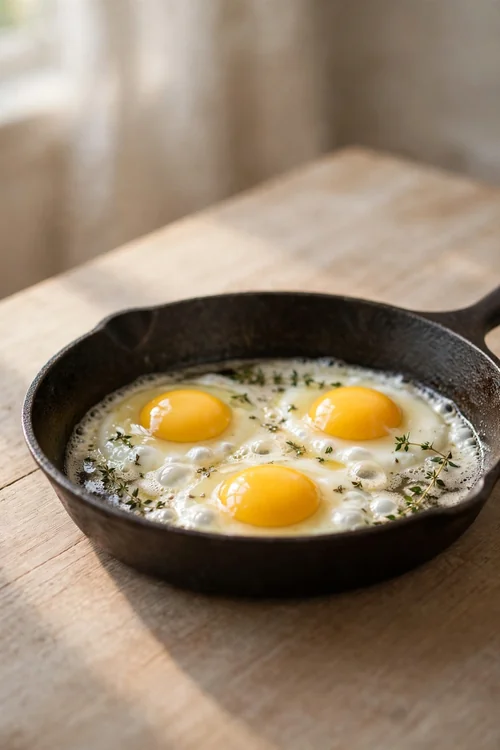
Low heat gives you time to control the curds. The eggs should move slowly and set into soft folds, not firm chunks. Keep the pan over the lowest flame and stir in slow folds, not fast whisks. The curds should look glossy and soft when they leave the pan.
- Melt butter over medium low heat until it foams.
- Pour in beaten eggs and let them sit for 20 seconds.
- Push the eggs gently from the edges to the center with a spatula.
- Pull the pan when the eggs are still slightly wet, since they finish off the heat.
Creamy Curd Technique

Quick Tip: Stir slowly and constantly, folding the eggs over themselves. Small, soft curds are the goal, and slow folding keeps them creamy.
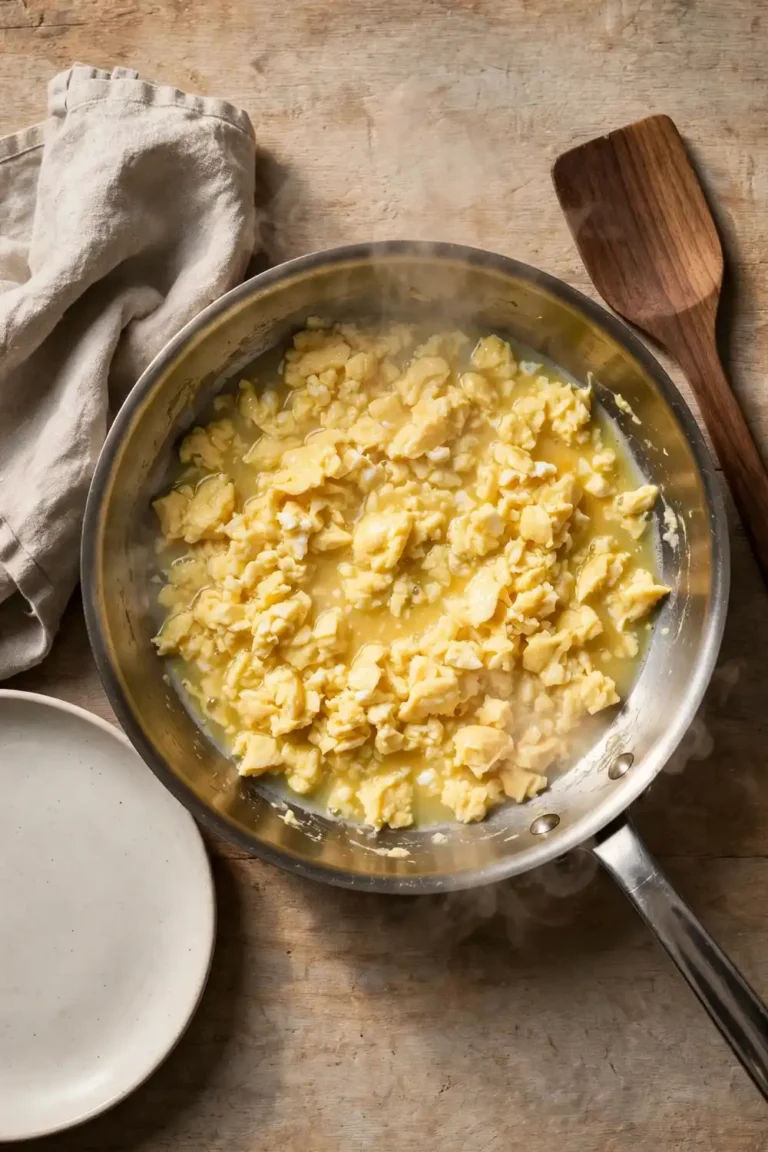
Stop when the eggs look about 90 percent done and still glossy. They will firm up on the plate. In my experience, pulling the pan thirty seconds early is the single best fix for rubbery eggs. Pull the pan off the heat while the eggs still look slightly underdone.
Butter And Dairy Balance

Common Mistake: Many cooks blast eggs over high heat to save time. The outside sets into rubber while the inside stays wet, and the result is both overcooked and undercooked at once.
The Fix: Turn the heat to the lowest setting and add a knob of butter. The butter slows the cooking and coats the curds, keeping them soft.
If the eggs already overcooked, stir in a spoonful of cream cheese or sour cream off the heat. The extra fat softens the texture enough to serve. Warm the plates before serving, so the eggs do not cool and stiffen on a cold dish. A warm plate keeps the curds soft until the last bite.
Fixing Overcooked Eggs

What You Need:
- Heavy nonstick pan: Even heat without sticking, and easy curd control.
- Silicone spatula: Folds eggs gently without scratching the pan.
- Butter: Adds richness and slows the cooking.
- Splash of milk or cream: A tablespoon per two eggs keeps curds tender.
- Warm plate: Keeps the eggs at serving temperature without extra cooking.
A heavy pan matters more than a fancy one. Even heat is what keeps one part of the eggs from overcooking while another stays raw. Crack the eggs into a bowl first and beat them lightly, which gives an even mix. A pinch of salt goes in at the end, not at the start.
Seasoning At The End

Before: Before, my eggs bounced off the plate. I cooked them hard and fast, and they came out dry, browned, and rubbery.
After: After switching to low heat, more butter, and an early exit from the pan, the same eggs come out soft, glossy, and creamy. Breakfast feels like a treat now.
The method takes two minutes longer, but the results are worth it. Soft eggs are a habit, not a talent. Serve with toast and a little extra butter, which keeps the plate rich and soft. Fresh herbs on top add color without changing the texture.
Pan Choice Matters
Do This:
- Use medium low heat throughout.
- Pull the pan while eggs are still glossy.
- Season with salt at the very end.
- Serve on warm plates at once.
Avoid This:
- Do not cook eggs over high heat.
- Do not leave eggs in a hot pan.
- Do not salt the raw eggs heavily.
- Do not use a thin, scorching pan.
These habits protect the soft curds at every step. Once they feel routine, rubbery eggs become a thing of the past. Use a silicone spatula to fold the curds, since it reaches the corners of the pan. A metal tool can scrape and break the soft curds apart.
Serving Soft Scrambles

- Time Needed: About 3 to 4 minutes of gentle cooking.
- Difficulty: Easy, mostly patience.
- Cost: Eggs and butter only.
- Best For: Breakfast plates, wraps, and brunch spreads.
Eggs set near 160 degrees Fahrenheit, and they keep cooking off the heat. One tablespoon of dairy per two eggs keeps curds tender. Salt at the end avoids tightening the proteins early. Reheat leftovers gently with a splash of milk over the lowest heat. Low heat keeps them soft.
Reheating Without Rubber

Leftover scrambled eggs go rubbery in the microwave. Reheat them gently in a pan over low heat with a splash of milk, stirring until just warm. Chop leftover eggs and fold them into fried rice, where the sauce softens them. A short toss over medium heat is all they need.
Better yet, cook fresh eggs for every meal. Scrambled eggs take four minutes, and fresh ones always beat reheated ones for texture. A breakfast sandwich with soft bread and cheese also rescues leftover eggs nicely. Warm the sandwich gently so the cheese melts without toughening the eggs.
Eggs For A Crowd

Cooking for a crowd needs the same gentle method, just scaled up. Work in batches if the pan gets crowded. Cook in small batches for a crowd, keeping each pan to six eggs at most. A crowded pan steams the eggs instead of scrambling them.
- Beat up to 12 eggs with a splash of cream.
- Cook in two batches in a wide pan.
- Hold the first batch in a warm, not hot, oven.
- Combine, season, and serve at once.
Scrambled Egg Checklist
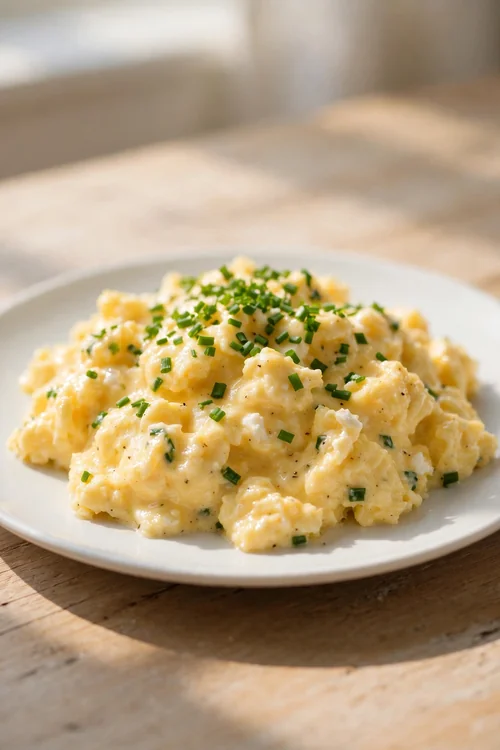
Quick Tip: Finish with a knob of cold butter and a pinch of chives off the heat. The butter melts into a glossy sauce, and the chives add fresh flavor.
Soft, creamy eggs are a small daily luxury. With low heat and an early exit, every morning can start with a perfect plate. Set out the butter, salt, and plates before you start, so nothing waits once the eggs are ready. Eggs wait for no one, so the table should be set first.
Conclusion
Soft eggs are a matter of heat and timing, not luck. If rubbery dry scrambled eggs show up on your plate, turn the heat down, use more butter, and pull the pan before the curds look done. Low heat, constant stirring, and early removal keep the curds creamy. Season at the end, serve at once, and never leave eggs sitting in a hot pan. With these habits, your eggs will stay soft, glossy, and tender every morning. For the fix that came before this one, see the bread crust guide for a loaf that bakes up even and whole.