How To Fix Runny Cheesecake Batter Before Baking? Easy Fix Guide
If runny cheesecake batter keeps spoiling your results, you are not alone. Many home cooks run into the same trouble even when they follow the recipe closely. The good news is that the cause is usually small and easy to correct once you know what to look for in your cheesecake batter.
In this guide, you will learn why the problem happens, which simple changes fix it, and how to check your work as you go.
By the end, you will know exactly what to change and what to leave alone. If another bake is giving you trouble, see the angel cake guide for the same clear, step by step help with that dish too.
Why It Goes Wrong

The most common cause is warm cream cheese and too much liquid. When that happens, the cheesecake batter cannot set or rise the way it should, and small errors show up fast. In my experience, the fix starts before you begin, with fresh ingredients and a clear plan.
Start by checking your cream cheese and eggs and your tools. Measure with care, keep the work area tidy, and give each stage the time it needs. When you control heat and timing, the cheesecake batter turns out steady and reliable, and you can repeat the good result again.
Pick the Right Mix

Here is a simple routine that fixes the issue in most kitchens. Work through the steps in order, and check your cheesecake batter at each stage so nothing goes too far. Steady habits like these turn a runny batter into a firm bake.
- Gather cream cheese and eggs and set out a springform pan before you start, so nothing waits mid-step.
- Use room temperature cheese and measured eggs as your main rule, and keep the heat at 325 F unless the recipe says otherwise.
- Give the cheesecake batter the full 60 minutes it needs, and check doneness a few minutes before the timer ends.
- Rest the cheesecake batter before cutting or serving, then note what worked for the next batch.
Set the Right Heat

Quick Tip: The fastest improvement comes from room temperature cheese and measured eggs. Make that one change first, then judge the result before you adjust anything else. One clear change tells you what actually helped.
Many cooks try three fixes at once and never learn which one mattered. Change one thing, watch the cheesecake batter closely, and keep the rest of your method the same. That patient approach saves ingredients and gives you a repeatable method you can trust. One steady change beats a rushed overhaul of the recipe.
Fix the Texture
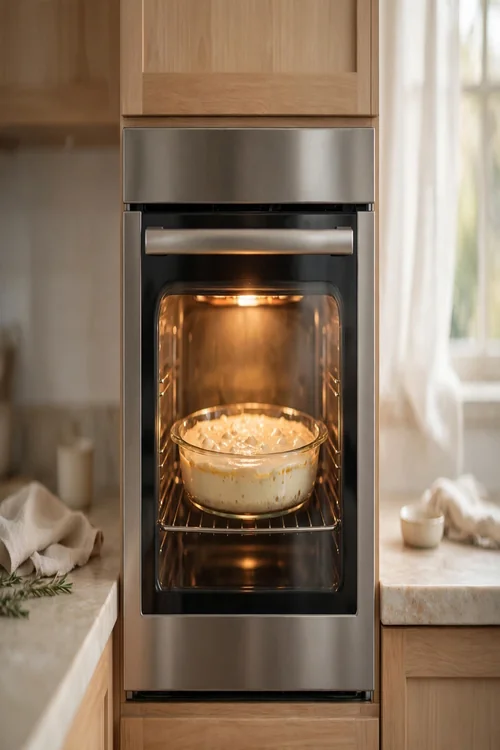
Common Mistake: Rushing the cheesecake batter and ignoring warm cream cheese and too much liquid. It feels faster to skip the check, but the error shows up later and costs more time to repair.
The Fix: Switch to room temperature cheese and measured eggs and watch the cheesecake batter at each stage. Small, steady corrections beat one big rescue at the end.
When you spot the mistake early, the repair is simple. Slow down, reset the heat or the timing, and let the cheesecake batter recover. Most batches can still turn out well if you act before the last stage, so do not give up on a batch too soon.
Rest Before Serving

What You Need:
- Cream Cheese And Eggs: fresh and measured with care, since stale or wrong amounts change the result.
- A reliable thermometer: it removes guesswork and tells you the true heat at each stage.
- A Springform Pan: it keeps the cheesecake batter steady and helps every batch behave the same way.
- A timer: it keeps you from leaving the cheesecake batter too long while you handle other tasks.
- A notebook: it records what worked, so you can repeat the success next time.
With these items ready, the work goes smoothly. Set out everything before you start, and keep the counter clear. When your tools are close at hand, you can focus on the cheesecake batter instead of hunting for supplies halfway through. Laid out tools keep the batter work calm from start to finish.
Watch the Timing

Before: The cheesecake batter shows the problem clearly, and each batch feels like a gamble. You follow the same recipe, yet the result changes, which is frustrating and wasteful.
After: With room temperature cheese and measured eggs, the cheesecake batter turns out steady and even. You know what to check, when to act, and how the finished dish should look, feel, and taste.
The gap between those two results is smaller than it looks. A few careful changes to heat, timing, and handling close it fast. Stay patient, trust the checks, and let each batch teach you something useful for the next one. Patient checks turn a wobbly batter into a cake you trust.
Avoid Overmixing

Do This:
- Measure cream cheese and eggs with care before you begin.
- Keep the heat at 325 F and check early.
- Let the cheesecake batter rest before cutting or serving.
- Write down the result so you can repeat it.
Avoid This:
- Do not rush the cheesecake batter to make up lost time.
- Do not change three things at once.
- Do not skip the rest, since it sets the texture.
- Do not trust guesswork when a thermometer gives the answer.
These habits protect the cheesecake batter from the most common errors. When you follow the do list and avoid the traps, the batch stays on track. Over time, the right steps feel natural and the results stay steady. Good habits soon feel easy, and the cake shows the payoff.
Use the Right Tool

Quick Facts:
- Time Needed: about 60 minutes plus prep.
- Difficulty: beginner friendly with basic tools.
- Tools Required: a springform pan, a timer, and a thermometer.
- Best For: home cooks who want a steady, repeatable cheesecake batter.
These facts set honest expectations before you start. The method needs no special gear and no rare ingredients. Plan a little extra time for the first try, and the second batch will feel much quicker. A little planning makes the first cake smoother than you expect.
Test for Doneness

A baked cheesecake is done when the outer ring looks set and the center wobbles like jelly. Tap the pan lightly and watch the middle move in one gentle wave. If the whole surface ripples, bake it longer and check again in ten minutes. The center keeps setting as the cake cools, so pull it early rather than late.
Cool the cake slowly in the oven with the door ajar, then chill it overnight in the fridge. That slow rest stops cracks and gives a smooth, creamy slice that holds its shape.
Fix It Now

If your batter already looks thin in the bowl, you can still thicken it before baking. Fix the balance now, and the cake will set up firm in the oven. Work through these rescue steps in order, then bake as planned.
- Beat in one extra block of room temperature cream cheese until smooth.
- Fold in two tablespoons of cornstarch to help the batter set firmly.
- Add one extra egg yolk and mix on low until just combined.
- Pour the batter into the pan and bake it in a water bath.
Serve It Right

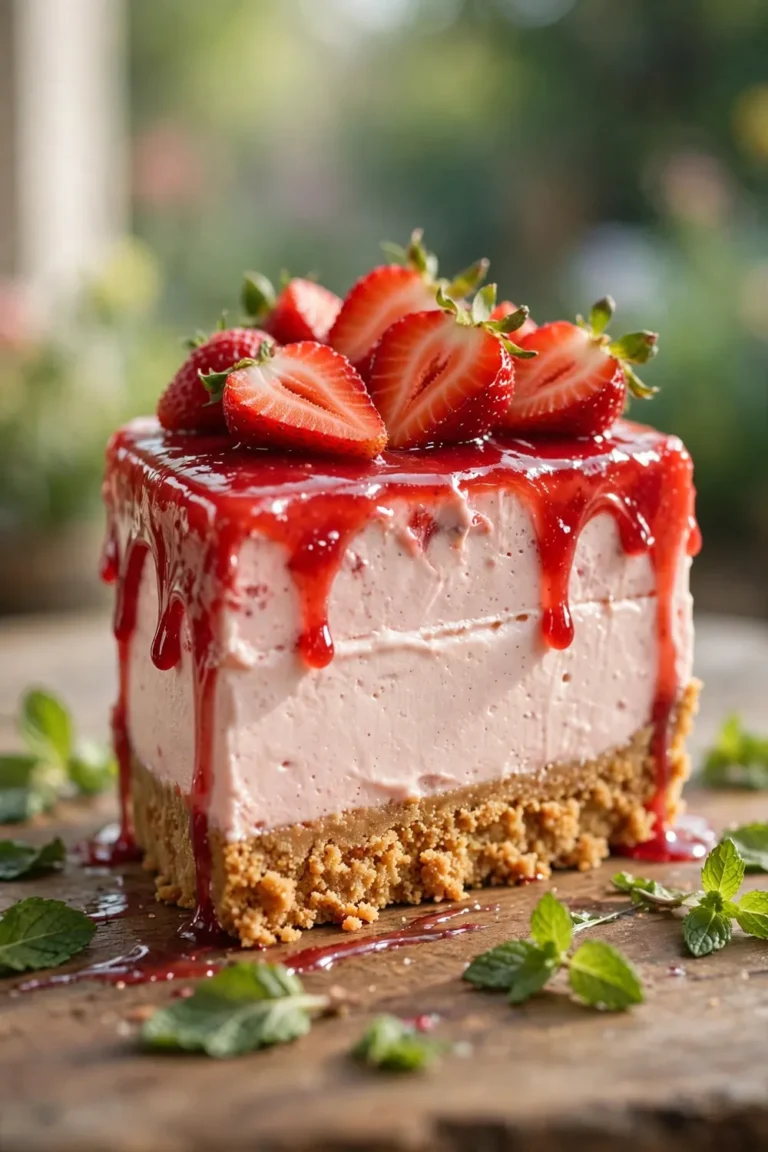
Quick Tip: Chill the baked cheesecake overnight before slicing, and use a thin knife dipped in hot water. Wipe the blade clean between cuts for smooth slices. Serve small wedges with fruit on the side.
Set the chilled cake on a serving plate and remove the pan ring just before guests arrive at the table. Keep leftover slices covered in the fridge so the top stays smooth and fresh. A well chilled cheesecake cuts cleanly and tastes rich and creamy without feeling heavy.
Conclusion
Fixing runny cheesecake batter comes down to steady heat, measured ingredients, and patience at each stage. When you slow down, check doneness early, and let the cheesecake batter rest before serving, the results stay consistent from batch to batch. Keep notes on what worked, so your next attempt starts from a stronger base. For more help with a related bake, read the cookie dough guide and apply the same calm, careful approach there. Small changes add up quickly when you repeat the same steps each time. Take your time and check each step before you move on.