Why Is My Lemon Cake Dense? Easy Fix Guide
Dense lemon cake is a letdown after a bright, sunny promise. The crumb sits heavy and tight instead of light and tender. A few method fixes bring back the lift.
Dense cakes usually come from flat leavening, heavy mixing, or too much batter in a small pan. Lemon juice adds acid that can tighten the crumb if the balance is off. Fresh leavening and gentle mixing fix most heavy cakes. Use plenty of zest for flavor and only a little juice.
This guide covers leavening, mixing, and baking in order. If carrot cake is next, the carrot cake guide fixes a greasy crumb.
Why Lemon Cake Densens

A cake turns dense when the batter cannot trap enough air. Flat baking powder gives no lift, heavy mixing knocks air out, and extra flour weighs the crumb down. The result is a tight, heavy slice. Overmixed batter builds gluten that pulls the crumb tight and heavy. Creaming and folding gently keep the cake light.
Lemon juice adds acid that can react with baking soda too fast. In my experience, fresh leavening and gentle mixing fix most dense cakes. Fresh leavening and room temperature eggs also lift the batter well. Measure flour with a light hand.
Check Leavening Freshness

Test leavening before you bake. Baking powder should fizz in hot water, and baking soda should fizz in vinegar. If either test is weak, replace the box. Test baking powder in hot water and baking soda in vinegar before baking. If neither fizzes strongly, replace the tin.
- Drop half a teaspoon of baking powder in hot water.
- Look for a strong, fast fizz.
- Drop baking soda in vinegar for the same test.
- Replace any leavener that fizzes weakly.
- Store leaveners sealed and dry.
Cream Butter Well

Quick Tip: Cream butter and sugar for three full minutes until pale and fluffy. That trapped air is the first lift in the cake. Short creaming leaves the batter heavy from the start.
Add eggs one at a time and beat briefly after each. Slow, steady mixing keeps the air you just creamed into the batter. Cream butter and sugar for three full minutes until pale and fluffy. The beaten air lifts the cake in the oven. Do not rush this step.
Measure Flour Right

Common Mistake: Scooping flour straight from the bag. A packed cup adds far too much flour, and the extra flour turns a light cake dense and dry.
The Fix: Spoon flour into the cup and level it, or weigh 120 grams per cup. Accurate flour keeps the crumb tender. Weighing the flour beats scooping every time.
Alternate flour and liquid when mixing, starting and ending with flour. The batter stays smooth without heavy beating. Spoon flour into the cup and level it with a knife, never scoop. A heavy cup of flour is the most common cause of a tight crumb.
Mix Batter Lightly

What You Need:
- Kitchen scale: Weighing flour removes the biggest variable.
- Stand or hand mixer: Steady beating creams butter well.
- Zester: Fresh zest gives bright flavor without extra acid.
- Light metal pan: A standard pan bakes evenly.
- Toothpick or skewer: A clean test shows true doneness.
Zest carries most of the lemon flavor without the acid of juice. Use plenty of zest and a modest amount of juice for a bright but tender cake. Fold the flour in just until no white streaks remain, then stop. A few small lumps are fine and beat a tough, overmixed batter.
Use Right Pan Size

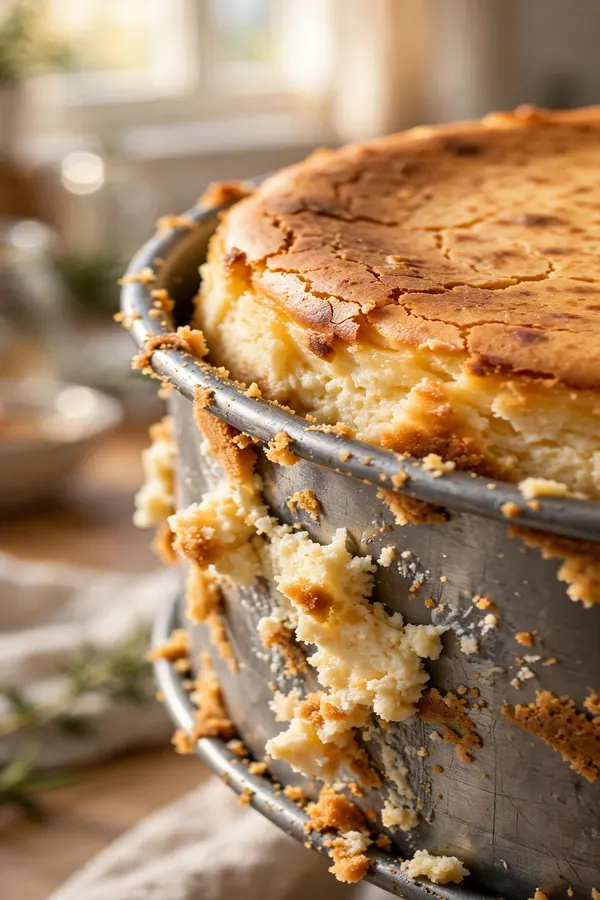
Before: A cake made with old baking powder and scooped flour baked into a tight, heavy slab. The lemon flavor was there, but the texture was not.
After: Fresh leavening, weighed flour, and gentle mixing gave a light, springy crumb. The same recipe tasted completely different. The same ingredients gave a lighter result.
Method matters more than a new recipe. Fresh lift and accurate flour change the whole cake. A pan that is too small makes the batter rise and fall back. Use the size the recipe calls for and check doneness early. Grease and line the pan well.
Bake Until Springy

Do This:
- Test leavening before baking.
- Cream butter and sugar well.
- Weigh flour when you can.
- Fold the batter only until combined.
Avoid This:
- Do not scoop flour from the bag.
- Do not overmix after adding flour.
- Do not use a pan that is too small.
- Do not open the oven early.
A small pan forces the batter deep, and the center stays dense while the edges overbake. Use the pan size the recipe calls for. Press the center lightly and watch it spring back. A clean skewer and a golden top confirm the cake is done.
Fix Heavy Cakes

Time Needed: About 30 to 35 minutes baking plus cooling.
Difficulty: Easy, with accurate measuring.
Cost: Low, pantry staples.
Best For: Tea time, brunch, and spring tables.
Check the cake five minutes early. A toothpick with a few moist crumbs means the cake is done, while a wet streak means it needs more time. Serve heavy slices with whipped cream and fresh berries to lighten the plate. A lemon syrup soak also adds moisture and bright flavor.
Rescue Dry Slices

If the cake is already dense, serve it in thin slices with whipped cream and berries. The light toppings balance the heavy crumb and the plate still feels elegant. Brush dry slices with warm lemon syrup and let it soak in. The syrup adds moisture and fresh citrus flavor to every bite.
For a very heavy cake, cube it for trifle. Layers of cream, curd, and fruit turn a dense bake into a lovely dessert. Serve syrup soaked slices with cream or ice cream for a simple dessert. Warm slices take syrup best.
Balance Lemon Flavor

Dry slices can be rescued with a lemon syrup brush. Warm lemon juice and sugar brushed over the cake adds moisture and bright flavor. Zest the lemons before juicing, and taste the batter before baking. Fresh zest carries more aroma than bottled juice alone. Use fresh lemons.
- Warm equal parts lemon juice and sugar.
- Stir until the sugar dissolves.
- Brush over warm cake slices.
- Rest for 10 minutes.
- Serve with cream or berries.
Plan Better Cakes

Quick Tip: Use zest for flavor and juice sparingly. Too much juice makes the batter wet and acidic, which can tighten the crumb. A tablespoon or two is plenty in most cakes.
Store the cake covered at room temperature for up to three days. A tight cover keeps the crumb moist without making it soggy. Bring butter and eggs to room temperature before you start. Cold ingredients curdle the batter and bake into a dense crumb. Plan ahead for this.
Conclusion
Dense lemon cake comes down to lift, flour, and mixing. Test the leavening, cream the butter well, weigh the flour, and fold gently. Those habits give a light, bright crumb every time. For another cake rescue, the peanut butter guide holds cookie dough together.
Use plenty of zest for bright flavor and only a little juice. A modest amount of acid keeps the crumb tender. With fresh leavening, weighed flour, and gentle folding, every cake will bake light and springy. Serve with berries and cream for a simple, elegant finish.