24 Velvety Shrimp Fra Diavolo Ways That Never Last Long
Some dinners whisper, and some arrive with a little fire in their step. My shrimp fra diavolo is firmly in the second camp, a tangle of linguine in spicy tomato garlic sauce where sweet shrimp meet a warmth that glows from first forkful to last bite.
Inside are twenty four ways to cook it, from the classic skillet to creamy blush, mussel kissed pots, zoodle light bowls, and platters for date night. Heat runs from gentle glow to full three alarm fire, so every table finds its level.
Along the way you gather heat building habits, serving rules, and tricks from many pans cooked in my own kitchen. Start with one tonight, keep the rest pinned, and watch a single fiery pan become the dinner everyone requests on repeat.
Classic Linguine Skillet
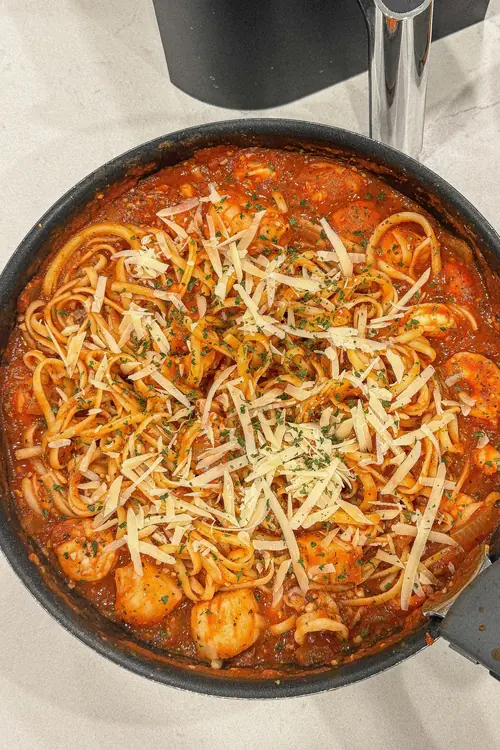
Image Credit: @platingwithperel
The classic starts the way it has for generations, olive oil warming in a wide skillet while garlic slices turn pale gold at the edges. Crushed tomatoes follow with a pinch of chili flakes, and the sauce simmers until it thickens enough to coat the back of a spoon.
Shrimp go in near the end, laid over the sauce rather than buried inside it, so they poach gently and stay sweet. Linguine lands straight from its pot with a splash of cooking water, and everything tosses until each strand wears a glossy red coat from end to end.
This is the version to learn first, because it teaches the timing every other pan in this collection quietly depends on. In my experience, once the sauce balance feels right here, the fiery, creamy, and lighter variations all become simple adjustments rather than brand new recipes to master. My shrimp creole brings that same bold tomato fire home on the nights nobody wants plain.
Extra Fire Chili Heat

Image Credit: @tracksidestation
- Layer the heat in stages, flakes in the oil, a fresh chili in the sauce, and a final drizzle of chili oil at the table.
- Keep the tomato base slightly sweet, because sugar rounds the fire and lets the shrimp flavor survive the burn.
- Sear the shrimp separately over fierce heat so they pick up char before they ever meet the sauce.
- Warn the table honestly and put a plain bread basket in reach, since even brave eaters appreciate an exit.
Extra fire done well is not a dare, it is a balance where heat arrives in waves instead of one blunt hit. Build it gradually, taste between additions, and stop one notch before your limit, because the sauce keeps blooming as it sits in the warm pan.
Garlic Lovers Pan

Image Credit: @janususus
Quick Tip: Slice half the garlic thin and fry it into golden chips for the top. Mince the rest and cook it low in the sauce, never letting it brown past pale gold. Two forms, one pan, and the garlic flavor runs deep instead of sharp.
Garlic carries this version, so treat it like the main ingredient rather than a background note in the sauce. Buy fresh firm heads, skip the jarred mince entirely, and let the two textures, crisp chips above and mellow sweetness below, do the talking in every single forkful.
Mussel Kissed Tomato Pot
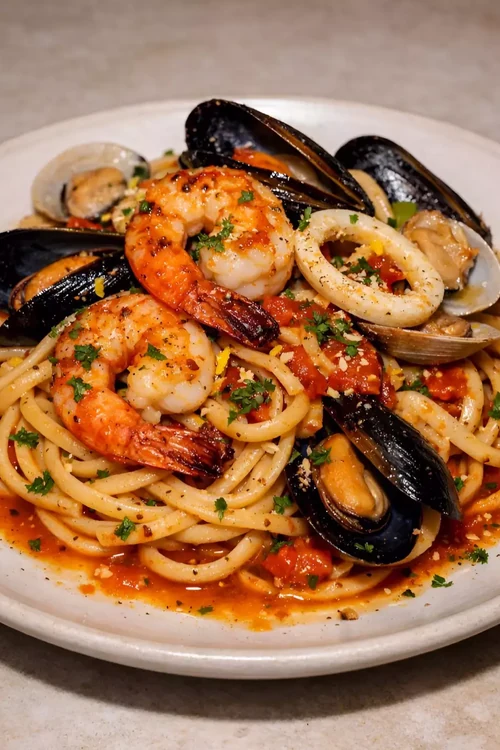
Image Credit: @glennheizeru
BEFORE: A plain shrimp pan can feel a little one note on nights when the table wants something from the sea with more depth. The sauce tastes bright but thin, the shrimp carry the whole dish alone, and the last bites start to repeat themselves.
AFTER: Mussels change everything, opening in the sauce and giving their briny liquor straight into the tomatoes below them. Each shell becomes a tiny cup of sea flavor, the sauce turns deeper and rounder, and the shrimp finally share the spotlight with something equally bold beside them.
Scrub the mussels well, tap any open shells, and discard the stubborn ones before the pot ever sees heat tonight. Cook this version when the market shells look glossy and smell like clean seawater, and serve it with bread for chasing the briny sauce at the end.
Creamy Blush Sauce

Image Credit: @cowboychrisdorrah
- Build the fiery tomato base first, garlic, flakes, and crushed tomatoes simmered until thick and glossy.
- Sear the shrimp in a separate hot pan for one minute per side, then rest them on a warm plate.
- Lower the heat and stir in the cream slowly, watching the sauce turn blush pink and silky.
- Add the linguine with a splash of pasta water and toss until every strand shines.
- Return the shrimp on top, rest one minute, and finish with basil and parmesan.
Cream does not tame this dish into blandness, it rounds the edges and lets the chili warmth spread slowly across the palate. Keep the heat low once the cream joins, because a hard boil can split the sauce and dull that pretty blush color you worked for.
Fresh Or Canned Tomatoes

Image Credit: @mangiamosaratoga
| Point | Fresh Tomatoes | Canned Tomatoes |
|---|---|---|
| Flavor | Bright and grassy, closest to the garden | Deep and sweet, cooked down before tinning |
| Sauce Body | Looser, needs a longer simmer to thicken | Thick from the start, clings to pasta fast |
| Season | Worth it only in late summer months | Reliable every single week of the year |
| Heat Control | Chili blooms slowly in the thinner juice | Chili spreads evenly through the dense sauce |
Neither choice wins every night, because the calendar and the clock both get a vote at my stove. August tomatoes deserve the fresh pan, while a February weeknight belongs to the tin, and both routes end at the same fiery, satisfying bowl when the seasoning is right.
Heat Building Habits

Image Credit: @seasonal_cravings
DO: Build heat in layers, flakes blooming in oil first, fresh chili in the sauce, and a gentle finish at the table. Taste after every layer and wait a full minute, because chili warmth blooms slowly and the second taste always tells the honest truth.
DON’T: Dump every chili you own into the oil at once and call the result bold cooking for the table. One harsh hit hides the tomato, bullies the shrimp, and leaves the cook with no way back except a bigger pot, more tomatoes, and a quieter pan tomorrow.
Heat is a seasoning, not a stunt, and the cooks who treat it with patience get the pans people remember. Keep notes on the batch that made the table go quiet in the good way, because that layering becomes your house method from that night onward.
Fifteen Minute Facts

Image Credit: @mediterraneo_restaurant
Cost: Moderate, shrimp is the only splurge
Time Needed: Fifteen minutes once the water boils
Difficulty: Easy, one pan and quick hands
Best For: Weeknights that still deserve some fire
Fifteen minutes sounds like a promise restaurants make, but at home it is mostly preparation doing the quiet work. Garlic sliced before work, sauce ingredients lined up, water already at a boil, and dinner assembles itself the moment the shrimp hit the hot pan at last.
Zoodle Light Bowl

Image Credit: @larry.hansen5
Zucchini noodles change the mood of the whole dish, turning a heavy pasta night into something bright and garden fresh. The sauce stays the same fiery tomato base, only loosened a little, so it clings to the green ribbons instead of pooling heavily beneath them in the bowl.
Salt the zoodles briefly and pat them dry, because their water is the enemy of a sauce with any real body. Warm them in the pan for barely two minutes, since they soften fast and turn limp the moment the cook looks away from the stove tonight.
Serve this bowl when the day has been rich and the table wants the flavors without the full pasta commitment. In my experience, even committed linguine loyalists go quiet over this version, because the fire, garlic, and sweet shrimp still arrive exactly as promised at dinner.
Crusty Bread Dipping Night

Image Credit: @garlic_brothers_restaurant
- Choose a sturdy country loaf with a thick crust, because soft bread collapses under a hot, saucy swipe.
- Slice it thick, toast it lightly, and rub one side with a cut garlic clove while it is warm.
- Serve the skillet in the middle of the table so everyone dips straight from the pan between forkfuls.
- Keep extra sauce in a warm side bowl, since the last bread slices deserve better than a dry pan.
Bread turns this dinner into an event, slowing everyone down and stretching the sauce to the very last spoonful. Plan a full loaf for four people, because the dipping always outlasts the pasta, and nobody in history has complained about one extra slice at this table.
Calabrian Chili Jar

Image Credit: @takinguproom
Quick Tip: Spoon the Calabrian chili paste in after the sauce simmers, so its fruity heat stays bright instead of cooking dull. Start with one teaspoon, taste, and only then decide about the second. The jar keeps for weeks, so tonight never needs to use it all.
Calabrian chilies bring a fruity, almost smoky warmth that plain flakes cannot copy, and a little jar quietly upgrades months of pans. Look for the chopped kind packed in oil, keep it near the stove, and expect it to wander into eggs, pizzas, and dressings too.
Pale To Fiery

Image Credit: @thewarehousepizzeria
BEFORE: The first versions in many kitchens are timid, a pale tomato wash, a whisper of garlic, and shrimp that taste mostly of the water they boiled in. Dinner looks fine on the plate, but nothing lingers, nothing glows, and nobody asks how it was made.
AFTER: The fiery version builds color before heat, tomatoes cooked down to a deep brick red, garlic bloomed in oil, and chili layered in twice. The shrimp arrive glossy and bold, the sauce clings like it means it, and the whole bowl smells like a trattoria at full tilt.
The distance between pale and fiery is mostly patience, ten extra minutes of simmering and the courage to season twice. Taste the sauce on a spoon, then on bread, then on pasta, because each stage tells you something the last stage politely kept to itself that night.
Date Night Platter

Image Credit: @jozannas_
- Cook the sauce earlier in the day and chill it, because the flavors marry and reheating is one less job at night.
- Set the table before anything hits the stove, candles or not, so the cooking itself stays calm and unhurried.
- Sear the shrimp last, in one hot minute per side, while the pasta finishes in its pot.
- Twirl the linguine into a wide warm platter, sauce first, then pasta, then the shrimp arranged on top.
- Carry it out in one trip, with the bread and parmesan already waiting at the table.
A platter changes the psychology of the meal, turning a weeknight pasta into an occasion without any extra cooking at all. Cook this when the evening deserves a little ceremony, and notice how the same sauce tastes richer when nobody is eating straight from the pan tonight.
Shell On Or Peeled
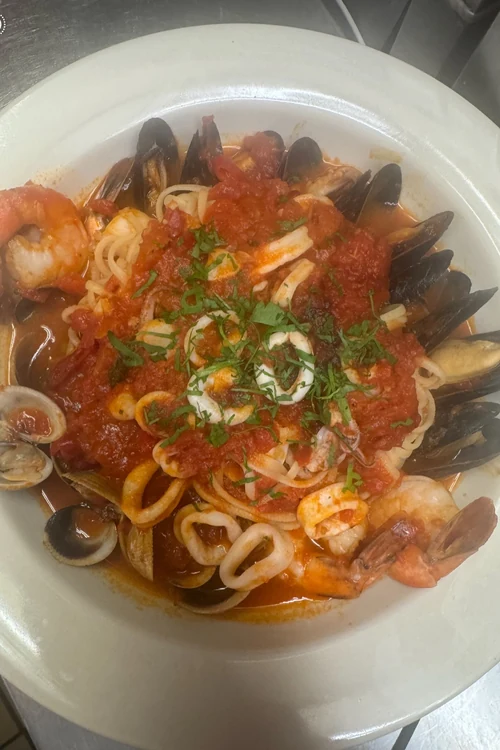
Image Credit: @gola_osteria
Shell On: Cooking shrimp in their shells protects the meat and drips sweet shellfish flavor straight into the sauce as they simmer. The shells also slow the cooking slightly, which forgives a distracted minute, and the table gets the pleasure of peeling at the bowl together.
Peeled Clean: Peeled shrimp eat neatly, absorb the sauce faster, and suit nights when the table wants zero work between fork and mouth. They cook quicker and forgive nothing, so watch them closely, and pull the pan the moment they curl into loose pink commas tonight.
Both camps have loyal defenders in my kitchen, and honestly the calendar decides more often than preference ever does. Shells on for slow Sundays and long talks, peeled for weeknights and guests in good clothes, and either way the fiery sauce treats them with equal respect.
Serving Day Rules

Image Credit: @osterialafamiglia_byolivier
- DO: Warm the serving bowls, because hot sauce on cold porcelain loses its glow in minutes.
- DO: Toss the pasta in the pan off the heat, letting the sauce coat without breaking.
- DO: Carry extra chili oil to the table for the brave and the curious.
- DO: Serve the shrimp on top, never buried, so the first sight promises the flavor.
- DON’T: Let the pan sit while the table gathers, since linguine drinks sauce as it waits.
- DON’T: Rinse the pasta after draining, washing away the starch the sauce needs to cling.
- DON’T: Pile cold parmesan over the top, which dulls the shine of the sauce.
- DON’T: Announce the heat level like a warning, let the first bite do the talking.
Serving is the final seasoning, the moment where warm bowls and quick hands protect everything the stove already built. Get the table ready before the pasta drains, and this dish will always arrive at its glossy, steaming best, exactly the way the cook intended it to.
Crowd Feeding Facts

Image Credit: @donangienyc
Cost: Friendly, pasta stretches a pound of shrimp far
Works In: The widest skillet the stove can hold
Result: A table that goes quiet, then loud
Pro Tip: Double the sauce, crowds always take extra
Feeding a crowd this dish is a lesson in ratios, because the pasta and sauce can stretch almost endlessly while the shrimp cannot. Buy a few extra shrimp for the top of each bowl, and the whole table feels the generosity without the budget feeling the strain.
Smoky Paprika Depth
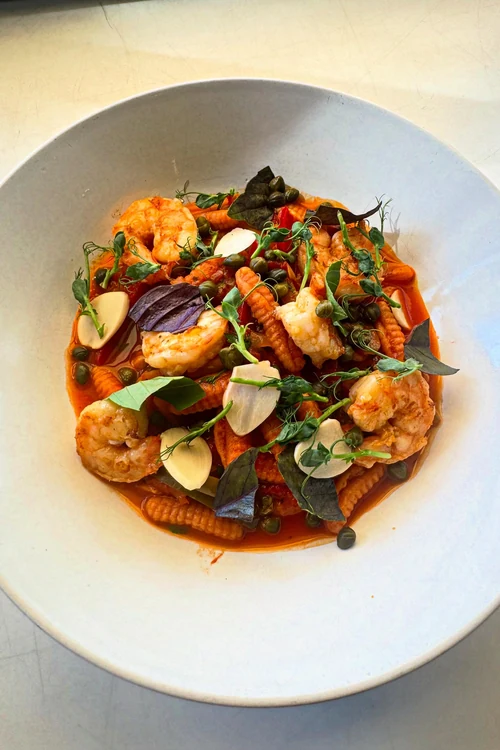
Image Credit: @vandyv
Smoked paprika slips a quiet campfire note under the tomato, deepening the sauce without adding any real extra heat. A teaspoon bloomed in the oil at the start colors everything a darker rust, and the finished bowl tastes like it simmered beside an open fire.
Balance matters here, because smoke can bully the sweet shrimp if the hand gets generous with the tin. Pair the paprika with a pinch of sugar and a squeeze of lemon at the end, and the depth turns round, warm, and strangely comforting on cold evenings.
Reach for this version when the classic pan starts feeling too familiar and the table needs a new story. I’ve noticed the smoky pan empties fastest at gatherings, maybe because the flavor feels both old and new at once, like a recipe somebody’s grandmother guarded carefully.
Lemon Zest Bright Finish

Image Credit: @seasonandthyme
- Zest the lemon before juicing it, because warm zest gives perfume while juice gives the sharper spark.
- Stir the zest through off the heat, since boiling dulls the citrus oils within a minute.
- Add juice a teaspoon at a time at the table, tasting between additions for balance.
- Keep one lemon half for serving, so every eater can brighten their own bowl.
Lemon is the final edit this rich sauce quietly begs for, lifting the tomato and waking the shrimp back up. Add it late and add it fresh, and the whole bowl tastes like the cook paid attention at exactly the moment attention mattered most to flavor.
White Wine Splash

Image Credit: @cjackfar
Quick Tip: Pour the wine in after the garlic blooms and let it bubble hard for one full minute. That boil cooks off the harsh edge and leaves only brightness behind in the sauce. If no wine is open, a squeeze of lemon and a splash of pasta water stand in well.
Wine gives the sauce a restaurant echo, a faint acidity that makes the tomatoes taste more like themselves somehow. Use a dry bottle you would happily drink, cook it long enough to mellow, and keep the rest of the glass for the cook as a small reward.
Frozen Shrimp Rescue

Image Credit: @jessicasrestaurant808
BEFORE: Frozen shrimp cooked carelessly turn rubbery and pale, weeping water into the sauce until it tastes thin and tired. Many cooks swear off the freezer bag entirely after one sad pan, convinced the fault lives in the shrimp rather than in the method behind them.
AFTER: Thawed slowly, dried thoroughly, and seared over real heat, frozen shrimp turn plump, sweet, and glossy in the same fiery sauce. The pan looks abundant, the sauce stays thick, and nobody at the table believes the bag came from the freezer an hour earlier tonight.
The rescue is mostly drying, because surface water is what steams shrimp into rubber on contact with the pan. Spread them on towels, press gently, wait ten honest minutes, and the freezer bag becomes a weeknight ally instead of a compromise the cook apologizes for later.
One Pot Weeknight Method
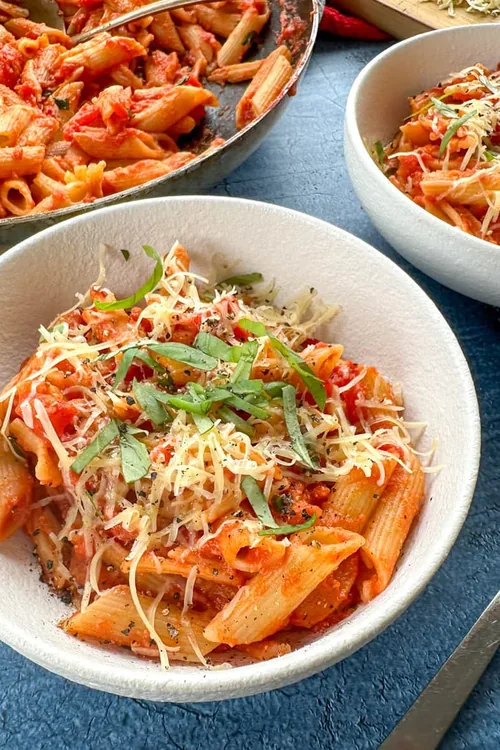
Image Credit: @justamumnz
- Bloom garlic and chili flakes in olive oil in a deep pot wide enough to hold the pasta flat.
- Add crushed tomatoes and hot water, then lay the linguine straight in and stir once.
- Simmer with the lid ajar, stirring twice, until the pasta is nearly tender and the sauce thickens around it.
- Lay the shrimp on top, cover for three minutes, and let them steam to pink perfection.
- Rest off the heat for two minutes, then toss everything with lemon and parmesan.
One pot cooking trades a little ceremony for a lot of calm, and the pasta repays you by thickening its own sauce. Keep the stir honest and the liquid hot, and this method will carry more weeknights than any other version in the whole collection combined.
Heat Level Picks

Image Credit: @seasonal_cravings
- Mild Glow: One pinch of flakes and no fresh chili, all the tomato warmth with a gentle hum at the back.
- Medium Warmth: Flakes plus one fresh chili, the level most tables vote their favorite on first serving.
- Full Fire: Flakes, fresh chili, and Calabrian paste together, bold heat that still lets the shrimp speak.
- Inferno Night: Everything above plus chili oil at the table, reserved for the truly committed fire lovers.
Naming the levels saves the cook from the oldest argument at the pasta table, because everyone orders their heat like coffee. Write the levels on the recipe card, let each eater choose honestly, and keep the chili oil nearby for anyone who upgrades mid bowl tonight.
Pan To Table Rules
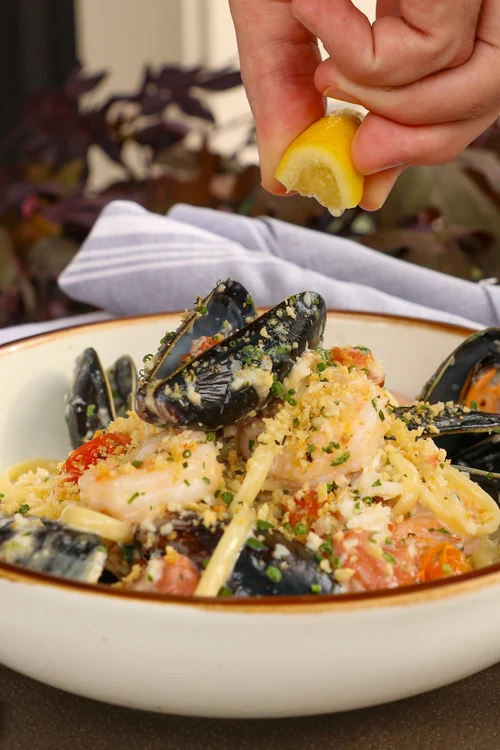
Image Credit: @guesthousetavernoyster
| DO | DON’T |
|---|---|
| Preheat the serving platter so the sauce stays glossy | Carry the pan to a cold table and lose the steam |
| Toss the pasta twice in the pan before plating | Plate dry pasta and ladle sauce over the top |
| Set the shrimp on top where everyone can see them | Bury the shrimp under pasta where they steam soft |
| Pass extra parmesan and chili oil at the table | Season for the whole table from the stove alone |
The trip from stove to table decides more than cooks admit, because heat, shine, and timing all fade by the minute. Warm the platter, gather the people first, and carry the pan out like it matters, because for the next twenty minutes it truly is dinner.
Pantry Staple Facts

Image Credit: @williamssonoma
Cost: Low, tins and dried pasta carry the dish
Time Needed: Twenty minutes from cupboard to table
Works In: Any kitchen with one wide pan
Pro Tip: Keep frozen shrimp as the standing backup
A pantry version matters because cravings rarely check the calendar before they arrive at the kitchen door unannounced. Tinned tomatoes, dried linguine, jarred chili, and frozen shrimp mean this dinner is never more than one thaw away, and that quiet readiness feels like a small superpower.
Conclusion
Twenty four pans later, the lesson is simple and bright: good tomatoes, honest garlic, and shrimp cooked with respect will carry every version here. A proper shrimp fra diavolo is not about daring heat, but about balance, the fire warming the sweetness instead of shouting over it nightly.
Start with the classic skillet, then wander toward the creamy blush, the mussel pot, or the full fire version as your confidence grows. Save this collection, share it with a friend who loves a little heat, and let dinner glow a bit warmer. My seafood gumbo brings the same bold, saucy comfort to the table.