23 Truly Dumbfounded Lemon Mascarpone Tartlets Ideas
Few desserts stop a table mid conversation like lemon mascarpone tartlets set down still cool from the fridge. The filling tastes like lemon curd folded through a cloud, bright and rich at once, and the crisp shell underneath gives every bite its gentle snap and buttery finish.
This collection gathers twenty three versions worth saving, from the classic glazed tart and torched meringue clouds to blueberry crowns, pistachio rims, and tiny two bite minis made for passing around a crowded table.
Every version keeps the same promise: real lemon brightness in every bite, a filling that slices clean, and simple steps that respect a busy afternoon. Pick one for tonight, save the rest for later. My rice crispy treats bring that same sweet, nostalgic comfort.
Classic Glazed Petit Tarts
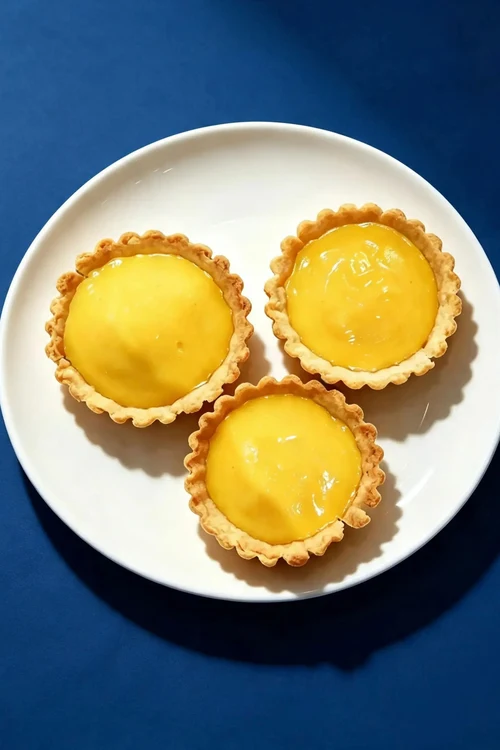
Image Credit: @bluegarlik
The classic starts with a shell baked until the edges turn the color of toasted honey, then a filling whisked until it pours like thick cream. A thin lemon glaze settles over the top as it cools, sealing in the shine and giving the first bite its bright, clean snap.
Chill the tarts for at least two hours before serving, because the filling slices cleaner and the glaze holds its mirror when cold. I have noticed guests always reach for this one first, since it promises exactly what a lemon tart should taste like and nothing it should not.
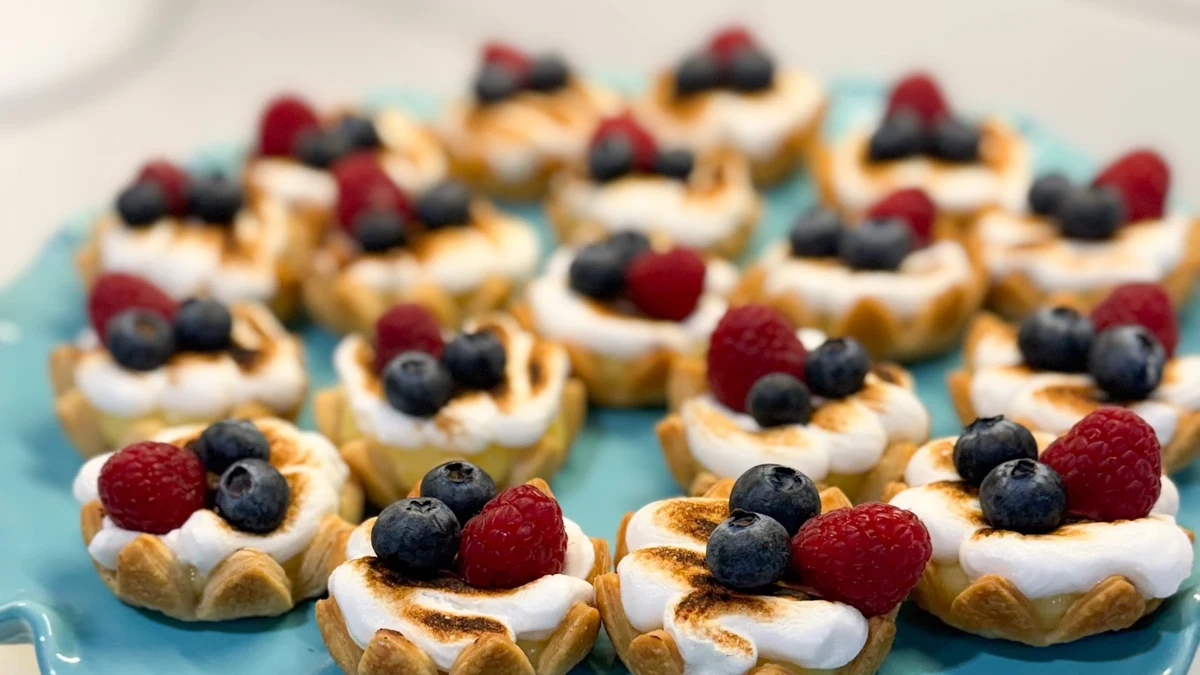
Torched Meringue Cloud Tops
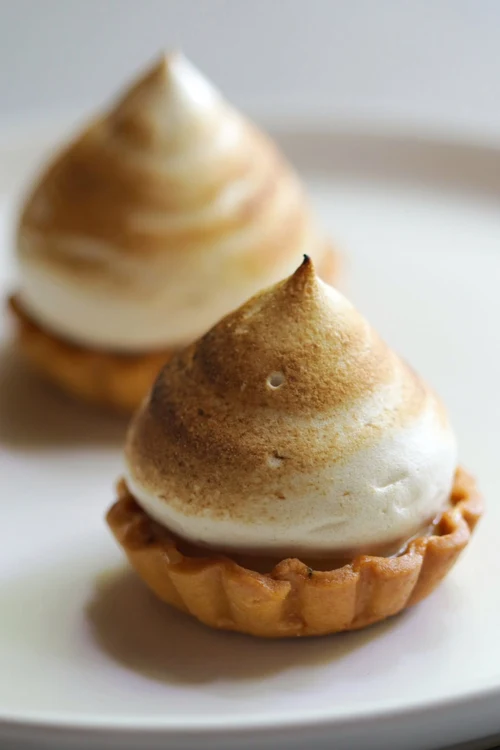
Image Credit: @melt_away_bakery
- Whip the egg whites with sugar until the peaks stand tall and glossy, because soft peaks slump long before the torch ever warms them.
- Pipe or spoon the meringue in generous swirls, leaving the center high so the torch kisses the ridges first.
- Work the flame in slow circles, keeping it moving, since meringue turns from golden to scorched in a few seconds.
- Add the meringue after the filling has chilled fully, so the two layers stay distinct when the tart is sliced.
- Serve within a few hours, because torched meringue slowly weeps and softens as it waits in the fridge.
That contrast is the whole dessert: cool, silky lemon under a warm scented cloud that crackles faintly when the spoon breaks in. A small kitchen torch costs little and lasts for years, and this is the version I pull out when the table needs a little quiet theater.
Candied Lemon Peel Twists

Image Credit: @ghyu.co
Quick Tip: Simmer thin peel strips in syrup until they turn translucent at the edges, then drain and toss them in fine sugar while warm. Twist each strip around a chopstick for thirty seconds and it holds its curl. One strip per tart gives the garnish a deliberate, bakery finish.
The peel does more than decorate here, because its gentle bitterness keeps the rich filling from reading too sweet. Make a double batch and keep the extras in a jar, since they stay lovely for weeks and rescue plain shortbread or a simple yogurt bowl on quiet mornings at home.
From Runny To Silky
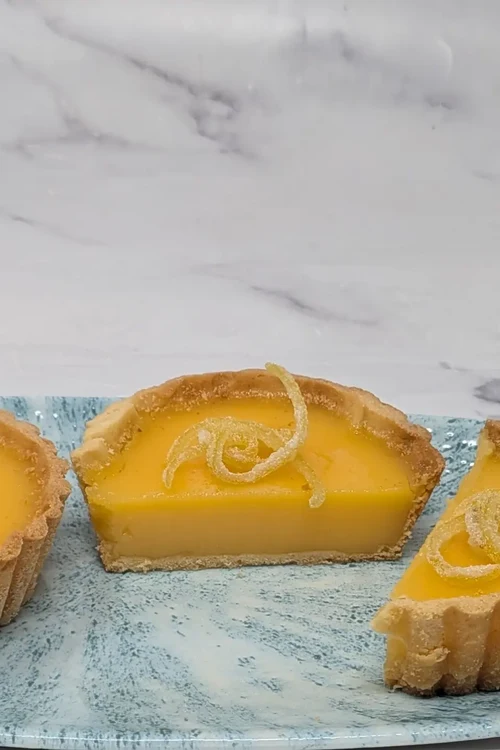
Image Credit: @vex.bakes
Before: The filling pours into the shells like soup and never quite sets, so slices slump on the plate and the glaze slides toward the rim. Every bite tastes right, yet the fork chases a puddle, and the tart looks unfinished no matter how pretty the berries on top are.
After: One extra egg yolk and ten quiet minutes of chilling before the bake change everything about the set. The filling stands in clean layers, the slice holds its wedge shape on the fork, and the surface stays smooth enough to reflect the berries arranged across the top of it.
A runny center is almost always a temperature problem, not a recipe problem, and the fix costs nothing but patience. Let the filled shells cool on the counter before the fridge, because a blast of cold air can crack a surface that was setting beautifully only minutes before serving time.
No Bake Weeknight Shells

Image Credit: @trips_sips_and_dips
- Crush butter cookies to fine crumbs and stir through melted butter until the mixture feels like wet sand at the beach.
- Press the crumbs firmly into each tart tin, up the sides and across the base, using the back of a spoon.
- Chill the shells for thirty minutes while you whisk the filling, so the crumb base sets hard enough to hold.
- Spoon the filling in level with the rim and smooth the tops with the back of a warm spoon.
- Rest the filled tarts in the fridge for at least three hours, until the centers no longer tremble when nudged.
No oven heat, no water bath, and the whole batch is chilling before dinner dishes are even washed at my house. The crumb shell stays snappy for a day, so this is the version to make on the morning of a party and forget about until the plates come out.
Stovetop Vs Baked Filling

Image Credit: @well.i.declair
| Point | Stovetop Filling | Baked Filling |
|---|---|---|
| Texture | Poured in silky and set by chilling alone | Firm, custardy set that slices like a cheesecake |
| Flavor | Brightest lemon, since nothing cooks after the zest | Deeper and rounder, the lemon softens in the heat |
| Hands on time | Fifteen minutes of steady whisking over the pot | Five minutes of mixing, then the oven does the rest |
| Best moment | Hot evenings and no bake menus | Make ahead days and tidy slices for guests |
Neither method wins the whole argument, because they answer different evenings and different moods at the same table. Stovetop keeps the lemon loud and the kitchen cool, while the baked version trades a little brightness for slices so clean they look catered, which matters when the guests are watching.
Tart Shell Ground Rules

Image Credit: @filoandfond
- DO: Chill the pastry for thirty minutes before rolling, so it relaxes instead of shrinking away from the tin walls.
- DO: Dock the base with a fork and line with weights, because trapped steam lifts an empty shell into bubbles.
- DO: Bake until the base looks matte and sandy at the center, not pale and shiny with raw butter.
- DO: Cool the shells fully on a rack before filling, since warm pastry steams and softens under a wet filling.
- DON’T: Stretch the pastry to fit the tin, because stretched dough always shrinks back and pulls the walls down.
- DON’T: Skip the egg wash seal on the base when the filling is wet and the serving time is hours away.
- DON’T: Fill shells straight from the fridge with warm filling, which sweats and turns the crisp base leathery fast.
- DON’T: Leave baked shells out overnight uncovered, since they drink humidity and lose their snap by morning.
A great filling cannot rescue a soggy shell, and these small habits are the whole difference between the two. Master the chill, the weights, and the full bake once, and every variation in this collection sits on a base that stays crisp from the first slice to the very last.
Tea Party Serving Facts

Image Credit: @syllabubsweets
Cost: Low, since lemon and mascarpone stretch across two dozen tarts.
Time Needed: About two hours, most of it quiet chilling time.
Best For: Bridal showers, garden teas, and slow Sunday afternoons.
Works In: Tiered stands, cake domes, and small dessert plates.
Tea service flatters these tarts because the portions are small, the colors are pale, and nothing needs cutting at the table. Set them out twenty minutes before guests sit down, so the filling loses its fridge chill and the lemon perfume reaches everyone before the first pot is even poured tonight.
Blueberry Crowned Beauties
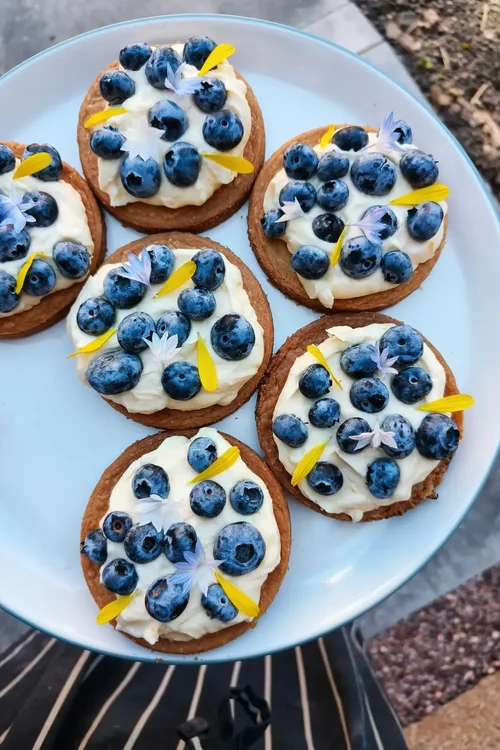
Image Credit: @damselbakery
A small hill of blueberries changes the whole balance of this tart, their skins popping against the silk and their juice bleeding the faintest violet into the filling. Use berries that are dry and firm, because wet fruit sweats in the fridge and dulls the glaze within a few hours.
Crown the tarts after they have chilled completely, pressing each berry lightly into the surface so it stays put when the plate moves. I have noticed the blue and gold contrast photographs better than any other version here, which is why this tray always leads the dessert table lineup.
Raspberry Swirl Centers

Image Credit: @larrybakescupcakes
- Warm a handful of raspberries with a spoon of sugar until they slump into a loose, seed flecked sauce.
- Cool the sauce completely before it touches the filling, because warm sauce melts the surface and muddies the swirl.
- Drop three small dots of sauce onto each filled tart and drag a toothpick through them once, slowly, in a figure eight.
- Stop after one pass, since every extra swirl turns the marble into a flat pink blur across the top.
- Chill the tarts uncovered for the first hour, so the swirl sets glossy before any cover can touch it.
The swirl is decoration that behaves like a second filling, tart and jammy against the calm lemon beneath it. Serve these the day they are made if you can, because the marble edge stays sharpest then, and the color contrast is the entire reason this version earns its place here.
Basil Kissed Garden Twist

Image Credit: @shaharfadlon.patisserie
Quick Tip: Chiffonade the basil at the very last minute and lay the ribbons over the tarts just before serving. Basil bruises and darkens fast once cut, so early garnishing turns the green to olive. Two small leaves per tart read as a garden accent instead of a salad on top.
Basil sounds like a gamble until the first bite, when its peppery sweetness folds into the lemon like it always belonged there. Growers at my market bundle it beside the lemons in summer, and this is the version that starts conversations among guests who thought they knew this dessert already.
From Pale To Golden

Image Credit: @hpeirosbakery
Before: The tarts come out of the oven pale and shy, their rims barely colored and their centers still trembling at a touch. They taste pleasant enough, yet the shell reads raw at the edges, and nobody reaches across the table for a second one when the tray goes around again.
After: Eight more minutes and a turn halfway through the bake bring the rims to deep amber and set the centers with only a whisper of wobble. The pastry tastes toasted now, the lemon reads warmer, and the whole tart carries itself like something from a bakery window display case.
Color is flavor in pastry, and learning to wait for it separates the forgettable trays from the requested ones every time. Watch the rims rather than the clock, because ovens run shy or bold, and the edges always announce the truth a full minute before any timer in the kitchen does.
Make Ahead Freezer Plan

Image Credit: @chefg19
- Bake the shells two days ahead and freeze them empty in their tins, stacked with parchment between each layer.
- Whisk the filling the night before serving and keep it in a sealed jar, so the lemon stays bright.
- Fill the frozen shells while they are still cold, because the chill buys you a cleaner, slower set.
- Hold the garnishes back until serving day, since berries and peel lose their looks after a night of cold.
- Move the finished tarts to the fridge three hours before the table, and they thaw into perfect slices.
Freezing the parts instead of the whole tart is the trick nobody believes until they taste the result themselves at home. The shell stays crisp, the filling stays vivid, and party day shrinks to twenty calm minutes of assembly while everyone else is still arguing about who brings the ice.
Mascarpone Vs Cream Cheese
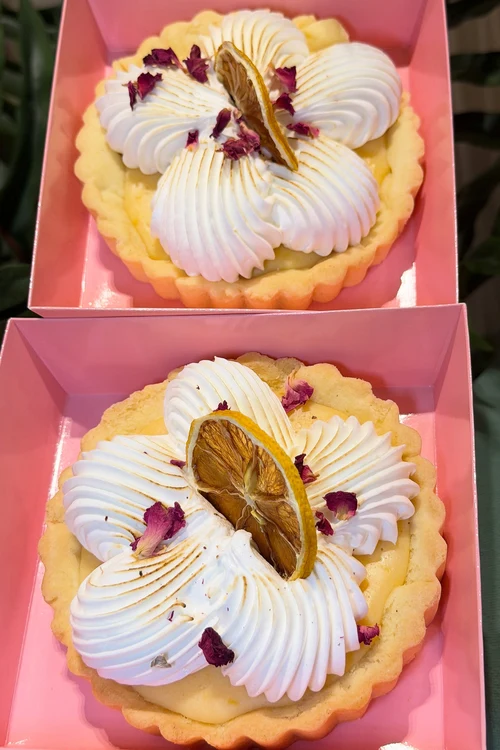
Image Credit: @thetrainline_
Mascarpone: Mascarpone melts into the lemon like sweet cream, giving a filling that tastes mild, silky, and almost buttery at the edges. It sets softly, so slices lean a little, and its quiet flavor lets the lemon speak first. Choose it when the tart is the whole dessert and nothing competes with it.
Cream Cheese: Cream cheese brings a gentle tang and a firmer, cheesecake style set that slices in sharp, tidy wedges every time. Its flavor stands closer to the lemon, so the filling tastes brighter and a little bolder. Choose it for potlucks and warm rooms, where a soft set would slump and sulk.
My own table splits right down the middle on this one, which is why both versions stay in the rotation here. Mascarpone whispers and cream cheese answers back, and the honest winner depends on whether the evening wants elegance or appetite, a question only your guest list can settle tonight.
Party Platter Display Rules

Image Credit: @pfsarmiento
| DO | DON’T |
|---|---|
| Set tarts out thirty minutes before guests arrive | Leave the platter in a warm kitchen all afternoon |
| Group flavors in clusters of three for a pattern | Line every tart in stiff rows like a shop shelf |
| Put the tallest garnishes at the back of the board | Bury small tarts behind big fruit and flowers |
| Keep small plates and forks within reach of the platter | Make guests carry tarts across the room in bare hands |
Platters fail quietly, through warm rooms and crowding rather than through any flaw in the tarts themselves on the day. Build the board where guests already gather, keep the reserves cold, and refill in small rounds, so the last tart served looks as composed as the first one that left the kitchen.
Brunch Table Serving Facts
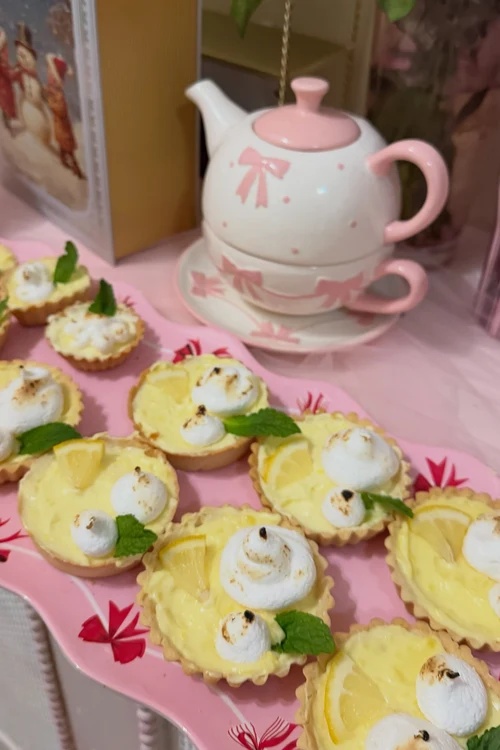
Image Credit: @_dar_tima
Cost: Moderate, mostly the mascarpone and fresh lemons for the batch.
Time Needed: Ninety minutes of work, plus an unhurried chill.
Difficulty: Easy, one shell and one whisked filling per batch.
Result: Bright slices that hold beside coffee and eggs.
Brunch suits these tarts because they ask for nothing hot, nothing last minute, and no carving in front of an audience. Plate them beside berries and coffee while the eggs cook, and the sweet course is quietly finished before the first guest has even found a seat at the table.
Honey Drizzled Rustic Tops

Image Credit: @manukadoctorau
Warm honey poured in a slow ribbon does something glaze cannot, pooling in the filling’s soft hollows and catching the light like amber glass. Use a mild honey here, because a bold varietal bullies the lemon, while a gentle one rounds it and adds a floral hum underneath every bite.
Drizzle at the table if you can manage it, since honey slowly sinks and dulls as the tarts sit waiting their turn. A squeeze bottle gives the cleanest ribbons, and one confident pass over each tart beats three hesitant ones that flood the rim and run down the shell sides.
Two Bite Mini Versions

Image Credit: @dabbling.in.dittany
- Fill mini shells only to the rim, because small tarts overflow faster and bake unevenly when they are mounded high.
- Start checking at twelve minutes, since minis set in the time a full size tart needs to warm through.
- Serve them in clusters on a cake stand, where the small scale reads as generous instead of skimpy.
- Plan on three minis per guest, because two bite desserts vanish faster than anyone admits before the party.
- Chill minis on the tray they will travel on, so the tiny shells never get handled twice and cracked.
Small tarts change the social math of dessert, because a guest can taste one, then another flavor, without the commitment of a full slice. Set out two versions side by side and watch people trade halves and opinions, which turns the end of dinner into the liveliest part of the evening.
Pistachio Crusted Rims
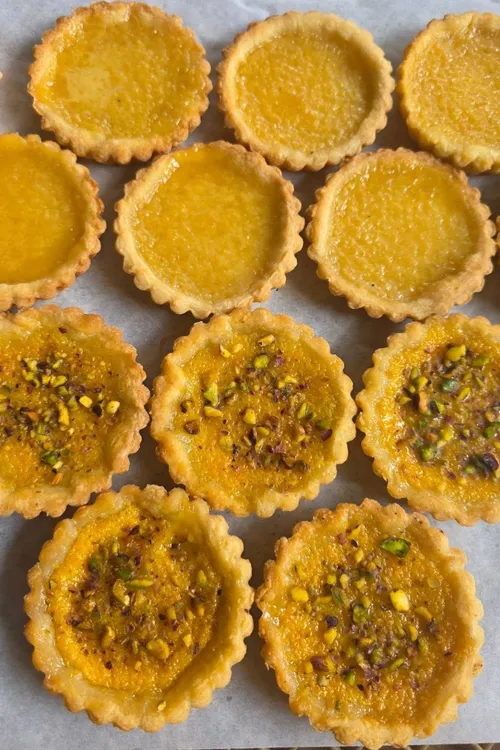
Image Credit: @dannysbread
Quick Tip: Brush the baked rim with a whisper of warm honey, then roll the edge through finely chopped pistachios before filling. The honey glues the nuts without softening the shell, and the green ring frames the pale filling. Work over a tray so the strays get reused, not swept away.
Pistachio brings a buttery crunch that plays against the silk like a frame around a picture in a gallery. Buy the nuts already shelled and unsalted if you can, because salt fights the lemon, and hand chopping keeps the pieces uneven in the rustic way this version wears so well.
From Soggy To Crisp

Image Credit: @taste_team
Before: The base bends when the tart is lifted, soft and pale underneath, and the filling soaks a little deeper with every hour it waits. Guests eat around the middle and leave the rim, and the baker pretends not to notice the quiet pile of abandoned crusts beside the plates.
After: A blind bake taken two shades darker and a thin egg wash seal change the base into something that snaps audibly. The tart lifts clean from its tin, the bottom stays golden and dry, and the rim gets eaten first by people who usually save their crusts for somebody else.
Sogginess is a moisture schedule problem, solved by sealing the base and filling the shells as late as the day allows you. Fill no earlier than the morning of serving, keep the tarts uncovered in the fridge, and the last slice on the tray stays as crisp as the first.
Mirror Shine Lemon Glaze
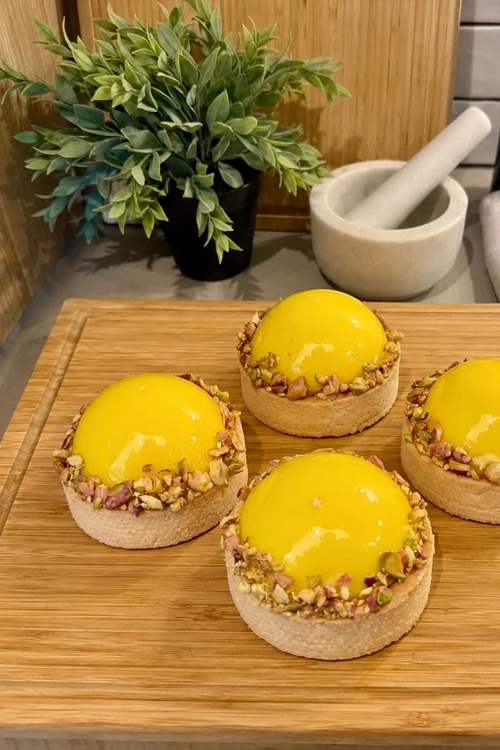
Image Credit: @mepseats
- Whisk powdered sugar with lemon juice one spoon at a time until the glaze falls in slow, thick ribbons.
- Warm the glaze for ten seconds so it levels itself across the chilled filling without dragging or tearing.
- Pour a spoonful at the center of each tart and let it walk to the rim on its own weight.
- Tilt the tart once, gently, to coax the glaze into any bare corner, then set it down and stop touching it.
- Rest the glazed tarts for twenty minutes uncovered, until the surface turns glassy and no longer takes fingerprints.
A mirror glaze forgives a filling that set a little unevenly, hiding small swirls under one calm sheet of shine for good. Keep the layer thin, because a thick glaze tastes like candy and buries the mascarpone, while a thin one reads as pure lemon light across the whole top.
Fresh Vs Bottled Juice

Image Credit: @mytipsycloset
- Brightness: Fresh juice tastes alive and floral, while bottled reads flat and slightly cooked beside it in the same filling.
- Control: Fresh lemons vary by season, so taste and adjust; bottled stays consistent from one batch to the next one.
- Zest: Only fresh fruit gives you zest, and the zest carries more lemon perfume than the juice itself ever will.
- Backup value: A bottled jar in the pantry rescues a midnight craving when the fruit bowl holds exactly two lemons.
My honest rule is fresh for the filling and bottled only in an emergency, because the zest alone justifies the squeezing most days. Lemons keep for weeks in the fridge crisper, so a standing bag means the emergency almost never arrives, and this bright little tart stays truly itself all year.
Chill Serve Slice Rules

Image Credit: @liliebakery
DO: Chill the tarts for a full three hours before the first cut, and slice with a thin knife warmed under the tap and wiped between cuts. Cold filling parts cleanly around the blade, so each wedge shows a sharp line where the pale lemon meets the golden shell below it.
DON’T: Never slice a tart that has sat in a warm room softening, because the filling slumps and the wedge loses its shape on the way to the plate. Skip the serrated knife too, since its teeth drag the surface into ridges that no glaze or berry can politely hide afterward.
Serving is the last craft in this dessert, and it rewards the same patience and care the filling received earlier on. Cold tarts, a warm knife, and unhurried cuts turn a home tray into bakery case slices, the kind guests photograph before they ever lift a fork to eat.
Conclusion
Twenty three tartlets later, the pattern is clear: great lemon mascarpone tartlets balance a buttery crisp shell with a filling that tastes bright first and rich second, never heavy or dull.
Start with the classic glazed version, keep a freezer batch ready for surprise guests, and save the torched meringue for the night you want applause. Pin this collection, share it with a fellow lemon lover, and tell me which tart your table asked you to make twice in one week. In my experience, the blueberry crowned ones are always the first tray emptied. My chocolate malt cupcakes offer the same sweet, nostalgic bake-sale comfort.