Why Is My Dal Watery And Tasteless? Easy Fix Guide
A pot of watery dal can still taste good, but the texture lets it down. Thin broth pools around the lentils, the rice swims, and the spoon never coats the way it should. The fix usually comes down to time, mashing, or water.
This guide walks through each fix in order, from cooking to tempering to serving. You need no special tools, just a little patience and pantry staples. Most thin pots thicken with one or two small changes. A gentle simmer beats a hard boil every time. For a bread loaf that collapses instead, see the bread loaf fixes for a tall even rise.
Why Dal Turns Thin

Dal turns thin for three main reasons: too much water, too little time, and no mashing. Extra water never cooks off in a covered pot. A short simmer leaves the lentils whole, and whole lentils cannot thicken the broth around them.
The good news is that each cause has a simple fix. Once you see which one hit your pot, you can correct it before serving. Think of dal as a dish that rewards patience, not speed. A few small changes make a big difference here. Your patience shows in every thick ladle.
Cook Lentils Fully

Lentils must cook until they start to fall apart. Firm lentils hold their shape and leave the broth thin. Soft lentils break down and thicken the pot on their own, with no extra help. Cook them longer than you think you need.
- Rinse lentils well, then soak for thirty minutes if you have time.
- Simmer gently, never at a hard rolling boil.
- Cook until the lentils split and look creamy, about 25 minutes.
- Skim any foam that rises, since it can taste bitter.
Mash for Body

Quick Tip: Mash a ladleful of dal against the pot wall with a spoon, then stir it back in. The crushed lentils release starch that thickens the pot naturally. This trick adds body without changing the flavor at all.
Mash more for a thick pot, less for a lighter one. Stir the mash in well and simmer five more minutes so it blends smoothly. In my experience, mashing beats flour for dal every time, and it keeps the dish gluten free. The texture turns rich and spoon coating.
Simmer It Down

Common Mistake: Many cooks keep the lid on for the whole cook, trapping every drop of steam. The pot looks full, but the first ladle runs like soup across the plate.
The Fix: Take the lid off for the last fifteen minutes and let the broth reduce. A gentle uncovered simmer thickens the dal while the flavors grow deeper.
Stir often so the bottom never scorches as the pot thickens. Keep the heat at a soft bubble, not a rolling boil. A little patience here turns a thin pot into a rich one. Watch the spoon coat and stop when it clings. Trust the simmer.
Fix the Water Ratio

What You Need:
- Lentils: one cup, rinsed and picked over.
- Water: three cups to start, with more held back.
- Turmeric: half a teaspoon for color and warmth.
- Salt: added near the end so lentils soften faster.
- Ghee or oil: one spoonful carries the tempering.
Start with less water than you think you need. Lentils release starch as they cook, so the pot thickens on its own. You can always add a splash later, but a flooded pot takes far longer to fix. Measure first and the pot stays in control.
Tadka Adds Thickness

Before: The dal simmered plain, tasted flat, and stayed thin no matter how long it cooked. The spices sat on top, and the bowl looked dull and unfinished.
After: A hot tadka of ghee, cumin, garlic, and chili hit the pot with a sizzle. The fat carried flavor through the dal, the spices bloomed, and the bowl looked rich and ready.
Tadka is more than flavor; the hot fat adds body to the pot. Heat ghee until it shimmers, add cumin seeds until they pop, then garlic and dried chili. Pour it over the dal and cover at once to trap the aroma. Work quickly, since tadka burns in seconds.
Balance the Spices

Do This:
- Bloom spices in hot ghee before they meet the dal.
- Add salt near the end so lentils soften fully.
- Finish with lemon juice for brightness.
- Taste and adjust heat after the pot thickens.
Avoid This:
- Do not add raw spices to a finished pot.
- Do not salt at the start, since it slows softening.
- Do not boil the dal hard after the tadka.
- Do not skip the rest time before serving.
Spices need heat and fat to wake up fully. Raw spices taste dusty, while bloomed spices taste warm and deep. A good tadka and a final squeeze of lemon lift the whole pot. Balance heat, salt, and acid in every single pot. Trust your tongue here.
Lentil Types Matter
Time Needed: About 40 minutes, plus soaking time.
Difficulty: Beginner friendly with easy steps.
Cost: Uses lentils and spices you already own.
Best For: Weeknight dinners and make-ahead lunches.
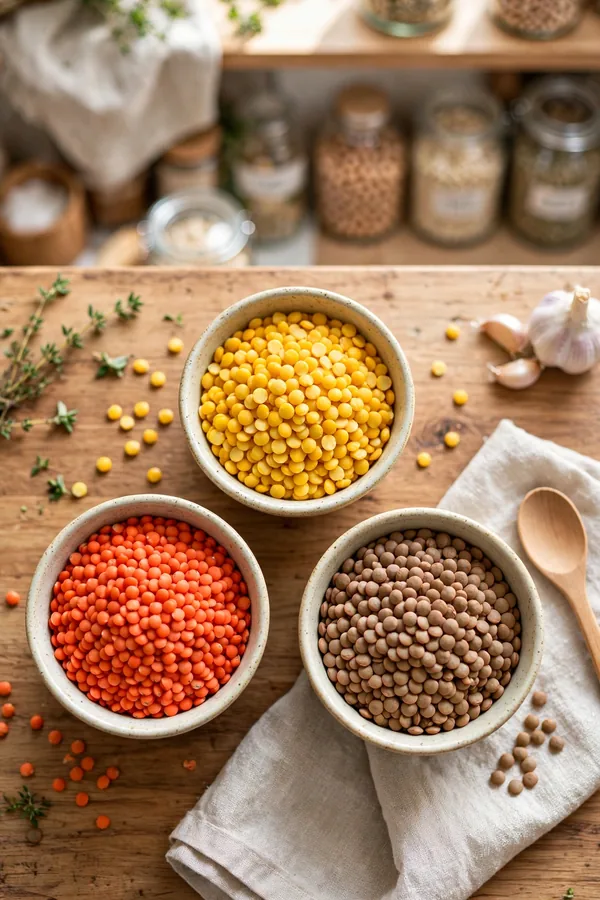
Red lentils break down fast and thicken the pot on their own. Yellow moong cooks soft and creamy, while brown lentils hold shape longer. Match the lentil to the texture you want, and the pot follows. Read the packet before you start cooking. Small choices matter.
Rest Before Serving

Dal needs a short rest just like a stew does. Pull the pot off the heat, cover it, and let it sit for ten minutes. The lentils settle, the broth thickens, and the flavors come together.
Resting also lets the tadka aroma sink through the pot instead of escaping. Stir once before serving so the texture looks even. A short pause makes the bowl look and taste better. Ten quiet minutes are all it takes. Try it once and you will rest every pot. Serve the dal hot with rice or bread.
Rescue Thin Leftovers

Leftover dal often thins out in the fridge as the starches relax. Do not worry, since a quick reheat with a mash brings it right back. The rescue takes ten minutes and no special tools. Start with the gentlest fix and stop as soon as it coats.
- Reheat slowly on medium, stirring often so it heats evenly.
- Mash a ladleful against the pot wall and stir it in.
- Simmer uncovered for ten minutes until the spoon coats.
- Add a fresh tadka if the flavor tastes flat.
Next Dal Checklist

Quick Tip: Keep this checklist near the stove for your next pot. A glance before cooking saves a rescue later. Soon the habits feel automatic, and every pot lands thick and rich.
Great dal comes from habits, not luck. Measure the water, cook the lentils soft, mash a scoop, and rest before serving. Check the spoon coat early, adjust the next pot, and enjoy a bowl that stays thick to the last ladle. That is a pot worth repeating.
Conclusion
Thick, comforting dal comes from fully cooked lentils, patient simmering, and a good mash at the end. Fix those three habits and watery dal becomes a rare mishap instead of the usual result. Start with the right water ratio, simmer uncovered, and mash a scoop well. Your next pot should coat the spoon, hold its spices, and taste rich to the last ladle. If another dish puzzles you, read the cheese sauce fixes for a silky smooth pour. Keep this guide handy and cook with confidence every single time at the table. Serve proudly.