How To Fix Watery Pasta Sauce That Won’t Stick? Easy Fix Guide
Watery pasta sauce slides right off the noodles and pools at the bottom of the bowl. The usual causes are under ripe tomatoes, too much added water, and pasta that went in soaking wet. Each one has a fast, simple fix.
You will learn how to reduce a sauce without scorching it, how starchy pasta water binds everything, and when a spoonful of cheese or cream is the right call. The fixes work for tomato, cream, and vegetable sauces alike.
Once the sauce clings the way it should, pasta night gets much better, and the next guide on cheesecake crust shows how to keep a cheesecake base firm and crisp.
Why Sauce Turns Thin

Sauce turns thin when water has nowhere to go, and fresh tomatoes are the main source. Fresh tomatoes release a lot of juice, and pasta straight from the pot carries extra water with it. A lid left on traps steam and keeps the sauce watery, so simmer uncovered and let the steam escape.
Low heat also works against you, since a gentle simmer never evaporates enough water. The fixes below either remove water, bind it with starch, or both, so the sauce coats instead of sliding. Reduction and starch together give the glossiest finish every time.
Tomato Sauce Reduction Basics

Reduction is the most reliable thickener, and it deepens flavor at the same time. Give it time and keep the heat steady, and do not season until the end. Simmer uncovered, stir often, and watch for the spoon trail. Follow these steps to reduce any sauce without scorching it.
- Simmer the sauce uncovered over medium heat.
- Stir every few minutes so the bottom does not catch.
- Let it reduce by about one quarter, or until a spoon leaves a trail.
- Taste and season only after reducing, since flavors concentrate.
Pasta Water Magic
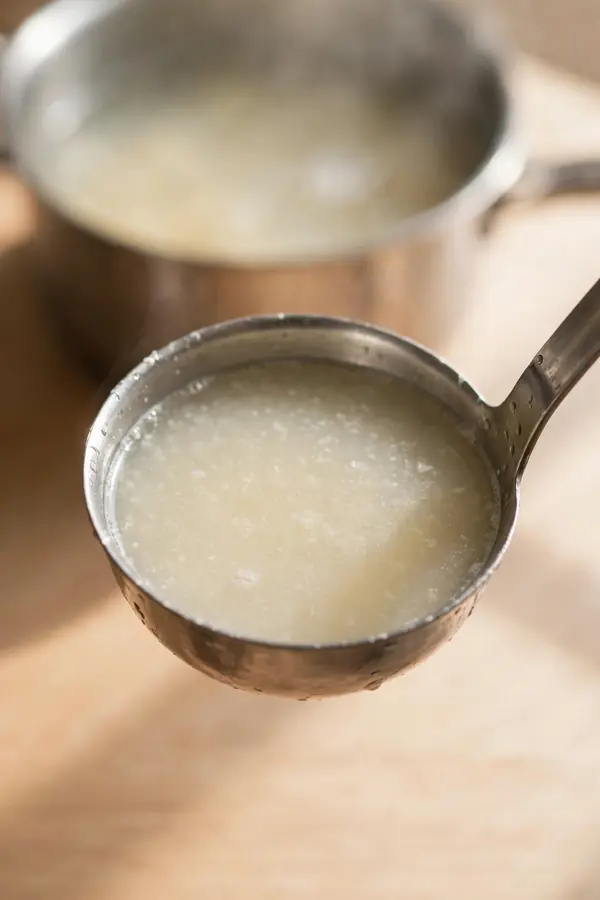
Quick Tip: Save a cup of pasta water before draining. The dissolved starch in that cloudy water binds sauce to noodles better than any thickener from a box.
Add the pasta water a splash at a time while tossing the pasta in the sauce over low heat. The sauce will turn glossy and cling to every strand. Two or three splashes are enough for a full pot. Toss for a full minute, and the coat will turn glossy.
Thickening With Starch

Common Mistake: Many cooks dump the pasta into a colander and rinse it, washing away all the starch. Then they pour thin sauce over dry noodles and wonder why it slides off.
The Fix: Move the pasta straight from the pot into the simmering sauce with tongs, and finish cooking it there for one minute. The starch stays on the noodles and pulls the sauce tight.
This method, called finishing in the sauce, is how restaurants get that glossy, clinging coat. It works for short shapes, long strands, and stuffed pasta alike. Move the pasta with tongs, finish it in the sauce for one minute, and serve at once. The starch on the noodles pulls the sauce tight around every piece.
Cheese And Cream Fixes

What You Need:
- Tomato paste: A tablespoon adds body and deep tomato flavor fast.
- Cornstarch slurry: One teaspoon of cornstarch mixed with cold water, stirred in and simmered.
- Grated parmesan: Melts into the sauce and thickens while adding salty depth.
- Cream or butter: A small splash enriches and helps the sauce coat the pasta.
- Bread crumbs: A spoonful of fine crumbs absorbs extra liquid in rustic sauces.
Use these thickeners one at a time, and let each one work before adding another. A single tablespoon of tomato paste often fixes a whole pot without changing the flavor. Taste after each addition, and stop as soon as the sauce coats the spoon. Patience beats piling on thickeners, and the flavor stays clean.
Simmering Without Scorching

Before: Before the fix, the sauce was a pale puddle under the pasta. The noodles sat on top, dry and bare, while the good flavor sank to the bottom of the bowl.
After: After reducing and finishing the pasta in the sauce, the same dish looks glossy and complete. Every strand carries sauce, and the bowl comes back clean.
The change takes only a few extra minutes, and it works for every sauce. Reduction plus starch is the whole secret, and it works every time you remember to use it. Reduce before seasoning, finish the pasta in the sauce, and serve at once. Keep the routine steady, and glossy sauce follows every time.
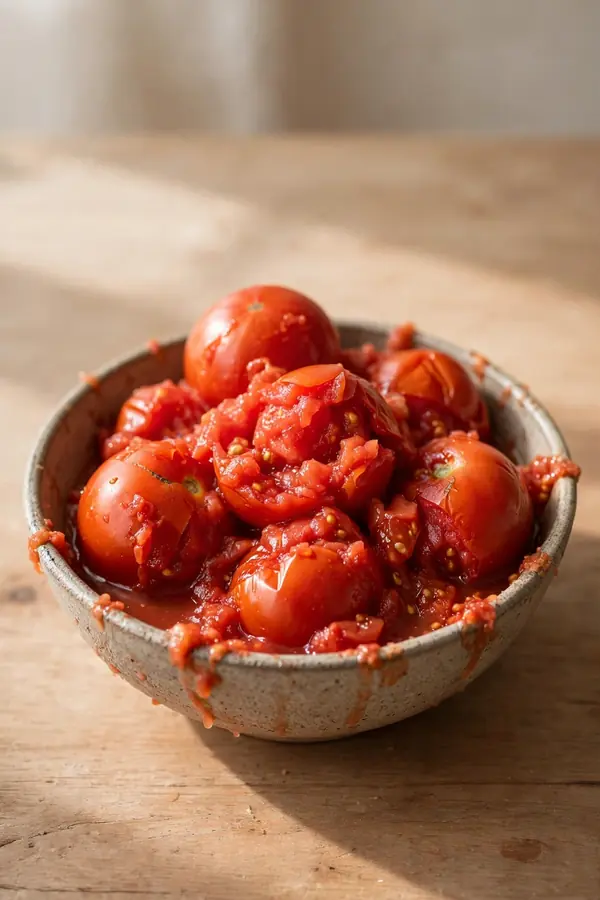
Choosing Thicker Tomatoes
Do This:
- Simmer uncovered to let water escape.
- Salt the pasta water well for better starch.
- Toss pasta and sauce together for one minute.
- Reduce before adding cheese or cream.
Avoid This:
- Do not rinse cooked pasta.
- Do not add cold water to thin a thick sauce.
- Do not boil a cream sauce hard.
- Do not season heavily before reducing.
These habits keep the sauce rich and clinging, and they work for every pot. Once they feel natural, you will never serve a puddle of sauce under bare noodles again. Simmer uncovered, save the pasta water, and finish the pasta in the sauce. Repeat the routine, and glossy sauce follows every time.
Binding Sauce To Pasta

- Time Needed: About 5 to 15 minutes of reduction.
- Difficulty: Easy, mostly stirring and tasting.
- Cost: No extra cost beyond pantry staples.
- Best For: Tomato, cream, and vegetable sauces.
Tomato paste thickens a pot in about two minutes, so it is the fastest fix. Cornstarch slurry needs a full boil to activate, then a short simmer. Pasta water is the gentlest binder, and it never dulls the flavor. Choose the thickener that fits your sauce, and add it slowly.
Fixing Watery Leftovers

Leftover sauce often separates and thins in the fridge, but reheating fixes it. Reheat it slowly in a pan, not the microwave, and stir in a splash of pasta water or a spoonful of tomato paste. It will come back together in minutes, and the flavor will stay bright. Stir gently as it warms.
If the sauce still looks thin, simmer it uncovered for five minutes and toss in the reheated pasta at the end. Fresh pasta water is not available, so a small cornstarch slurry can stand in for it. The slurry thickens fast, so add it slowly.
Serving Sauce That Clings

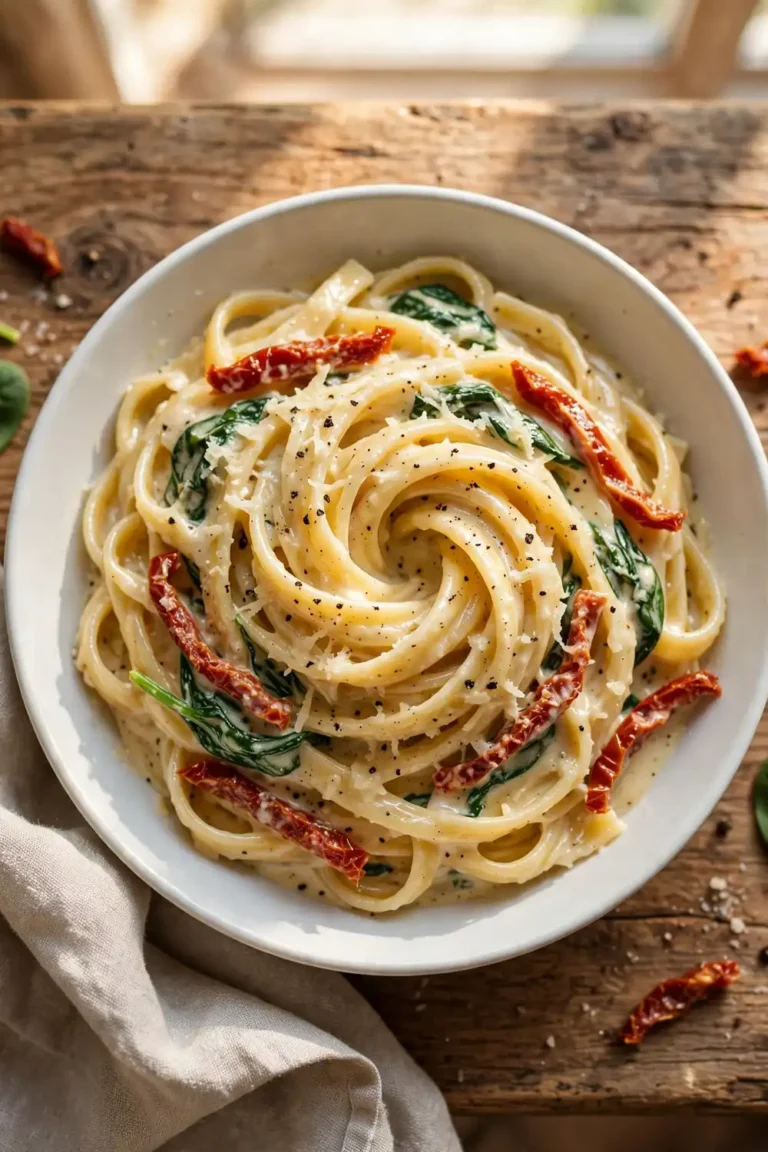
A sauce that clings makes the whole dish feel finished, so serve it well. Warm the bowls, toss the pasta in the sauce before plating, and finish with cheese and oil. A glossy coat and warm bowls make the dish feel polished. Follow these steps to serve sauce that clings.
- Warm the serving bowls so the sauce stays hot.
- Toss the pasta in the sauce just before plating.
- Twirl long pasta into nests for even coating.
- Finish with grated cheese and a drizzle of olive oil.
Preventing Thin Sauce
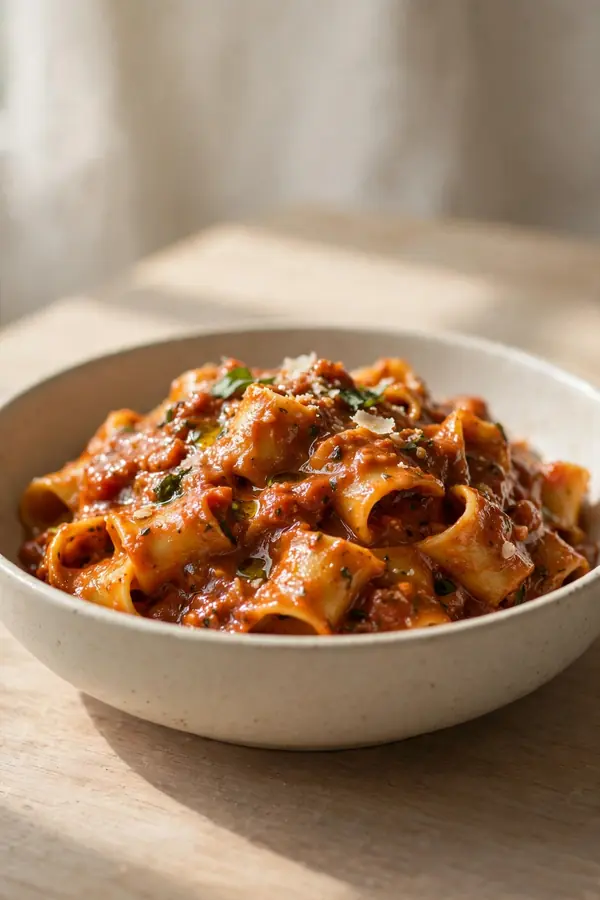
Quick Tip: Choose canned whole tomatoes and crush them yourself for the thickest base. Pre crushed products often contain added water that keeps sauces thin.
Start with less water than you think you need, since tomatoes release more as they cook. You can always thin a thick sauce, but fixing a watery one takes real work. Choose whole tomatoes, crush them yourself, and simmer uncovered. Keep the routine steady, and thick sauce follows every time.
Conclusion
A thin sauce is a quick fix, not a failed dinner. Remember that watery pasta sauce answers to reduction, starchy pasta water, and a one minute finish in the pan. Use those three tools and your pasta will come out glossy and well coated. Reduce before you season, save a cup of pasta water before draining, and toss the pasta in the sauce for the last minute. Those habits turn pasta night from a puddle into a polished dish. For the fix that came before this one, see the mushy rice guide for grains that cook up fluffy and even.