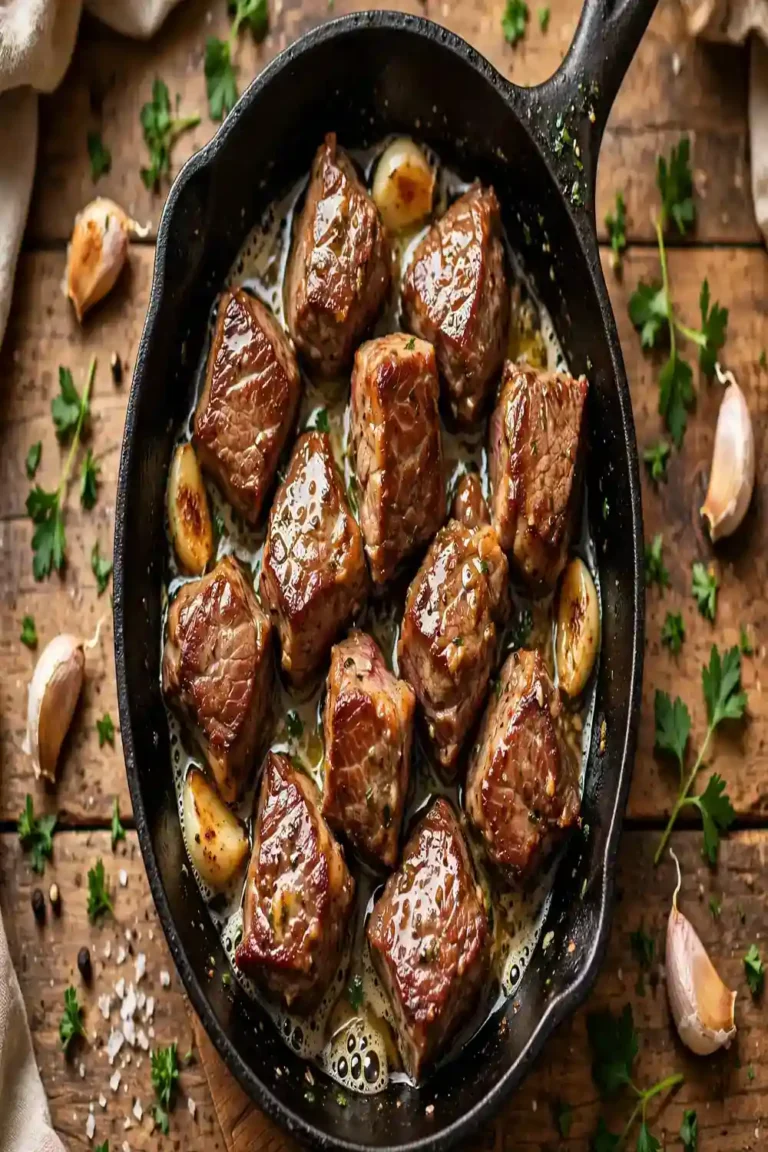
Why Are My Meatballs Dry And Hard? Easy Fix Guide
If your last batch of dry hard meatballs bounced more than it melted, you are not alone. Tough meatballs are one of the most common home cooking frustrations, and the fix is simpler than most cooks expect. The problem usually starts long before the pan heats up.
Small choices in mixing, moisture, and heat decide whether the center stays tender or turns rubbery. This guide walks through each fix in order, so you can rescue tonight’s batch and get the next one right. You need no special tools, just a lighter hand and a few pantry staples. For another common pot problem, see this watery chili guide for a thick, hearty fix.
Why Meatballs Turn Tough

Meatballs turn tough for three main reasons: overmixing, too little moisture, and too much heat. Overmixing tightens the proteins and squeezes out juice, the same way kneading bread builds structure. Lean meat with no binder dries out fast, and a screaming hot pan seals the outside while the inside overcooks.
The good news is that each cause has a simple fix. Once you see which one hit your batch, you can adjust the next round in minutes. Think of meatballs as gentle work, not a workout. A few small changes make a big difference.
Pick the Right Meat

Fat is flavor and moisture in a meatball. Very lean ground meat cooks up dense and dry, while a blend with some fat stays juicy. Aim for meat that is about 80 percent lean and 20 percent fat for the best balance.
- Choose ground beef labeled 80/20, or mix half beef with half pork for richer texture.
- If you only have lean turkey, add a spoonful of olive oil and an extra egg yolk.
- Chill the meat for 20 minutes before mixing so the fat stays firm and the mix stays loose.
- Skip pre-formed frozen meatballs when you can, since they often cook up rubbery.
Soak Your Breadcrumbs
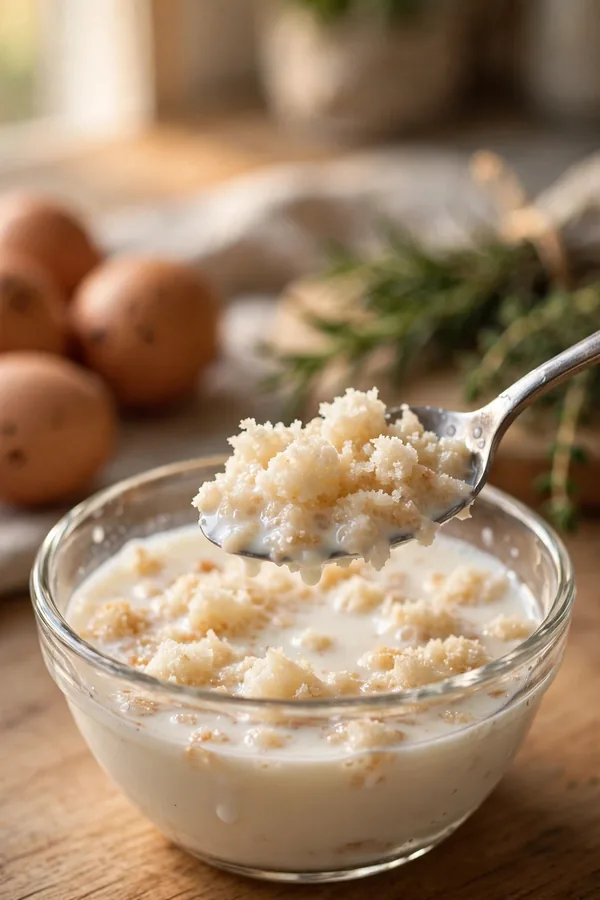
Quick Tip: Soak your breadcrumbs in milk for five minutes before adding them to the meat. The crumbs swell with liquid and release it slowly as the meatballs cook. This one step adds more tenderness than any other single trick.
Use about half a cup of crumbs per pound of meat, soaked in a quarter cup of milk. Squeeze out only the extra liquid, then fold the soft crumbs in gently. Dry crumbs tossed straight into the bowl soak up meat juices instead of adding moisture. Soaked crumbs keep the center soft and light.
Mix Gently, Briefly

Common Mistake: Many cooks mix the meat like bread dough, pressing and folding until it turns sticky and dense. That heavy hand builds tight protein bonds that squeeze out juice in the pan.
The Fix: Use a fork or your fingertips and stop as soon as the ingredients look evenly spread. A loose, slightly shaggy mix cooks up far more tender than a smooth, packed one.
Keep the bowl cold and work quickly so the fat never melts into the meat. If the mix starts to feel warm or greasy, chill it for ten minutes before rolling. A light touch here pays off in every single bite you serve tonight. Your patience shows in the texture.
Add Moisture Back

What You Need:
- Milk or buttermilk: a quarter cup soaks the crumbs and adds gentle richness.
- Eggs: one per pound binds the mix without making it rubbery.
- Fresh breadcrumbs: half a cup keeps the texture light and open.
- Grated onion: a small one adds juice and flavor with no chunks.
- Parmesan: two spoonfuls add savory depth and help binding.
Measure the wet ingredients before you start, so you never guess mid-mix. Too much milk makes the mix sloppy, while too little leaves it dry. When the mix holds a soft ball shape without cracking, it is ready to roll. Trust the feel more than the clock.
Size and Shape

Before: The meatballs came in every size, so the small ones dried out while the big ones stayed raw in the middle. Rolling took forever, and the batch cooked unevenly from pan to plate.
After: Every ball measures the same, about the size of a golf ball, and the whole tray finishes at once. The centers stay juicy, the outsides turn golden, and serving feels easy.
Use a small scoop or a tablespoon to portion the mix before rolling. Wet hands keep the surface smooth without pressing hard. Even sizing is a quiet habit that fixes more batches than any fancy tool. Even sizing helps sauce coat each piece the same way, so no meatball dries out while another stays pale.
Bake, Fry, Simmer

Do This:
- Roll with wet hands so the mix never sticks or packs down.
- Brown in small batches so the pan stays hot and dry.
- Finish in simmering sauce for ten minutes to add moisture back.
- Check one meatball first by cutting it open before serving the batch.
Avoid This:
- Do not press the mix into hard, dense balls.
- Do not crank the heat to rush the browning.
- Do not skip the rest time after cooking.
- Do not crowd the pan until the meatballs steam instead of brown.
Good habits at the stove matter more than any single ingredient. A calm pace, a hot but not smoking pan, and a short simmer turn a basic mix into a tender dinner. Keep these moves in mind and the results repeat themselves week after week.
Sauce Saves Dinner

Time Needed: About 35 minutes from bowl to table.
Difficulty: Beginner friendly with a little patience.
Cost: Uses pantry staples you already own.
Best For: Weeknight dinners and make-ahead batches.
Meatballs reward a cook who plans a few minutes ahead. Chilling the mix, soaking the crumbs, and warming the sauce first all take little effort. Together they change the whole dish from dense and dry to soft and juicy. That is the whole secret, and it works every time.
Rest Before Serving

Fresh meatballs need a short rest just like a roast does. Pull them from the heat, spoon a little sauce over the top, and let them sit for five minutes. The juices settle back toward the center instead of running out on the first cut.
Resting also lets the sauce cling instead of sliding off. Serve the meatballs with the sauce spooned over, not drowned, so the crust stays golden. This small pause makes the plate look and taste better. Five quiet minutes are all it takes. Try it once and you will rest every batch.
Rescue Leftover Meatballs

Already cooked a tough batch? Do not throw it out. A gentle simmer in sauce can soften even firm meatballs, and a few tricks make them worth serving tonight. The rescue takes patience, not special ingredients, and it works on most batches.
- Slice the meatballs in half so sauce can reach the dry centers.
- Simmer on low in tomato sauce for 20 minutes with the lid on.
- Add a splash of broth or milk if the sauce thickens too fast.
- Serve over soft pasta or rice so every bite stays moist.
Next Batch Checklist

Quick Tip: Tape this checklist inside a cupboard door. Glance at it before every batch and the fixes become habit. Soon you will not need the list at all, because your hands will remember the lighter touch.
Great meatballs come from habits, not luck. Soak the crumbs, mix gently, keep the heat moderate, and rest the batch before serving. Check one meatball early, adjust the next round, and enjoy a plate that stays juicy to the last bite. That is a dinner worth repeating.
Conclusion
Tender meatballs come from gentle mixing, enough moisture, and heat that cooks without squeezing. Fix those three habits and dry hard meatballs become a rare accident instead of the usual result. Start with soaked crumbs, a light hand, and a thermometer, then let the sauce finish the job. Your next batch should slice softly, stay juicy in the middle, and hold together on the fork. If another dish puzzles you, read this salmon guide to learn what that white coating means. Keep this guide handy and cook with confidence every single time.