Why Does My Chocolate Mousse Turn Grainy? Easy Fix Guide
If your grainy chocolate mousse feels gritty on the tongue instead of silky, you are not alone. Many home cooks face this same dessert letdown, and the good news is that a smooth mousse is easy to learn.
The usual cause is chocolate that seized or cooled too fast. Tiny lumps form when hot chocolate meets cold cream, and rough stirring makes the texture worse. Gentle handling keeps the mousse smooth.
This guide walks you through each fix in order, from melting to folding and chilling, so your next batch turns out rich and silky. For a cookie rescue next, read our burnt cookies guide after this one.
Why Mousse Turns Grainy

Mousse turns grainy when chocolate sets into tiny bits. Overheating makes chocolate stiff and dull, while cold cream shocks warm chocolate into lumps. Both problems leave a rough texture. Seized chocolate turns rough fast, and a single drop of water can trigger the damage.
Hard stirring makes it worse by knocking air out and pushing lumps together. In my experience, the fix is patience: melt slowly, cool gently, and fold with a light hand. Cool the melted chocolate slowly and fold with a light hand to keep the texture smooth.
Melt Chocolate Smoothly
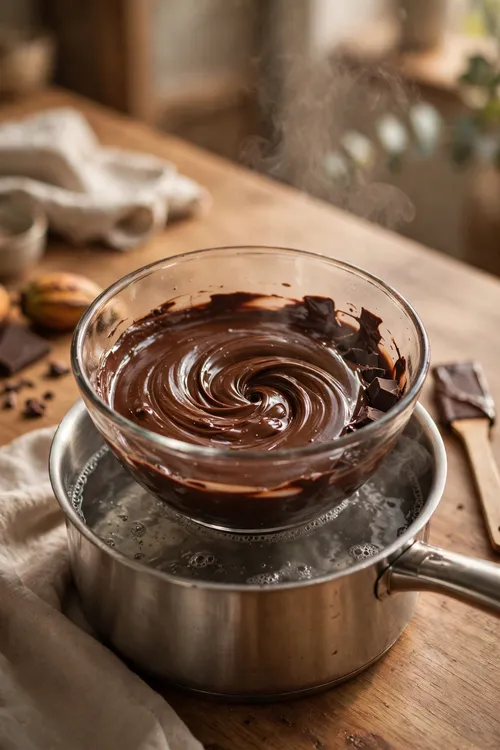
Smooth melting starts with low, indirect heat. A bowl set over simmering water melts chocolate evenly without scorching it. Use a bowl set over simmering water, never direct flame, for gentle heat. Stir slowly and stop the moment the last lumps melt.
- Chop the chocolate into small, even pieces.
- Set the bowl over simmering water, not touching the water.
- Stir slowly with a spatula until just melted and glossy.
- Remove the bowl from the heat as soon as the last bits melt.
Cool Before Mixing

Quick Tip: Let the melted chocolate cool until it feels barely warm to the wrist. Warm chocolate blends smoothly, while hot chocolate melts the cream and turns the mousse thin.
Stir the chocolate once or twice as it cools so it stays even. If a skin forms on top, stir it back in gently. Five to ten minutes of cooling is usually enough. Let the chocolate cool until it feels barely warm on the wrist.
Whip Cream Softly

Common Mistake: Many cooks whip cream until it stands stiff and dry. Stiff cream breaks into bits when folded, and the mousse turns grainy and heavy.
The Fix: Whip the cream only until soft peaks curl over when you lift the whisk. The cream should look thick but still smooth and glossy.
Cold cream whips faster, so chill the bowl and whisk first. Stop early, since you can always whip a few seconds more, but you cannot undo overwhipped cream. Chill the bowl and whisk for fifteen minutes before whipping. Cold tools whip faster and give softer, smoother peaks.
Fold Gently Always
What You Need:
- Heatproof bowl: Melts chocolate gently over simmering water.
- Spatula: Folds the mixture without knocking out air.
- Whisk: Whips cream to soft peaks and smooths small lumps.
- Thermometer: Checks that the chocolate has cooled enough.
- Fine strainer: Catches any lumps before the mousse chills.
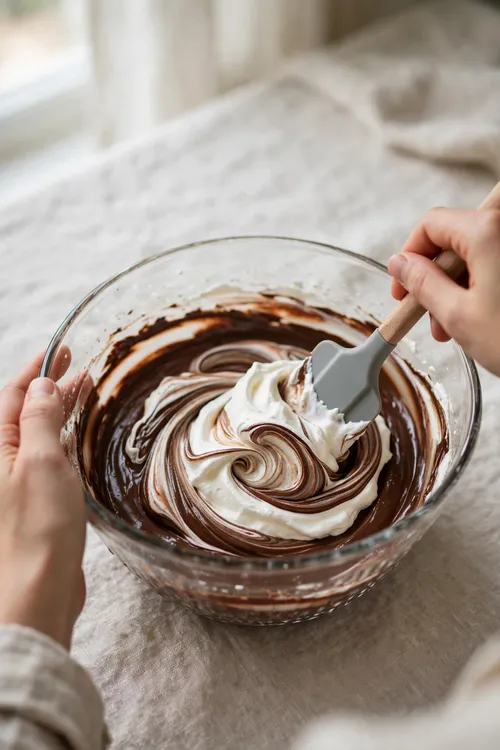
A spatula beats a whisk for folding. Its wide blade lifts the heavy chocolate up through the light cream, blending the two without deflating the mixture. Use a wide spatula and fold from the bottom up, turning the bowl as you go. A whisk knocks out air and makes the mousse dense.
Fix Grainy Mousse

Before: Before the fix, the mousse looked dull with visible lumps and felt rough on the tongue. It set firm and heavy in the fridge.
After: After the fix, the same recipe turns glossy and light, with a smooth surface and a melt in the mouth texture. Each spoonful now holds its shape, then melts cleanly without any grainy bite.
If your batch still looks grainy, warm it very gently over simmering water and stir slowly. A spoonful of warm cream helps the lumps melt back in. Chill it again once it looks smooth. Warm the grainy mousse very gently over simmering water and stir until smooth.
Chill For Silkiness

Do This:
- Fold in the cream in three parts, starting with a small amount to lighten the chocolate.
- Cut down the middle, scoop under, and turn the bowl a quarter turn.
- Stop folding as soon as no white streaks remain.
Avoid This:
- Do not stir in circles, since that knocks out the air.
- Do not add all the cream at once.
- Do not chill the mousse before folding is finished.
Gentle folding is the skill that makes mousse light. Each slow fold keeps the air in, and the finished mousse should look like soft, glossy clouds. Fold in small scoops of cream at a time, so the chocolate never seizes. Each fold should leave the mix light and glossy.
Pick Good Chocolate
Time Needed: About 30 minutes of work plus 4 hours of chilling.
Difficulty: Easy to medium, once folding feels natural.
Cost: Medium, since good chocolate is worth the price.
Best For: Dinner parties, holidays, and make ahead desserts.
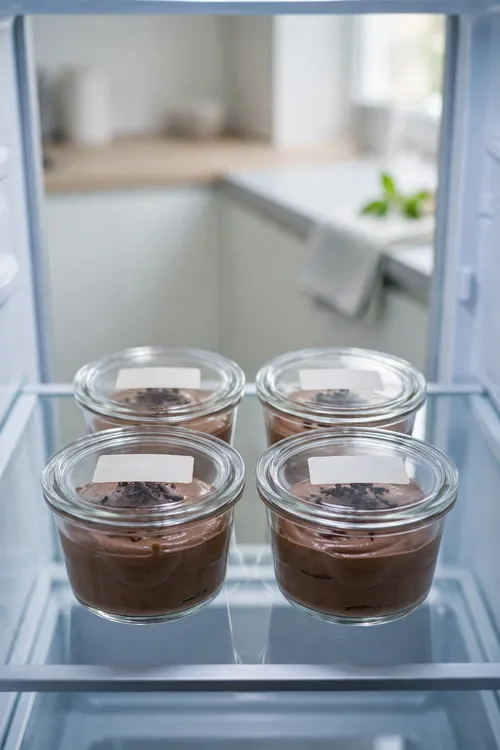
Chill the mousse in covered cups so the surface stays smooth. Cold air dries the top, so a lid or plate over each cup helps. Four hours gives a firm but silky set. Cover the cups with wrap pressed onto the surface, so no skin forms.
Serve Silky Mousse
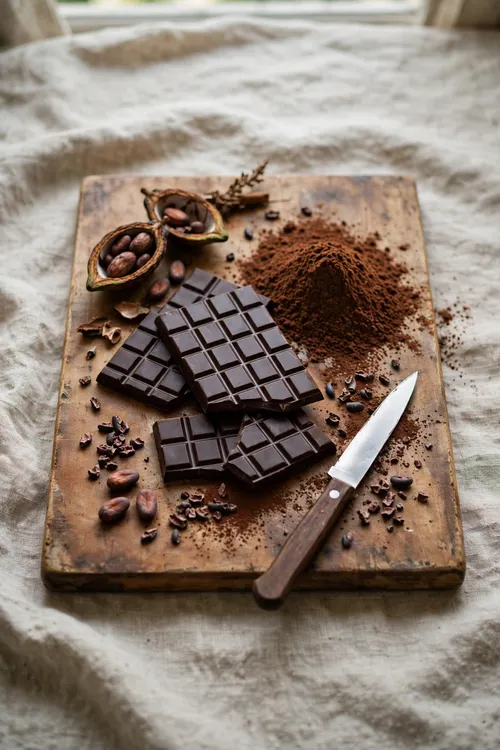
Good chocolate makes a real difference. Choose bars with 60 to 70 percent cocoa and a short ingredient list. Chocolate chips often contain stabilizers that melt less smoothly. Good chocolate with 60 percent cocoa gives the deepest flavor and the smoothest melt every time.
Taste a piece before you start. If the chocolate tastes waxy or flat, the mousse will too. A bar you enjoy eating plain will make a mousse you enjoy even more. Waxy chocolate never melts cleanly, so taste a piece before you start the full recipe.
Store Without Grain
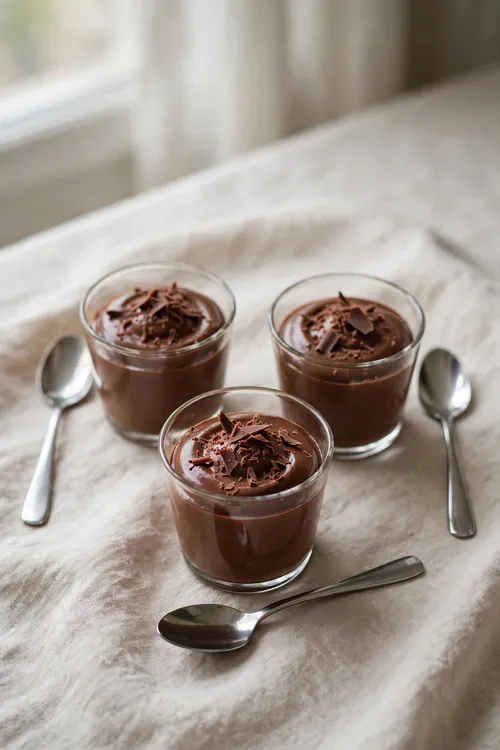
Serve mousse cold, straight from the fridge, with a light garnish. A few shavings of chocolate or a small dollop of cream show off the silky texture. Serve the mousse cold from the fridge, with a light garnish on top.
- Remove the cups from the fridge just before serving.
- Add a small spoonful of whipped cream on top.
- Scatter chocolate shavings over the cream.
- Serve with a small spoon so each bite feels rich.
- Keep extra cups chilled until the moment they are served.
Final Silky Check

Quick Tip: Lift one spoonful and watch it fall back. Silky mousse folds in a slow, glossy ribbon with no lumps or grit. If you feel grit, strain the batch and chill it again before serving.
This last check takes only a moment. A smooth spoonful promises a smooth dessert, and a quick strain now saves the whole batch. A smooth spoonful that falls back in a soft ribbon is ready to serve. If it still looks grainy, chill it longer and stir once before plating.
Conclusion
Fixing grainy chocolate mousse comes down to gentle melting, cool chocolate, and light folding. Those three habits turn a rough, lumpy dessert into one that feels silky and rich. Try them on your next batch and enjoy a mousse that melts on the tongue. Keep the melting gentle and the folding light every time you make this dessert, and silky mousse will become your normal result. A little patience with cooling and folding goes a long way, and your guests will notice the difference. For another baking rescue, read our fried eggs guide next.