Why Are My Cookies Hard After A Day? Easy Fix Guide
If your hard stale cookies turn into rocks, you are not alone. Overbaking, dry storage, and too much flour all harden them fast. The good news is that gentler baking and better storage fix it.
This guide covers baking, cooling, storing, and reviving. You will learn why the cookies harden and how to keep them soft. Every fix uses basic tools and pantry staples. The fix works fast for every cook.
Once your cookies stay soft, the next loaf may need the same care, so keep the banana bread fixes handy for a fully baked moist loaf with a soft tender crumb.
Why Cookies Turn Hard
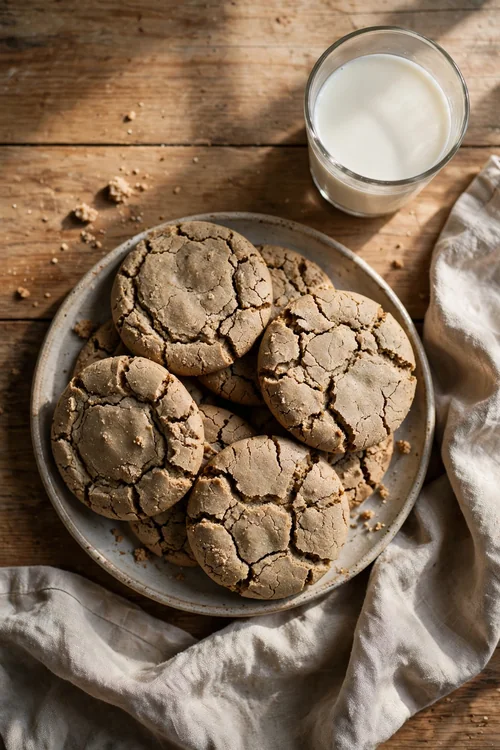
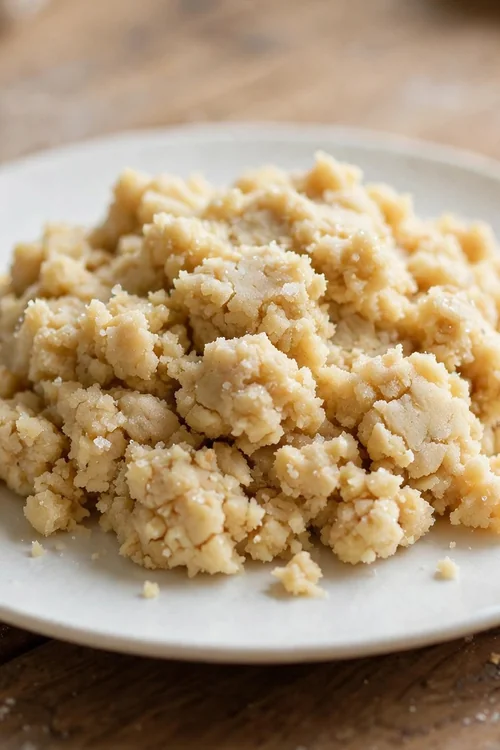
Most stiff cookies are overbaked, and the tray keeps baking them after they leave the oven. A cookie that looks fully set at removal turns hard as it cools, since carryover heat finishes the bake. Too much flour makes it worse, since dry dough bakes dry and crumbly. Measuring flour lightly is the first step toward a softer batch.
Air exposure hardens cookies further, so storage matters as much as baking. Pull the cookies early and seal them airtight while slightly warm. Soft cookies come from gentle baking and tight storage, not from extra butter or luck.
Bake Them Less

Underbaking slightly is the secret to soft cookies. Pull the tray when the centers still look soft and the edges are just set, then let the tray finish the job. The cookies firm up as they cool, and the centers stay tender. Follow these steps for tender cookies.
- Set the timer 2 minutes shorter than the recipe says.
- Pull the tray when centers look soft and glossy.
- Cool the cookies on the tray for 10 minutes.
- Move to a rack only after they firm up.
Store Cookies Right

Quick Tip: Store cookies with a slice of bread in the container. The cookies pull moisture from the bread and stay soft for days.
Storage decides how long cookies stay soft, so seal them well. An open container lets air dry them out in hours, while an airtight box keeps them tender. Let the cookies cool to slightly warm, then seal them before they dry out. The bread trick works well, and a tortilla slice does the same job.
Fix a Hard Batch

Common Mistake: Many cooks throw out hard cookies. Most batches can be softened in minutes with a little moisture and warmth.
The Fix: Warm with moisture. A damp paper towel in a covered container, or a few seconds in the microwave, softens the cookies.
Rescue works fast if you keep it gentle and patient. Microwave one cookie at a time for 10 seconds with a damp paper towel, and check before adding more time. For a whole batch, seal the cookies with a bread slice overnight. The cookies will soften by morning, and they will taste nearly fresh.
Measure Flour With Care

What You Need:
- A kitchen scale: the most accurate way to measure flour.
- Room temperature butter: creams smoothly and traps air.
- Brown sugar: holds moisture and keeps cookies soft.
- A parchment lined tray: stops sticking and bakes evenly.
- An airtight container: keeps cookies soft for days.
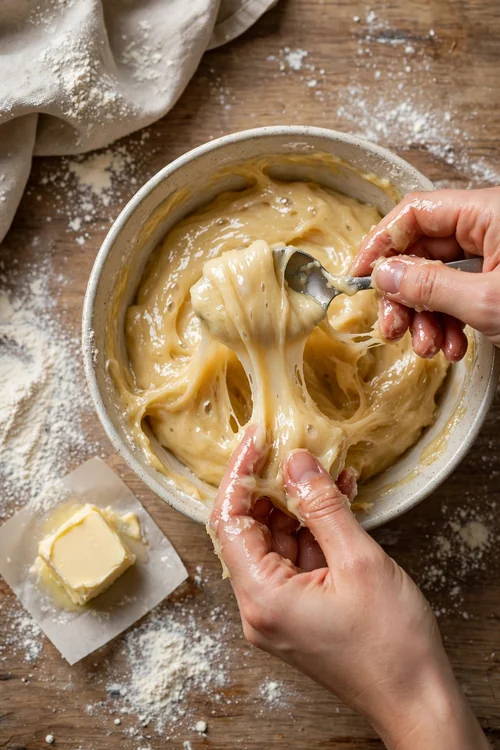
Flour is where most cookie problems start, so measure it with care. Scooping from the bag packs in extra flour and dries the dough early. Spoon the flour into the cup and level it, or use a scale for accuracy. Brown sugar also helps, since it holds moisture better than white sugar.
Before Hard After Soft
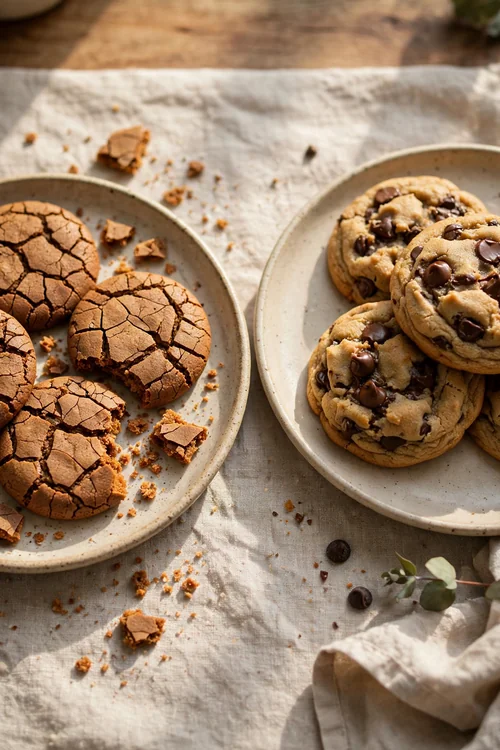
Before: The cookies are hard and dry. They crack when bitten, and the centers feel like rocks.
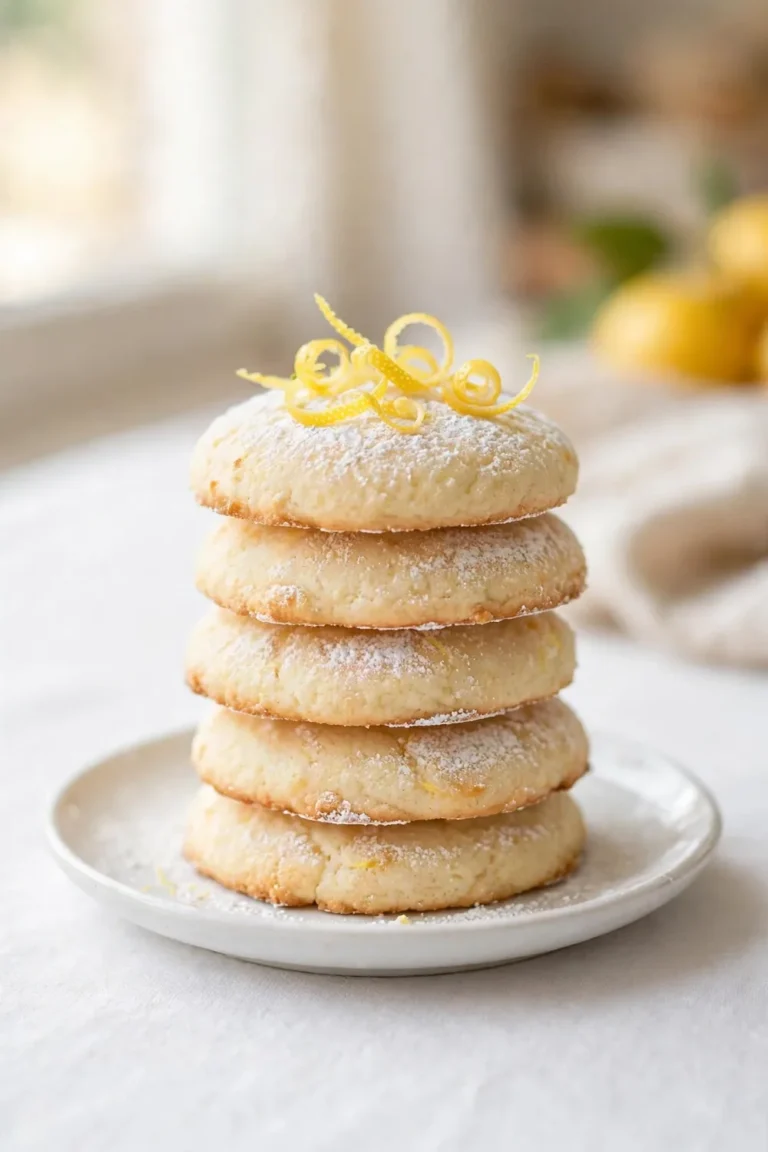
After: The cookies are soft and thick. The centers stay tender, and each bite feels fresh.
The change comes from less baking, careful flour, and tight storage, not from a new recipe. Pull the tray early, measure flour lightly, and seal the cookies while slightly warm. Those habits turn stiff cookies into soft ones, and the difference shows in the first bite. Keep the routine steady, and soft cookies follow.
Do and Don’t Basics

Do This:
- Pull cookies while centers look soft.
- Cool on the tray for 10 minutes.
- Measure flour by spooning and leveling.
- Store airtight with a bread slice.
Avoid This:
- Do not bake until fully firm.
- Do not scoop flour from the bag.
- Do not leave cookies uncovered.
- Do not overmix the dough.
These habits keep cookies soft from oven to plate, and they work for every batch. Gentle baking, careful flour, and tight storage are the whole secret. Once the routine is set, soft cookies become the normal result at your table, not a lucky accident. Repeat the routine, and soft cookies follow every time.
Quick Cookie Facts

Time Needed: 15 minutes baking plus 10 minutes cooling.
Difficulty: Easy, with basic tools.
Best For: Lunchboxes, gifts, and dessert tables.
Pro Tip: Chill the dough for thicker cookies.
Chilled dough spreads less, so the cookies bake thicker and softer in the center. Chill the scooped dough for 30 minutes before baking. The edges will set while the centers stay tender, and the cookies will look bakery thick. A short chill upgrades any batch with no extra effort at all.
Cool on the Tray

Cooling on the tray finishes the cookies gently. The hot tray firms the edges while the centers stay soft, and moving the cookies too soon can break them apart. Ten minutes on the tray is the right wait, and the cookies will firm up as they cool.
After ten minutes, move the cookies to a rack to stop the baking. If the cookies still feel too soft, give them two more minutes on the tray. The carryover heat does the last bit of work without drying the centers, and the cookies will hold their shape.
Rescue Stale Cookies
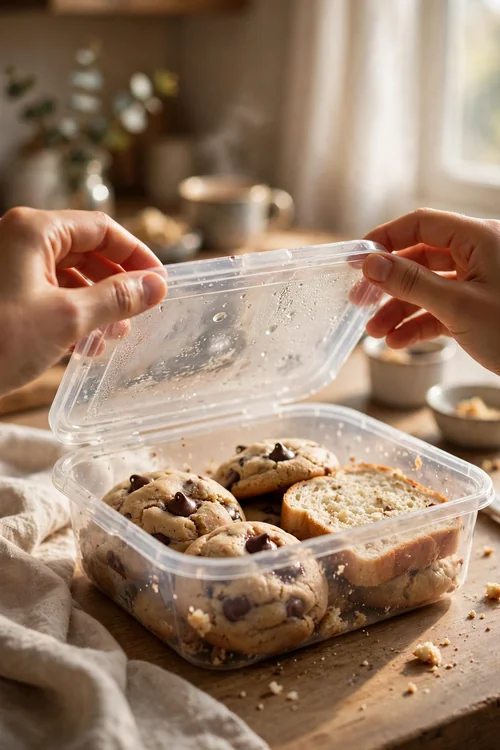
A stale batch can still be saved with moisture and time, so do not toss it out yet. A bread slice, a damp towel, or a quick warm up will soften the cookies without ruining them. Follow these steps to bring back soft, fresh tasting cookies tonight.
- Place the cookies in an airtight container.
- Add a slice of fresh bread on top.
- Seal the container and wait overnight.
- For fast rescue, microwave one cookie for 10 seconds.
- Serve at once while soft.
Serve Them Fresh

Quick Tip: Warm cookies for 5 minutes in a low oven before serving. The chocolate softens, and the cookies taste freshly baked.
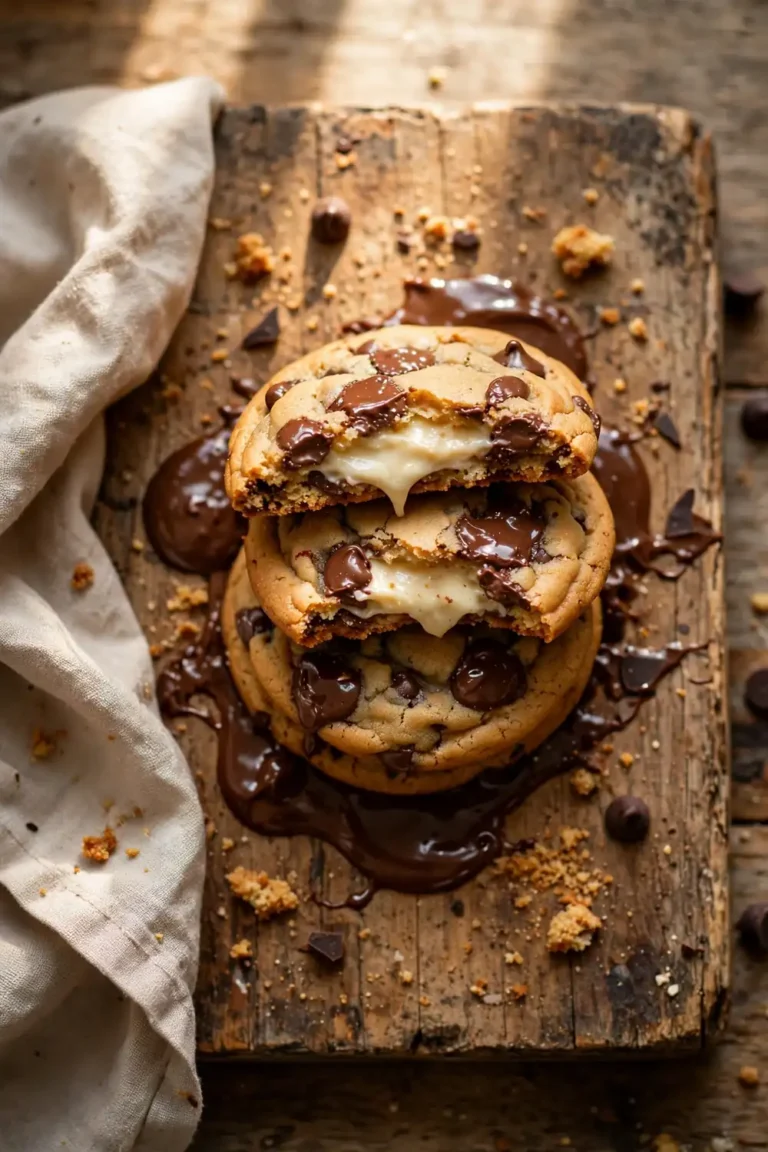
Serving warm makes any cookie taste better. A short warm up revives the texture and melts the chocolate chips. Serve the cookies on a warm plate, and keep the rest sealed until needed. The same batch will taste fresh to the last cookie, and guests will think it just left the oven.
Conclusion
Fixing hard stale cookies comes down to baking less, cooling on the tray, and storing airtight. Those three habits give soft, fresh cookies. Once they are routine, soft cookies take no extra effort.
Work through these fixes one at a time, and your next batch will show the difference. Keep notes on what worked, so the fix gets easier every time you cook.
Measure flour lightly, and pull the tray early. For another baked good that needs careful heat, see the hard paratha fixes, then enjoy your cookies while they are still soft.