24 Lustrous Mongolian Beef Ideas You’ll Brag About
Glossy, sticky, and edged with dark caramel, mongolian beef is the takeout favorite that home cooks keep trying to recreate, the one with tender strips, crisped edges, and a sauce that shines like lacquer on every bite at the table.
This collection gathers twenty four ways to build that signature shine, from the classic skillet version to spicy chili pans, slow cooker batches, noodle tosses, and meal prep boxes. Every version keeps tender strips, dark caramel edges, and a sauce that clings to every bite.
Pick the cut and style that fit your evening, slice everything before the pan gets hot, and keep the sauce ingredients within reach. Small habits decide the result, and every idea below shares the ones that matter most for glossy beef at home.
Classic Glossy Skillet
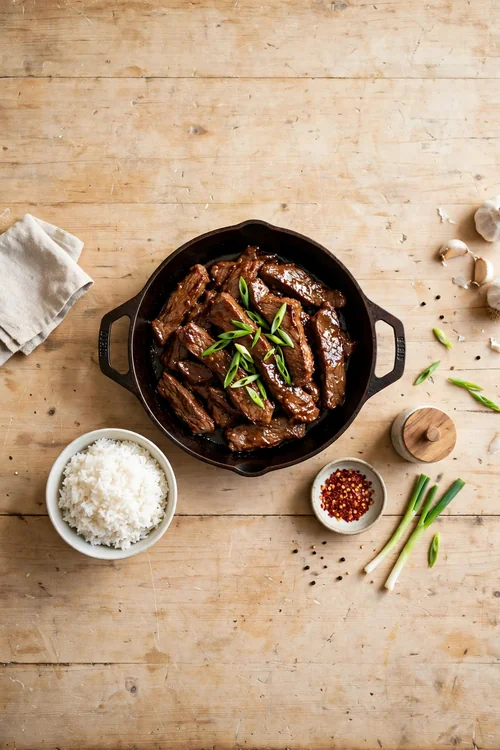
The classic version starts with flank steak sliced thin against the grain, so thin the strips almost curl on the board. A short soak in soy, garlic, and ginger lays the flavor base, while cornstarch dusted over the surface promises the crisp, lacquered edges everyone fights over.
Heat the pan until it just begins to smoke, then lay the strips down in a single layer and leave them completely alone. Ninety seconds of patience builds the crust, and one flip finishes the other side before the sauce goes in to bubble and thicken around every piece.
Brown sugar and soy reduce into a sauce so shiny it mirrors the window light, clinging to the beef instead of pooling under it. Serve it over plain rice with scallion greens on top, and the whole plate tastes like the takeout box, only fresher and hotter. And for peppery strips, my pepper steak sizzles nightly.
Crispy Edged Strips
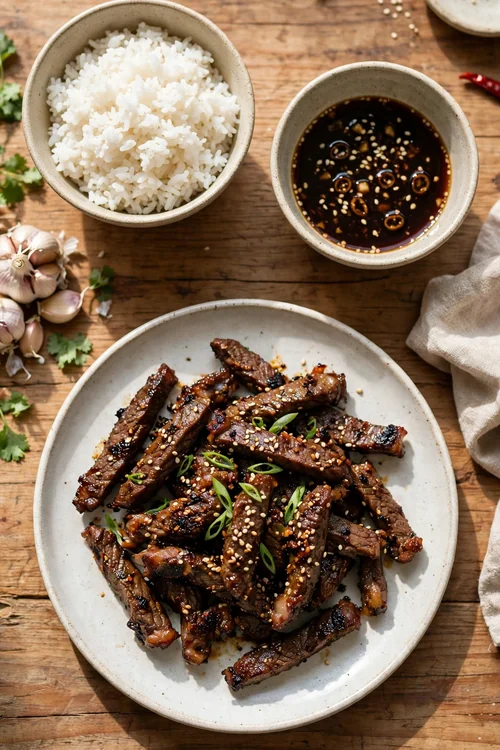
- Pat the marinated strips completely dry with paper towels, because surface moisture is the enemy of every crisp edge.
- Dust them lightly with cornstarch and shake off the excess, leaving only a whisper of coating on each strip.
- Fry in small batches in a wide, ripping hot pan so every piece touches metal instead of steaming in a pile.
- Let each batch sit untouched for a full minute before stirring, since the crust needs contact time to set and darken.
- Toss the crisped strips through the warm sauce at the very end, coating them without soaking the edges soft again.
The magic of this version is the contrast, shattering edges around tender centers, with the sauce shining on top like glaze on pottery. In my experience, crisp edges survive exactly one trip from pan to plate, so call everyone to the table before the final toss happens.
Spicy Chili Kick

Quick Tip: Bloom two teaspoons of chili flakes in the hot oil for twenty seconds before the beef goes in, so the heat turns fragrant instead of raw. Add one fresh chili at the end for brightness. Keep a plain rice bowl nearby for fire control.
Dried red chilies and a spoon of chili crisp turn the sweet sauce into something with a slow, building warmth that lingers pleasantly. The sugar in the glaze matters even more here, because it rounds the fire into flavor instead of letting the heat shout over everything.
Weeknight Takeout Copycat
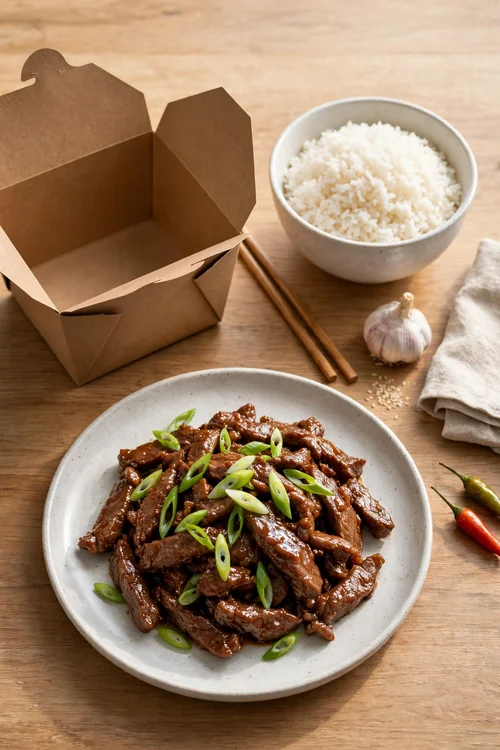
BEFORE: Takeout nights used to mean a forty minute wait, a soggy box, and beef that steamed itself pale inside the carton. The sauce arrived thin, the scallions arrived wilted, and dinner cost three times what the ingredients in my own fridge would have cost that night.
AFTER: Now the same dinner lands in fifteen minutes, strips seared dark and glossy, sauce thick enough to coat a spoon, scallions still bright. Everything cooks in one pan while the rice steams, and the box on the counter is just a memory of slower, pricier evenings.
The copycat secret is embarrassingly small: brown sugar for the caramel notes, cornstarch for the body, and heat high enough to matter. Master those three and the delivery app becomes a backup plan instead of a weekly habit your wallet quietly resents every single month.
Slow Cooker Tender
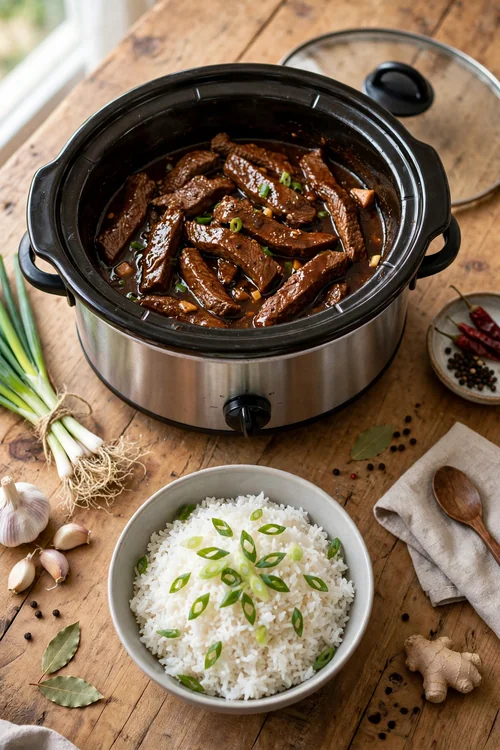
- Slice the steak and toss it with cornstarch, soy, garlic, and ginger right in the cooker insert, coating every strip.
- Pour in beef broth and brown sugar, then stir once so the sugar settles through the meat instead of clumping.
- Cook on low for four hours, until the strips are silky and the sauce has turned dark and glossy.
- Stir in a cornstarch slurry for the final twenty minutes if the sauce needs more body to cling properly.
- Rest ten minutes with the lid off, then serve over rice with scallions and a pinch of sesame.
The slow cooker trades crispy edges for a tenderness that borders on silky, the kind of beef that falls apart under a spoon. It is the version for busy days, when dinner must cook itself while life happens somewhere else entirely and nobody is watching the stove.
Skillet Versus Slow Cooker
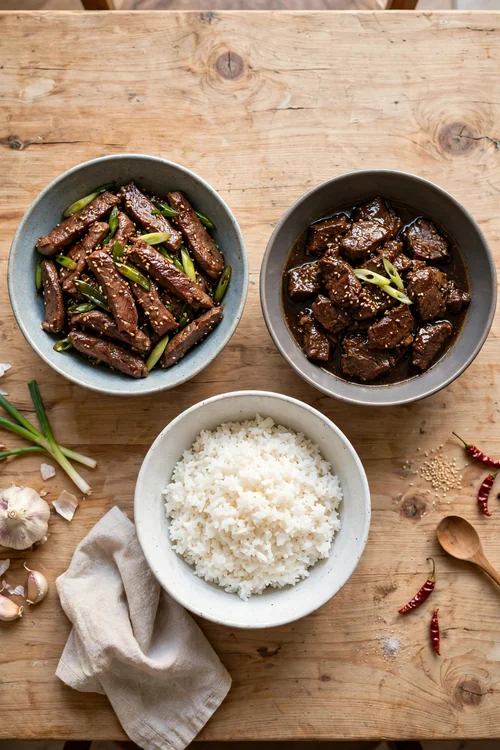
| Point | Hot Skillet | Slow Cooker |
|---|---|---|
| Flavor | Deep caramel crust with pan glazed richness | Mellow, braised depth with sauce in every fiber |
| Texture | Crisped edges around a tender center | Silky strips that pull apart softly |
| Time | Fifteen minutes from pan to plate | Four quiet hours, mostly unattended |
| Best Moment | Weeknights and takeout craving emergencies | Busy days and lazy Sundays |
Neither pan wins outright, because they answer different evenings with different kinds of comfort. The skillet gives you theater and crisp edges on demand, while the cooker gives you tenderness with no attention at all, and a smart kitchen keeps both versions in regular rotation.
Sauce Balance Habits
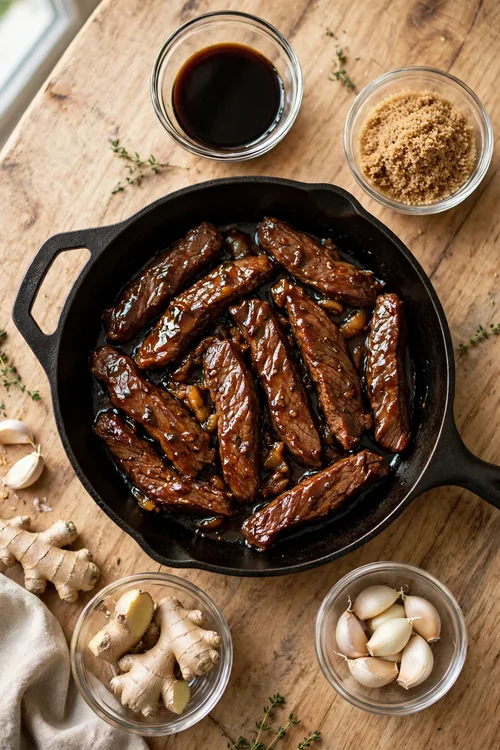
DO: Taste the sauce before it ever meets the beef, adjusting sugar, soy, and vinegar until sweet, salty, and tangy all speak at once. Reduce it in the pan until it coats a spoon, and add the scallion greens off the heat so they stay bright.
DON’T: Pour in extra sugar when the sauce tastes flat, because flat usually means it needs salt or acid, not more sweetness. Never boil the finished sauce hard after thickening, since a rolling boil turns the glossy coat dull and can toughen the strips in seconds.
Balance is a habit, not a recipe line, and it is learned one small taste at a time. Keep notes on the batch that made everyone quiet at the table, because that ratio of sweet to salty is your house signature from that night onward.
Fifteen Minute Facts
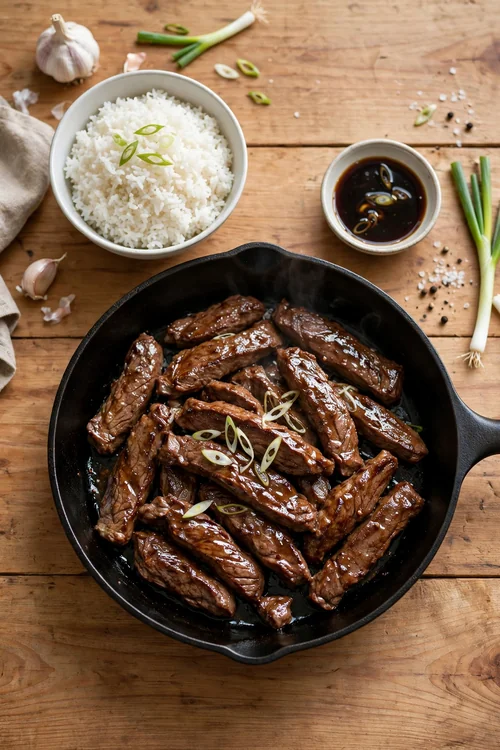
Cost: Moderate, one flank steak feeds four with rice
Time Needed: Fifteen minutes once slicing is done
Difficulty: Easy, one pan and fast hands
Best For: Takeout cravings on tired weeknights
Fifteen minutes sounds like a promise restaurants make, but at home it is mostly preparation doing the quiet work. Slices cut before work, sauce mixed in a jar, rice in the cooker, and dinner assembles itself the moment the pan reaches smoking heat at last.
Noodle Toss Night
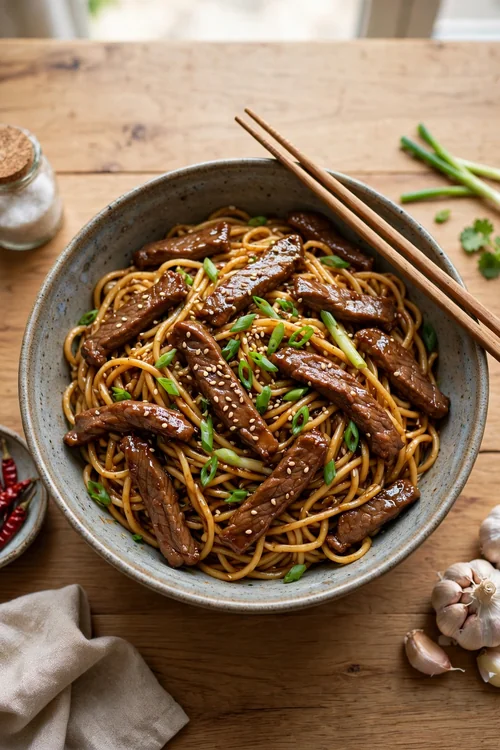
Noodles change the whole equation, turning a plate of beef into a full one pan dinner with chew and slurp. Wide wheat noodles or soft lo mein strands both work, soaking up the glossy sauce and carrying it into every twisted, steaming forkful you lift high.
Cook the noodles just shy of done, because they finish in the pan with the beef and sauce. A splash of their starchy cooking water loosens the glaze and helps it wrap the strands, the same quiet trick Italian cooks use for pasta on busy nights.
Toss everything over high heat for one loud minute, until the noodles shine and the beef threads through every layer. Serve it in deep bowls with extra scallions, and accept that seconds are not a possibility here but a promise the table expects you to keep.
Broccoli Loaded Pan

- Cut the broccoli into small florets with flat sides, so they char against the hot pan instead of rolling around.
- Blanch the florets for one minute, then dry them well, because wet broccoli steams the beef and thins the sauce.
- Sear the beef first and set it aside, giving the broccoli its own minute of fierce heat in the same pan.
- Return the beef with the sauce and toss for thirty seconds, just until the florets turn glossy and bright green.
- Shower the pan with sesame seeds and chili flakes at the end for crunch and a gentle hum of heat.
Broccoli earns its place by doing two jobs at once, soaking up sauce like a sponge while adding the crunch beef alone cannot give. It also stretches one steak across more plates, which makes this the version I reach for when extra chairs appear at dinner.
Ginger Scallion Shine
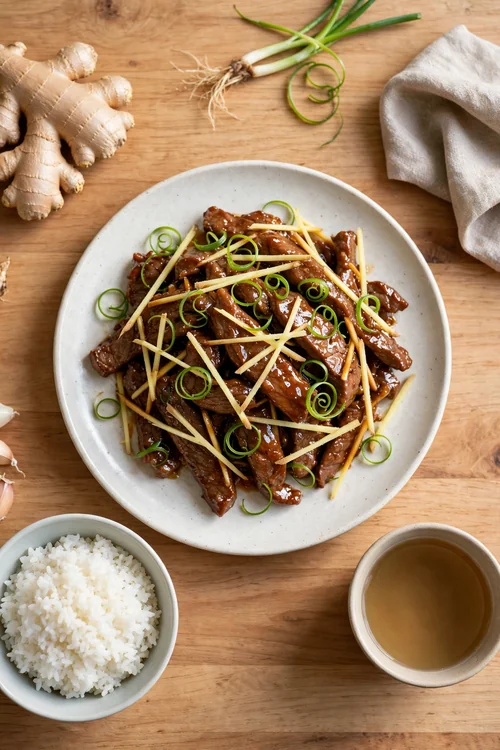
Quick Tip: Slice the scallions on a sharp diagonal and soak the curls in cold water for ten minutes so they twist into bright ribbons. Warm the ginger in the sauce for the last thirty seconds only. Raw heat fades fast, and freshness is the point.
Fresh ginger and scallion change the dish from heavy to bright, cutting through the sweet glaze with a clean, peppery snap. Add them at the very end, half stirred through and half scattered raw on top, so every bite carries both the cooked warmth and the fresh bite.
Dull To Dazzling
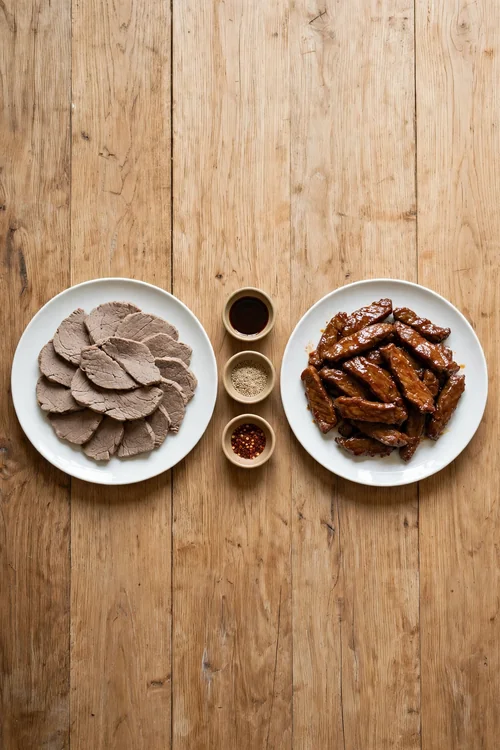
BEFORE: My first attempts were honest but dull, gray strips swimming in a thin, sweet water that slid off the meat and pooled sadly. The beef tasted fine in the way plain steak tastes fine, with nothing glossy, nothing dark, and nothing worth photographing or remembering later.
AFTER: Now the strips hit a smoking pan in small batches, the sauce reduces to a dark lacquer, and cornstarch gives the glaze its body. Every piece comes out shining, edged in caramel, with scallions bright on top and rice underneath catching whatever drips escape the chopsticks.
Three small changes did all of that: drier meat, hotter metal, and a sauce cooked down until it coats a spoon. None of them costs money or new equipment, which is why the dazzling version is the only version my kitchen bothers making anymore on weeknights.
Meal Prep Boxes
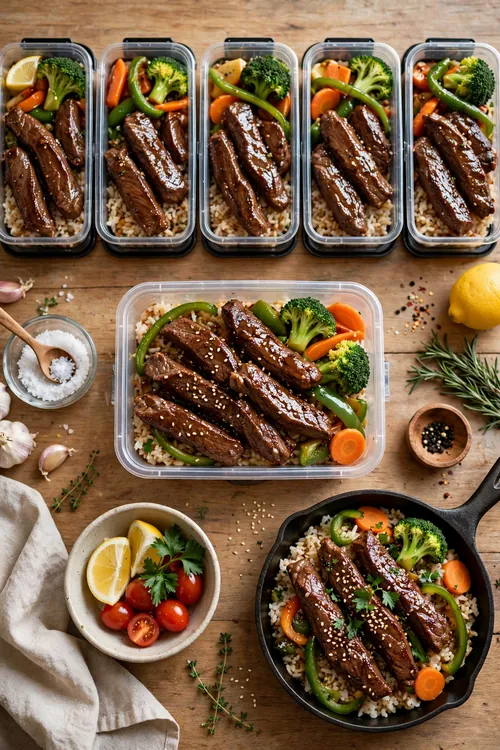
- Cook a double batch of beef on Sunday, letting the edges crisp properly instead of rushing the pan.
- Portion the beef over rice in four containers, keeping the sauce slightly thicker than usual for reheating.
- Add a fresh vegetable to each box, like cucumber ribbons or steamed broccoli, packed in a corner away from heat.
- Seal, label, and refrigerate for up to four days, freezing any box that will not be eaten by Thursday.
- Reheat with a splash of water and a loose lid, then finish with fresh scallions and sesame before eating.
Meal prep versions live or die on the reheat, and this one survives it because the sauce was built with body. The beef stays glossy on day three, the rice drinks the extra glaze overnight, and lunch at the desk quietly outclasses every takeaway nearby.
Flank Versus Skirt
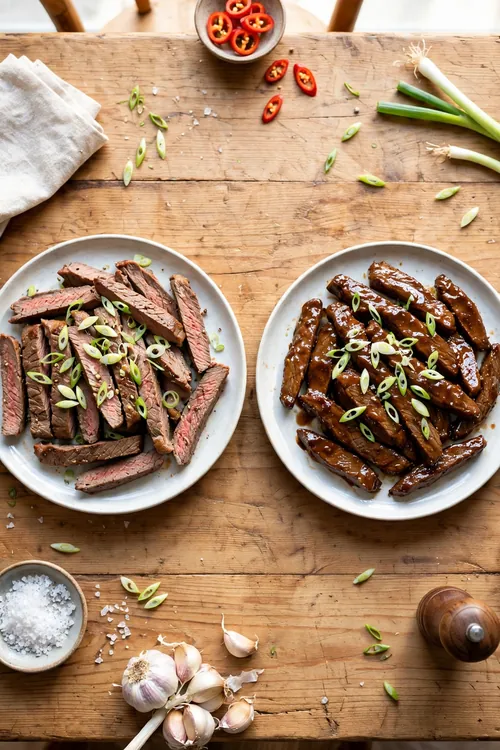
Flank Steak Lean: Flank is the classic cut for this dish, lean and wide grained, slicing into broad ribbons that drink marinade eagerly. Cooked fast and rested briefly, it stays tender with a clean beefy chew, and its flat shape makes those thin, even slices almost effortless to cut well.
Skirt Steak Rich: Skirt steak brings a looser grain and deeper fat, which means more flavor and edges that crisp like bacon in the pan. It marinades faster and cooks in a flash, but it toughens if it lingers, so pull it early and slice it thin against the grain.
Both cuts win on different nights, flank for tidy slices and company plates, skirt for deep flavor and fast weeknight pans. The marinade treats them the same, so let price and mood decide, and slice either one thin enough to see light through the edge.
Marinade Mistakes Fixed
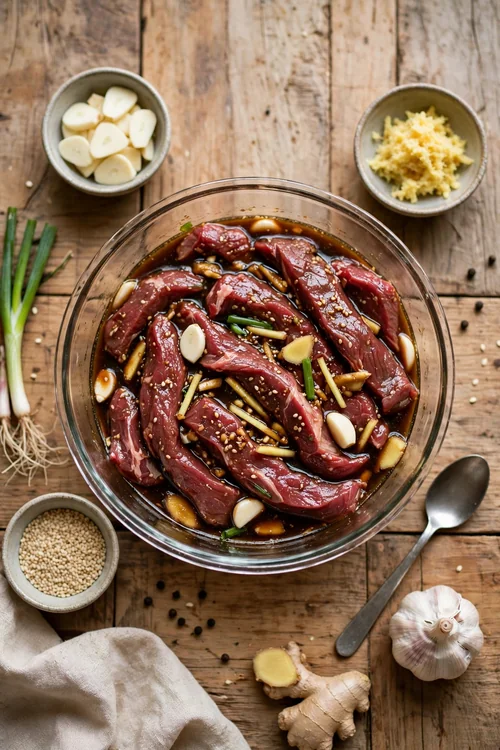
- DO: Slice the beef thin and even, so every strip marinades and cooks at the same speed in the pan.
- DO: Give the marinade at least thirty minutes, and two hours when the evening allows a slower start.
- DO: Add cornstarch to the marinade itself, so the velvet coat forms before the strips ever meet heat.
- DO: Taste and adjust the marinade bowl before the beef goes in, fixing balance while fixing is still free.
- DON’T: Marinade overnight in a salty mix without sugar, which can cure the surface and turn it firm.
- DON’T: Add raw beef to a cold pan and call the gray result a sear.
- DON’T: Use low sodium soy and then wonder why the finished sauce tastes washed out and thin.
- DON’T: Double the marinade for sauce without boiling it, since it held raw meat for hours.
Most marinade failures are really timing failures wearing a disguise, and every one of them is fixable tonight. Write the fix on the recipe card the first time it saves a batch, because memory fades but a note on the card survives every busy season.
Budget Batch Facts
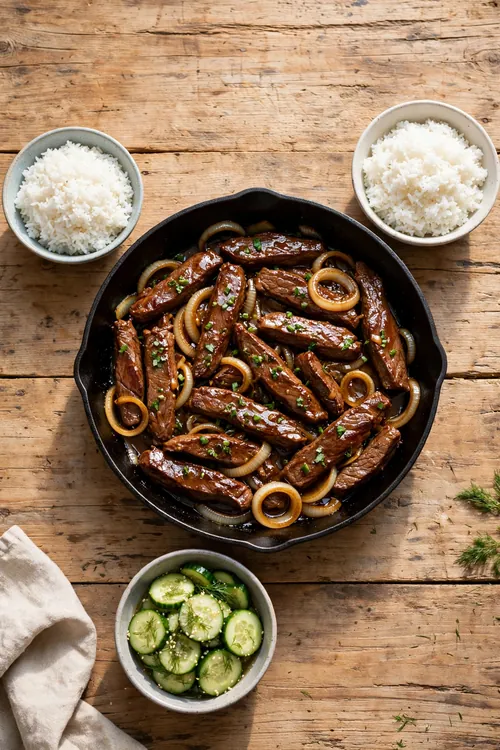
Cost: Low, one steak stretches across four plates
Time Needed: Twenty five minutes including slicing
Works In: Skillet, wok, or a wide cast iron pan
Pro Tip: Stretch the batch with onions and peppers
A budget batch is not a lesser batch, it is the same glossy beef wearing a smarter shopping list. Cheaper cuts, sliced thin and marinaded honestly, eat like the expensive version once the sauce shines, and nobody at the table has ever guessed the swap out loud.
Sweet Onion Caramel
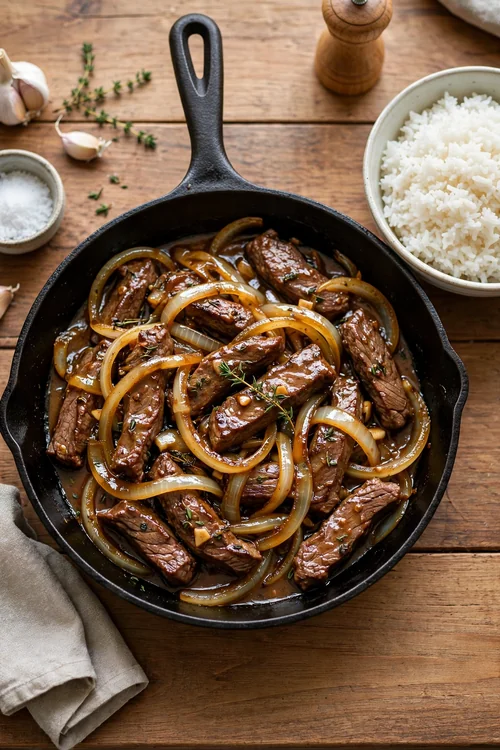
Onions are the quiet sweetener in this version, sliced thick and cooked low until they melt into golden ribbons. They borrow the sauce as they soften, turning jammy and rich, and they stretch a single steak into a pan that feeds the whole table comfortably tonight.
Start the onions ten minutes before the beef, in the same pan, so their sugars coat the metal first. When the strips go in, they sear against that sweet base, and the edges pick up a deeper caramel than sugar alone ever manages to give them.
The finished pan looks humble and tastes like a celebration, sweet onion strands tangled through glossy beef in every forkful. Serve it over rice or buttered noodles, and let the onions do the talking while the cook takes the credit for a very simple trick.
Pepper Trio Crunch
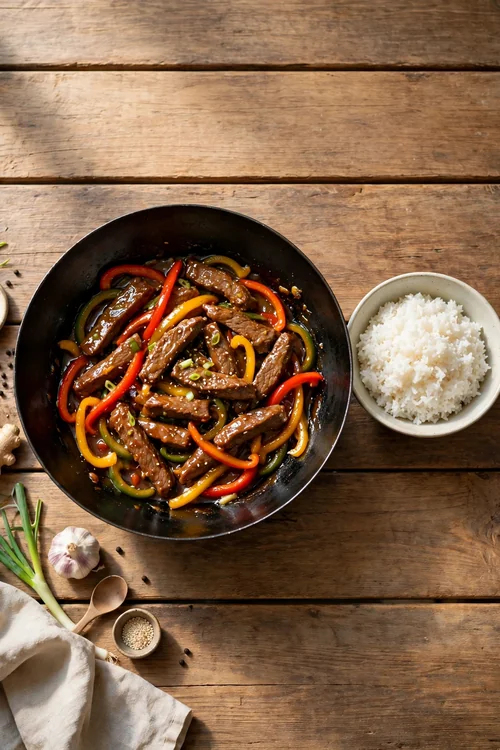
- Slice red, yellow, and green peppers into strips the same width as the beef, so everything cooks evenly together.
- Keep the peppers crisp by adding them after the beef sears, giving them two minutes of heat, never ten.
- A pinch of sugar in the pan wakes up the peppers’ own sweetness and helps their edges blister slightly.
- Black pepper, cracked coarse, belongs here more than anywhere, echoing the dish’s peppery grill house roots.
- Finish with a drizzle of sesame oil off the heat, since its aroma fades if it cooks too long.
Peppers turn this into the brightest pan in the whole collection, all color and crunch against the dark glossy beef. The contrast is the point, sweet peppers, rich meat, sticky sauce, so resist cooking them soft and let every bite snap a little at the end.
Sesame Finish Touch
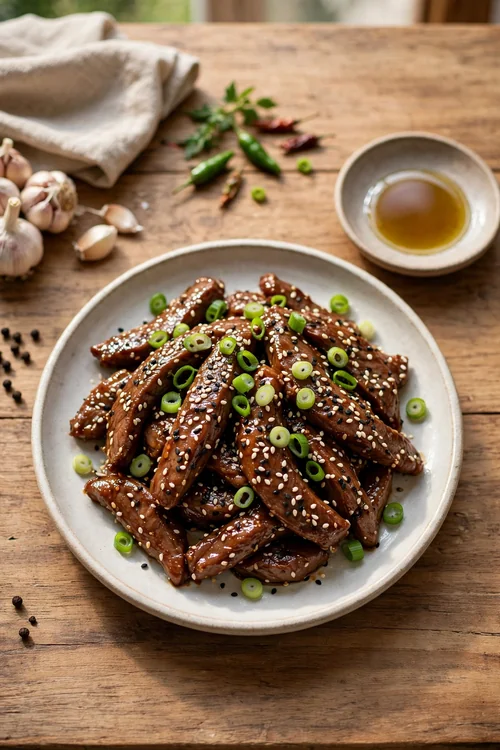
Quick Tip: Toast the sesame seeds in a dry pan for ninety seconds, until they smell nutty and turn pale gold. Sprinkle half through the beef while it is still in the pan, and save half for the plate. Warm seeds cling better than cold ones ever do.
Sesame is the smallest ingredient in the pan and somehow the one people notice first, a nutty perfume over every glossy strip. Use both white and black seeds when you have them, because the speckle looks like a restaurant garnish and takes ten extra seconds.
Dry To Saucy
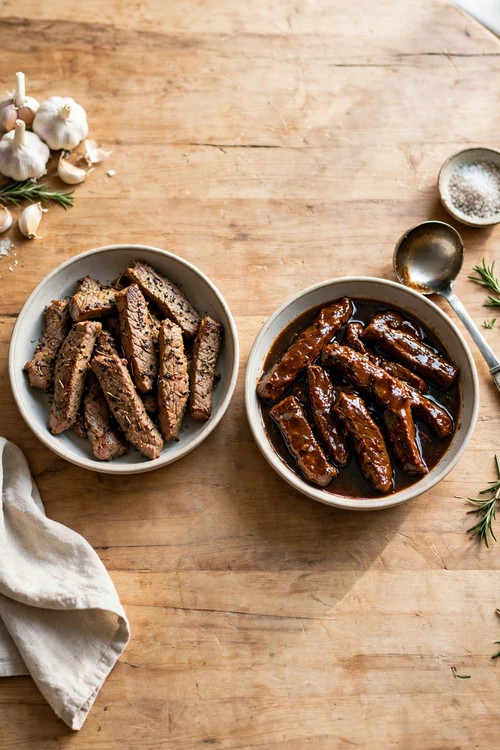
BEFORE: Served dry, the strips were good but plain, all sear and salt with nothing to carry the flavor across the rice. Each bite ended quickly, the plate looked sparse, and the rice sat untouched beside the meat like a side dish nobody had invited to dinner.
AFTER: With the sauce reduced and poured over at the table, the same strips turn glossy and generous, coating the rice as they go. Every bite now lasts, the plate looks abundant, and the last spoonfuls of rice become the bites people quietly compete for at dinner.
Sauce is not decoration on this dish, it is the delivery system for every flavor the marinade promised. Build a little more than you think you need, because rice is thirsty, noodles are thirstier, and nobody has ever complained about extra glaze in the bowl.
Rice Bowl Layers
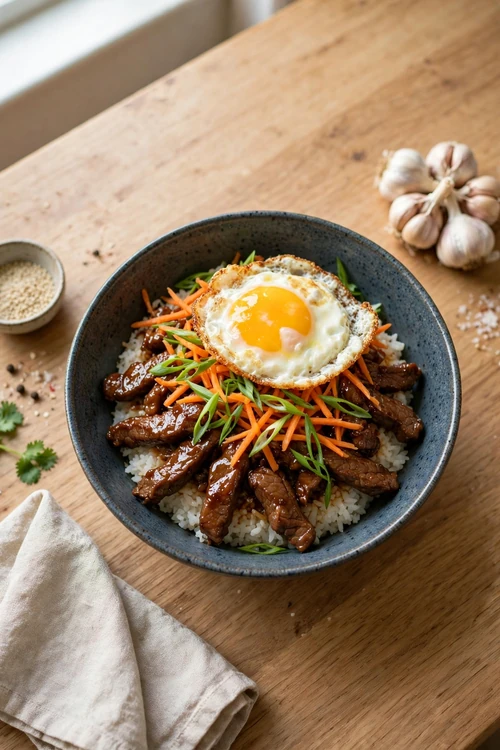
- Start with hot rice pressed lightly into a deep bowl, seasoning it with a pinch of salt and sesame oil.
- Lay the glossy beef strips across the top in a single fanned layer, spooning extra sauce over the rice edges.
- Add shredded carrots, cucumber ribbons, or steamed greens in their own sections for color and crunch contrast.
- Crown the bowl with a fried egg or a tangle of scallion curls, depending on the hour and the appetite.
- Carry it to the table unmixed, because the layering is the presentation and mixing is the eater’s pleasure.
A layered bowl eats like a small ceremony, each section distinct until the spoon starts traveling between them. It is the prettiest way to serve this dish for guests, turning one pan of beef into bowls that look composed, generous, and entirely worth photographing first.
Serving Style Picks
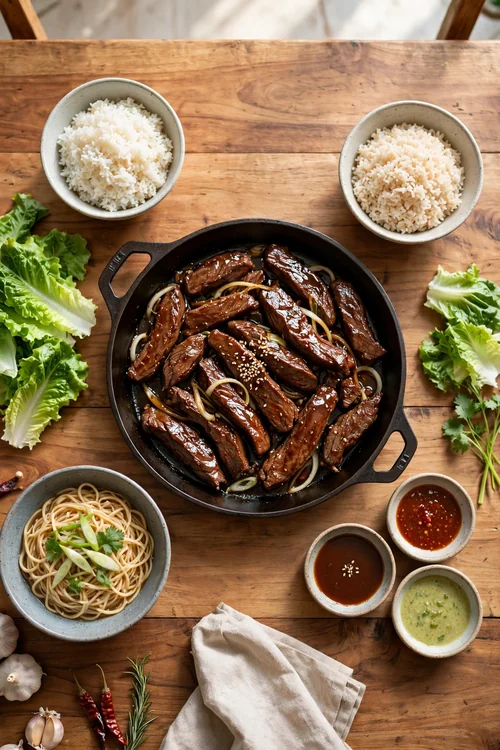
- Over Steamed Rice: The classic serve, where the rice catches the glaze and every spoonful carries beef, sauce, and grain together.
- Through Soft Noodles: The slurp serve, glossy strands tangled with strips for a fuller, cozier bowl on cold nights.
- In Lettuce Cups: The fresh serve, crisp leaves and warm beef, built for slow snacking and second rounds.
- Beside Fried Rice: The feast serve, two pans on the table and everyone building their own perfect plate.
The serve changes the meal almost as much as the sauce does, so rotate it and the same beef never repeats itself. Rice for comfort, noodles for ceremony, lettuce for freshness, and the feast spread whenever the table is full and the evening runs long.
Pan Heat Rules
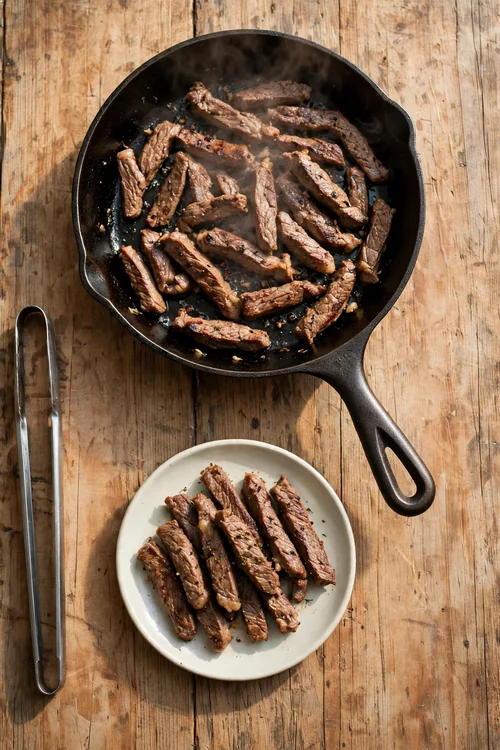
| DO | DON’T |
|---|---|
| Heat the pan until a flick of water dances and vanishes | Start the beef in a warm pan and hope for crust |
| Cook in small batches with space between every strip | Crowd the pan so the strips steam in their juices |
| Let the strips sit untouched for the first full minute | Stir constantly and tear the forming crust apart |
| Add the sauce only after the searing is finished | Pour sauce over raw beef and boil it gray |
Heat is the one ingredient you cannot buy, borrow, or fake, and this dish grades you on it honestly. Give the pan its minutes, work in batches, and the crust that restaurants charge for becomes the normal result in your own kitchen on any night.
Party Platter Facts
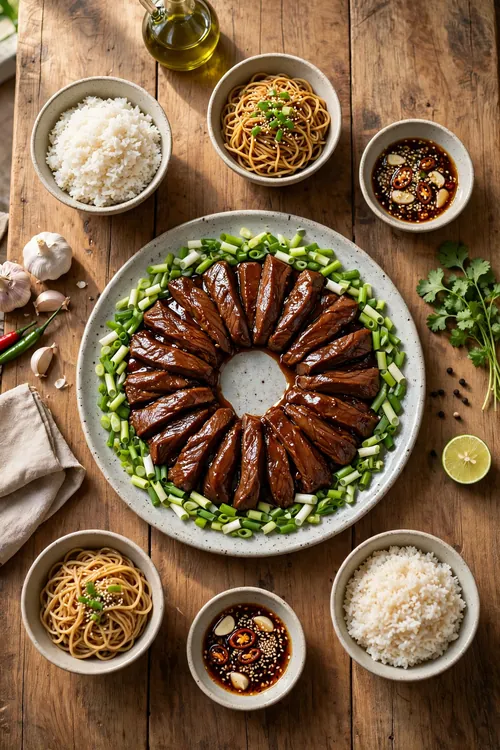
Cost: Low per guest, one big batch feeds eight
Time Needed: Thirty minutes of cooking for a crowd
Difficulty: Moderate, batch work at a hot stove
Pro Tip: Sear in waves so late guests get fresh crust
A party platter of this beef feeds a crowd like royalty for the price of two delivery pizzas. The marinade scales without complaint, the searing happens in waves, and guests build their own plates, which means the cook gets to actually enjoy the evening too.
Conclusion
Twenty four pans later, the lesson stays simple: thin slices, fierce heat, and a sauce balanced between sweet and salty turn an ordinary steak into mongolian beef worth bragging about. The dish asks for no rare ingredients and no special equipment, only a hot pan and a little confidence.
Start with the classic skillet version, then wander toward the chili heat, the slow cooker batch, or the noodle toss as your confidence grows. Save this collection for the next takeout craving, share it with a friend who orders this dish every time, and let one glossy pan start the habit. For taco night, my beef barbacoa steals the show.