21 Truly Hale Pepper Steak Ideas That Never Last Long
Some dinners earn a permanent spot in the rotation, and pepper steak is one of them in my house. Tender strips of beef, sweet bell peppers, and a glossy savory sauce come together in one pan, fast enough for a Tuesday and generous enough for company.
This collection gathers twenty-one versions, from the classic bell pepper skillet to Chinese takeout style, slow cooker pots, creamy mushroom pans, and spicy Cajun plates.
Each version keeps the heart of the dish and changes one thing that matters, like the pepper color, the sauce, or the heat. Save the ones that fit your week, your people, and your spice tolerance, because one of them will become a regular. And for handheld pies, my beef empanadas vanish fast.
Classic Bell Pepper Skillet
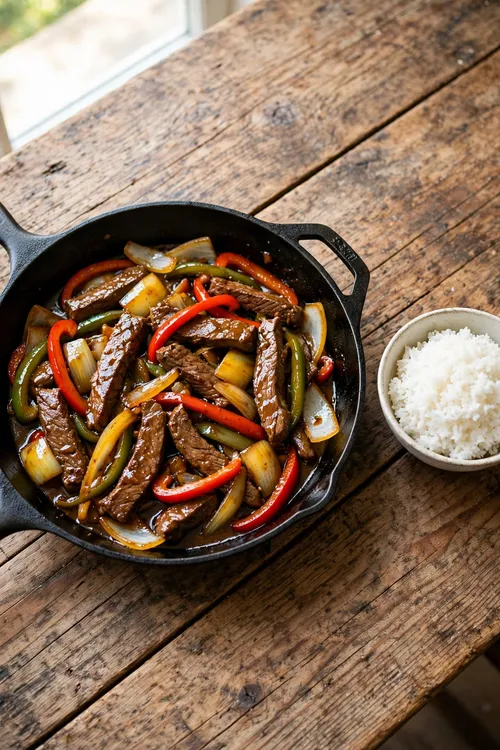
Flank steak sliced thin against the grain is the whole foundation here, because thin strips sear fast and stay tender in the sauce. Red and green peppers go in after the beef comes out, so they keep a little snap at the edges every single time.
The sauce is the pantry kind, soy sauce, a spoon of brown sugar, garlic, and cornstarch stirred into the pan juices until glossy. Serve it straight over white rice, and let everyone spoon the extra sauce over their bowl at the table with absolutely nothing left behind.
Chinese Takeout Style
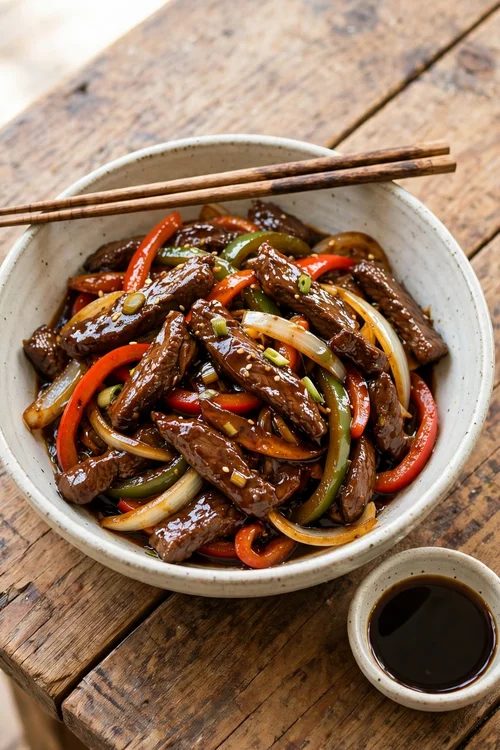
- Velvet the beef first: a teaspoon of cornstarch, a splash of soy sauce, and twenty quiet minutes in the fridge.
- Cook in two batches over the highest heat your stove offers, so the strips sear instead of steaming in their own juices.
- Build the sauce around soy, oyster sauce, and a pinch of sugar, then finish with a few drops of sesame oil.
- Keep the peppers chunky and add them late, so they stay bright and crisp against the dark glossy sauce.
This is the version that ends the takeout debate in my kitchen, because it lands on the table faster than a delivery order. The beef stays silky, the peppers stay vivid, and the sauce clings to every strip instead of pooling under the rice every single Friday night.
Spicy Cajun Kick
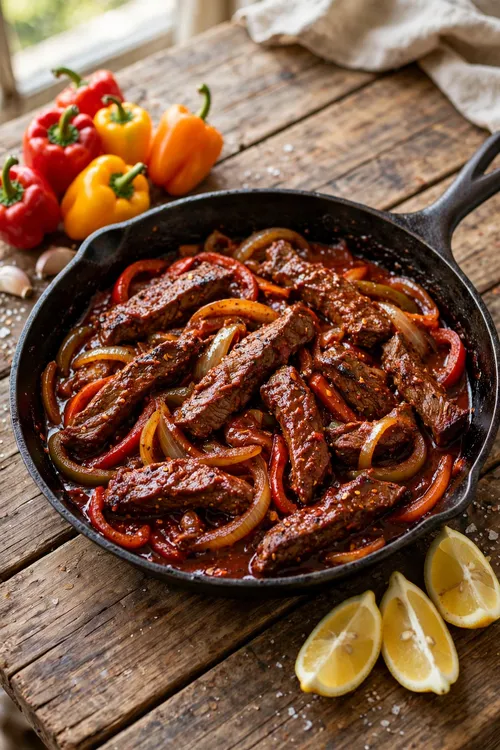
Quick Tip: Bloom the Cajun seasoning in the hot oil for thirty seconds before the beef goes in. The spices toast, deepen, and coat every strip as it sears. Add a pinch of brown sugar at the end if the heat needs softening.
Cajun seasoning changes the whole personality of the pan, swapping gentle sweetness for smoke, garlic, and a slow building heat. Bell peppers and onions still do their sweet work underneath, which keeps the spice friendly instead of harsh for the whole table on busy weeknights too.
Creamy Mushroom Sauce
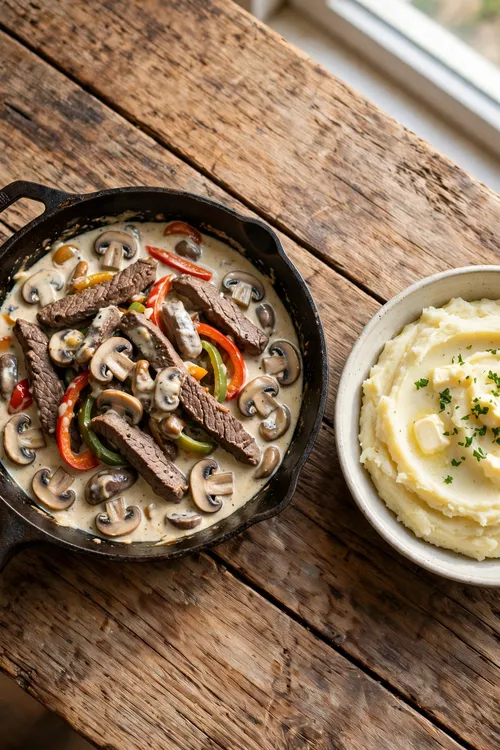
Before: A plain pan of beef and peppers can taste flat by the third bite, especially when the sauce is thin and the mushrooms never get a chance to brown. The plate looks fine, but nothing on it feels rich or worth slowing down for at all.
After: Brown the mushrooms hard in butter first, then let cream and a little Dijon melt into the pan with the beef and peppers. The sauce turns silky and deep, the mushrooms taste meaty, and plain rice underneath suddenly feels like the right choice for everyone.
This is the cozy version, the one for cold evenings and mashed potatoes instead of rice. It tastes like something a small bistro would charge extra for, yet the pan is on the table in about half an hour on a weeknight with almost no fuss.
Slow Cooker Tender Slices

- Layer sliced onions and peppers in the bottom of the slow cooker, so the beef rests on vegetables instead of the bare pot.
- Whisk soy sauce, beef broth, brown sugar, and garlic, then pour it over the beef until everything is just covered.
- Cook on low for six hours, until the strips pull apart easily and the peppers have melted into the sauce.
- Stir a cornstarch slurry through in the last twenty minutes, so the sauce thickens into a proper glossy coat.
The slow cooker version asks for ten minutes of work in the morning and pays it back all day in smell alone. By dinner the beef is spoon tender, the sauce is deep and sweet, and rice is the only decision left to make that night.
Garlic Butter Rich
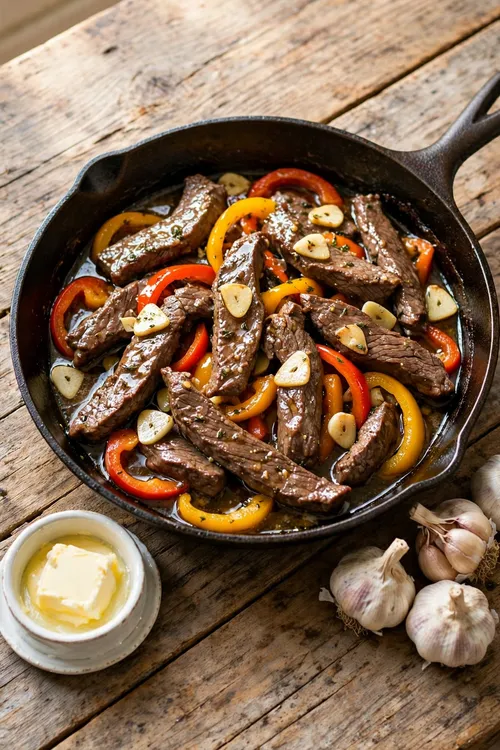
| Point | Garlic Butter Pan | Plain Oil Pan |
|---|---|---|
| Fat base | Two spoons of butter with a little oil | Oil alone, heated until shimmering |
| Garlic timing | Six cloves, added for the final minute | Garlic powder shaken over at the end |
| Sauce finish | Butter melts into the pan juices, glossy | Sauce stays thin and separates slightly |
| Best served with | Buttered noodles or crusty bread | Plain rice and steamed greens |
Butter changes the whole mood of this dish, turning a sharp savory sauce into something round and mellow. The garlic blooms in the fat instead of burning, and the peppers taste sweeter against it. I reach for this version whenever guests are coming for dinner.
Onion Loaded Skillet
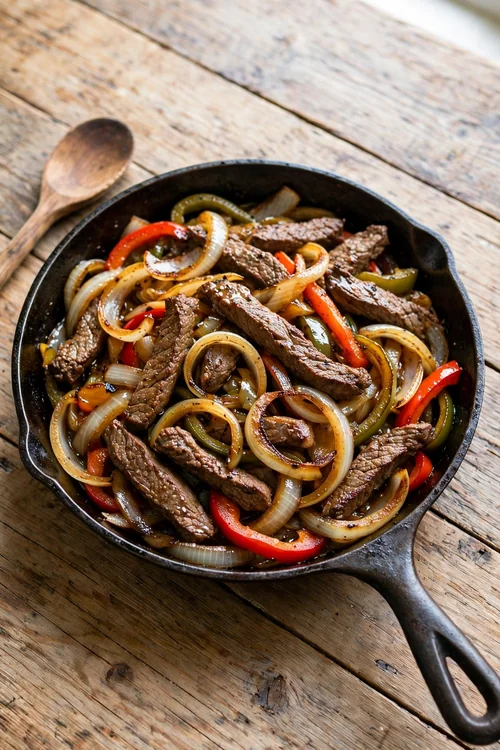
- DO: Slice two large onions into half moons and give them a five minute head start in the pan.
- DO: Keep some onions crisp tender and let the rest go soft and sweet, so both textures show up.
- DO: Deglaze with a splash of broth and scrape up every browned bit clinging to the skillet bottom.
- DO: Finish with a small knob of butter, which rounds the sharp onion edges into sweetness.
- DON’T: Crowd the pan with cold beef, or the onions steam and turn pale instead of caramelizing.
- DON’T: Slice the onions paper thin, because they vanish into the sauce and lose their presence.
- DON’T: Rush the onions over high heat, since the sugars scorch before they ever turn sweet.
- DON’T: Skip the resting minute off the heat, when the juices settle back into the meat.
Onions are the quiet hero of this pan, melting into the sauce until it tastes like it simmered for hours. Their sweetness carries the beef and peppers, and the whole skillet costs little more than the classic version while tasting twice as generous at the table.
Weeknight Rice Bowls

Cost: Low, mostly pantry staples and one pack of flank steak for four bowls.
Time Needed: About 25 minutes once the rice is already cooking.
Difficulty: Easy, one skillet and one pot, nothing fancy.
Best For: Busy Tuesdays when everyone eats at different times.
Bowls solve the serving problem completely, because everyone builds their own with as much sauce, rice, and pepper as they like. Leftovers pack into lunch containers without any fuss, and the sauce actually tastes deeper the next day when reheated gently at the office the next afternoon.
Honey Glaze Shine
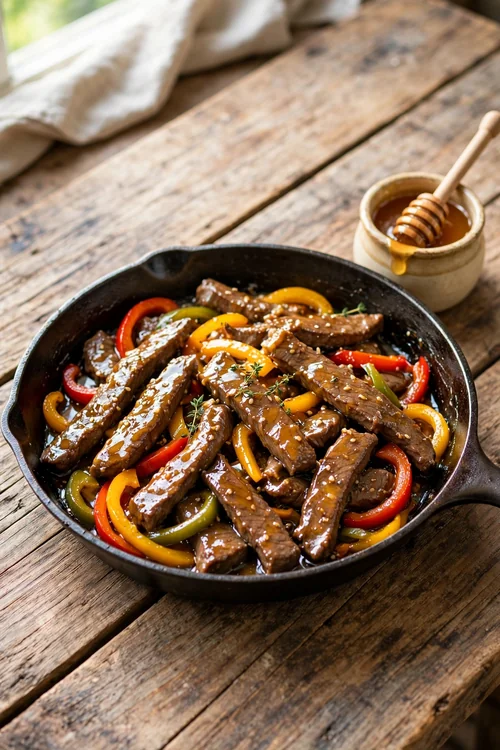
Honey does something sugar alone cannot, because it browns fast and leaves a lacquered shine on every strip of beef. A spoon stirred into the sauce at the end gives the pan a gentle sweetness that leans floral instead of flat and one note brighter.
Balance is the whole trick, since soy sauce and a squeeze of lime keep the glaze from tipping into candy. The peppers should stay vivid and crisp underneath that shine, so add them late and serve the pan the moment it glistens at the table.
Black Pepper Bold
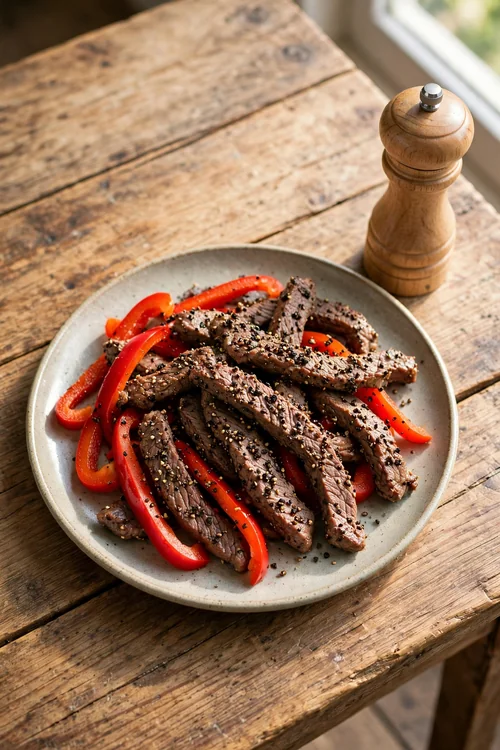
- Crack the peppercorns coarse, not fine, so each bite gets a small warm burst instead of a dusty burn.
- Use two teaspoons for a family pan, and keep a small dish of extra cracked pepper on the table.
- Toast the cracked pepper in oil for thirty seconds before the beef, so the heat blooms gently.
- Pair the bold pepper with sweet red peppers, which soften the edges without hiding the warmth.
This version is for the cook who always reaches for the pepper mill twice. The sauce stays simple on purpose, so the cracked pepper does the talking, warm and fragrant against the sweet peppers and the rich beef in every forkful at dinner with your people.
Teriyaki Sweet Twist
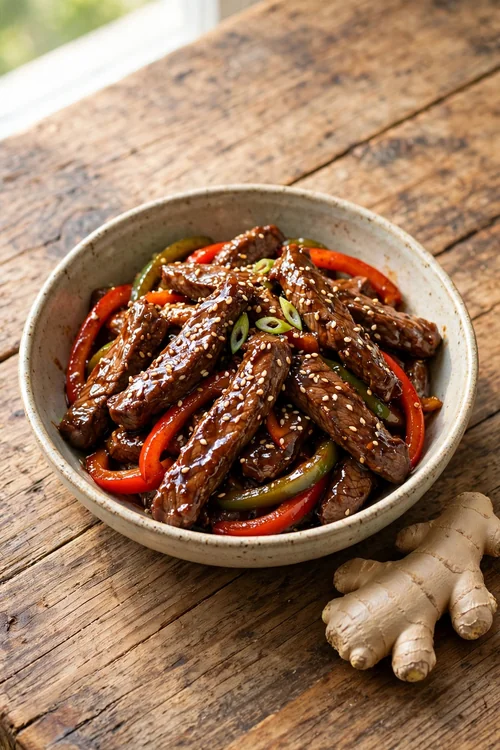
Quick Tip: Reduce the teriyaki sauce for two full minutes before the peppers go back in. It thickens into a mirror glaze that coats instead of pooling. A teaspoon of grated ginger at the end wakes the whole pan up again, instantly and completely.
Teriyaki brings a sweeter, rounder flavor that kids tend to love at first bite. Mirin and soy give the glaze its shine, while the peppers keep enough crunch to stop the bowl from feeling heavy over rice or noodles on a school night at home.
Fajita Style Strips

Before: A standard skillet version can blur into the same old weeknight routine, with soft peppers, mild seasoning, and beef that never quite picks up any char. It fills plates, but nobody reaches for seconds or talks about it the next day or the day after.
After: Chili powder, cumin, smoked paprika, and lime turn the same pan into fajita night, with charred edges and warm tortillas on the side. The peppers blister in the hot pan, the beef picks up real smoke, and dinner suddenly feels like an occasion worth repeating.
Serve this one family style, straight from the skillet with warm tortillas, sour cream, and extra lime wedges. People build their own plates, the pan stays the centerpiece, and the cook actually gets to sit down and eat with everyone else at last for once.
Ginger Soy Sizzle

- Grate a thumb of fresh ginger and stir it into soy sauce, a spoon of honey, and a splash of rice vinegar.
- Sear the beef strips hard and fast, then remove them while the pan still holds their browned juices.
- Cook the peppers in the same pan for three minutes, so they pick up ginger and char at once.
- Return the beef, pour in the sauce, and toss for one minute until everything shines.
Fresh ginger gives this pan a bright, almost citrusy heat that ground ginger never quite delivers. The sauce stays light, the peppers stay green and snappy, and the whole dish tastes awake, which makes it a favorite after heavier holiday weeks at home every single year.
Rainbow Pepper Mix

Red and Yellow: Red and yellow peppers bring the sweetness, softening first and turning almost jammy at the edges where they touch the hot pan. They melt into the sauce and soften the salt, which is why this version tastes rounder than the classic green pepper pan at home.
Green and Orange: Green peppers keep their grassy bite and stay firm longest, while orange sits right between, sweet but still structured in the sauce. Together they give the skillet four colors and four textures, so every forkful looks and tastes a little different from the last one on the plate.
Color is not decoration here, it is information, because each pepper ripens to a different sweetness and softens at a different pace. The bowl looks like a celebration, and picky eaters end up choosing favorites by color before they even notice the beef underneath it all.
Smoky Chipotle Heat
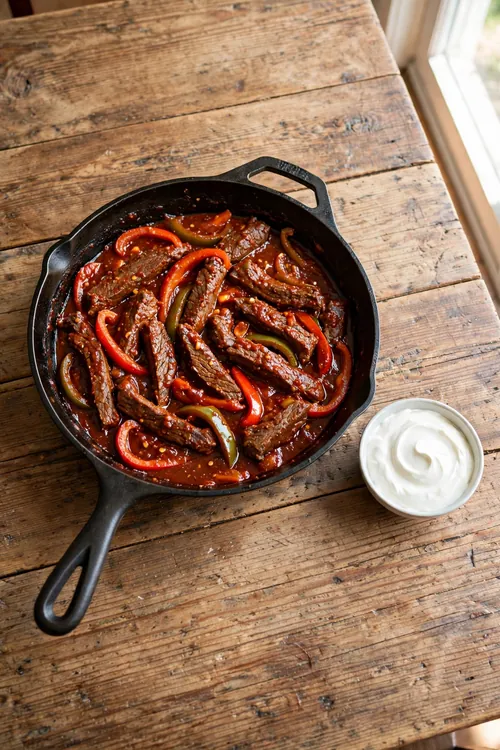
| DO | DON’T |
|---|---|
| Blend one chipotle in adobo into the sauce for deep smoke | Add three chipotles at once and scorch the whole pan |
| Keep a spoon of honey ready to balance the heat | Skip the sweet peppers, which carry the smoke kindly |
| Warn the table and serve sour cream on the side | Serve this version to small kids without a mild bowl |
| Let the sauce rest five minutes so the smoke settles | Rush the pan off the heat before the peppers soften |
Chipotle gives this dish a campfire depth that regular chili flakes never reach, smoky first and hot second. The adobo sauce stains everything a deep brick red, and a bowl over rice with sour cream tastes like a weekend project done right at home tonight.
Asian Sesame Finish
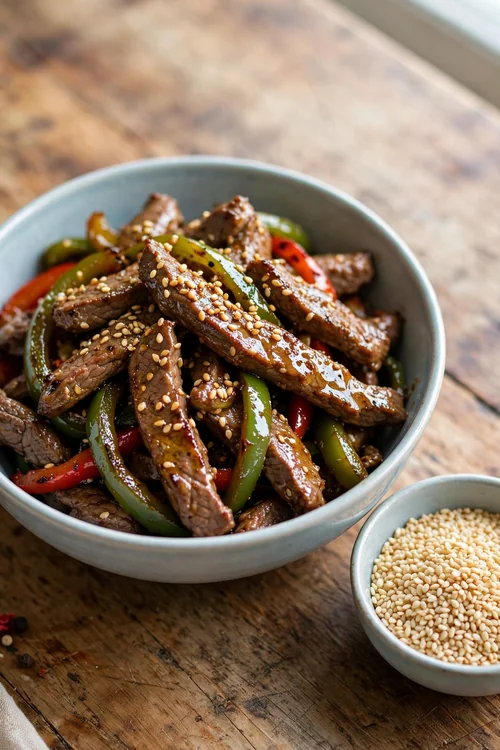
Works In: Wok, cast iron skillet, or any wide heavy pan with room to toss.
Tools Required: Sharp knife for thin strips, a small bowl for the sauce, tongs.
Result: Glossy strips with toasted sesame on top and peppers still bright.
Pro Tip: Toast the sesame seeds in the dry pan first and keep them aside for serving.
Sesame is a finishing move, not a background note, in this version, with toasted seeds and a final thread of sesame oil over the top. The effect is warm and nutty, and it makes a simple pan taste deliberate when guests are watching closely at dinner.
Italian Herb Skillet
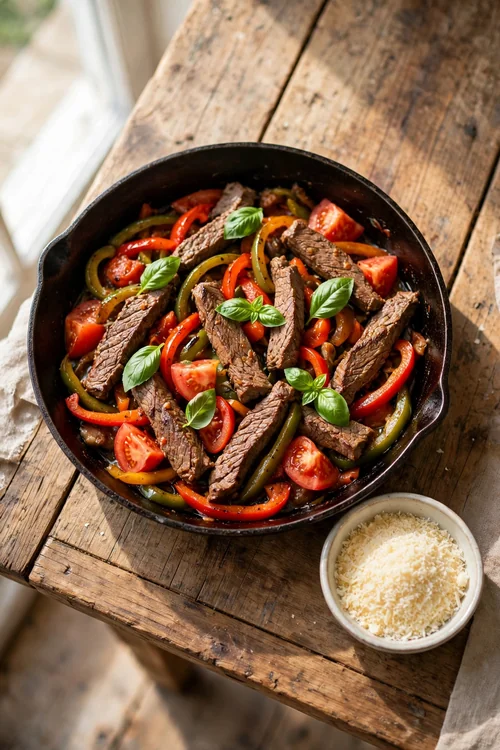
Oregano, basil, and a pinch of red pepper flakes pull this pan toward an Italian kitchen, especially with a splash of tomato in the sauce. The beef still sears the same way, but the peppers soften into something closer to a Sunday sauce on the stove.
Serve it over creamy polenta or tucked into crusty rolls with provolone melted over the top. A handful of fresh basil at the end keeps the whole pan bright, and a little parmesan over each plate never hurts anyone at my table on a Sunday.
Mongolian Style Glaze
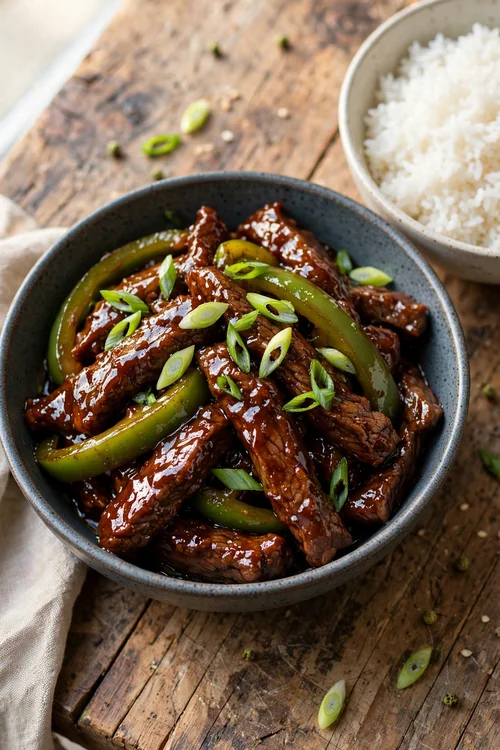
- Slice the beef extra thin and dust it with cornstarch, so the edges crisp before the glaze goes on.
- Build the glaze from soy sauce, dark brown sugar, garlic, and ginger, and let it bubble for a full minute.
- Keep the peppers in wide strips, since thin slices disappear under a glaze this rich and dark.
- Scatter sliced green onions over the top at the end, raw and bright against the dark sauce.
The glaze is the star here, dark, sweet, and sticky enough to coat the back of a spoon. Peppers keep the bowl from tipping too sweet, and their crunch is the contrast that makes the rich beef worth eating slowly at the table with everyone.
Philly Inspired Pan
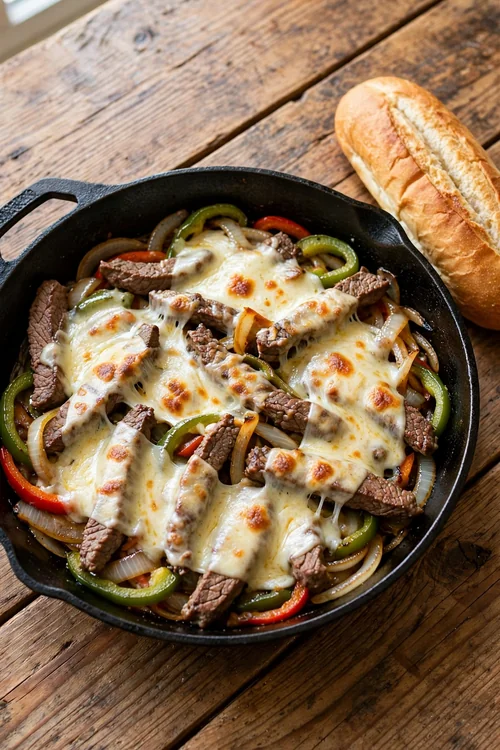
Quick Tip: Salt the beef after it sears, not before it hits the pan. Early salt pulls out moisture and the strips steam instead of browning. A dry surface and a patient minute give you the crust this sandwich style pan deserves every time.
Provolone melted over the top turns the skillet into the inside of everyone’s favorite sandwich, no rolls required. The peppers and onions go sweet and soft under the cheese, and a spoonful over rice or a hoagie roll both work beautifully here at my table.
Balsamic Rich Reduction
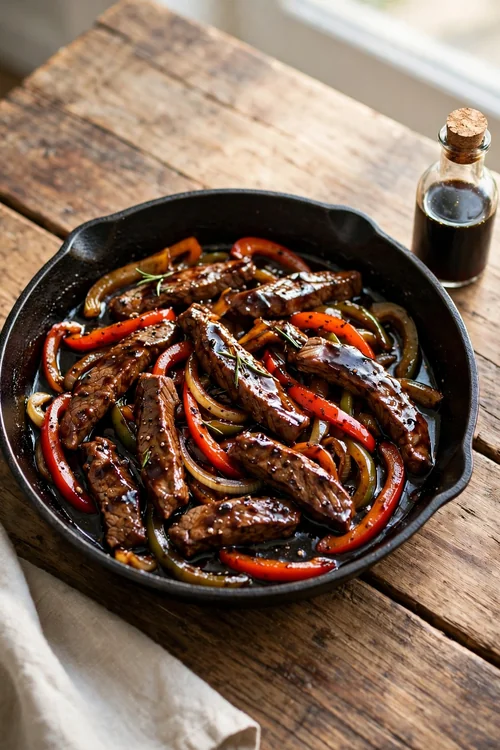
Before: A sauce built only on soy can taste one note sharp, especially next to sweet peppers that deserve a deeper partner on the plate. The beef browns fine, but the pan never develops that dark, almost wine like depth people remember long afterward for days.
After: A quarter cup of balsamic, reduced with the pan juices and a knob of butter, turns the sauce dark and tangy sweet. The peppers glisten, the beef tastes richer, and the whole pan feels like it came from a small Italian kitchen in the hills.
Date night calls for this one, quiet and rich, best with mashed potatoes and a simple green salad. The reduction takes ten extra minutes and repays every one of them, coating each strip in a sauce that tastes slow cooked and considered by everyone there.
Fire Grilled Char
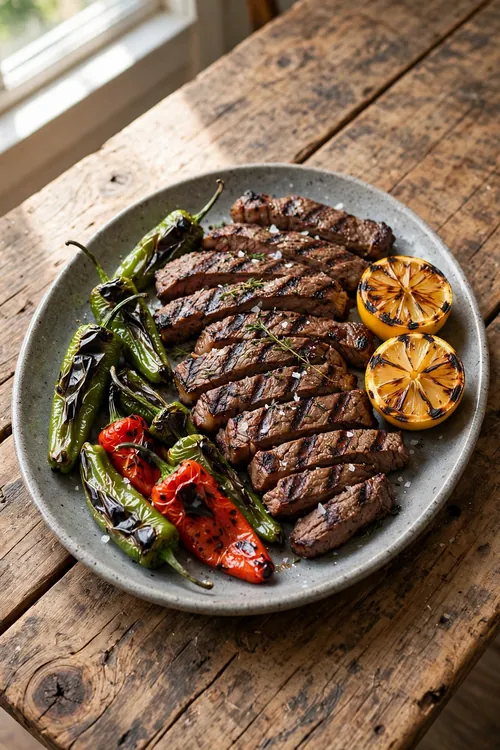
- Cut the beef into wide strips and the peppers into big flat pieces that will not fall through the grate.
- Oil everything lightly and season with salt, cracked pepper, garlic powder, and a pinch of smoked paprika.
- Grill over the hottest zone for three minutes a side, until the edges char and the centers stay juicy.
- Rest the strips, slice them across the grain, and toss with the warm pan sauce before serving.
Grilling changes the texture completely, giving the beef chewy charred edges that no skillet fully copies at home. The peppers blister and sweeten over the flame, and a drizzle of the soy butter sauce at the end ties the whole platter together nicely for everyone.
Conclusion
Twenty-one pans later, the lesson is simple: small choices change everything. A different pepper color, a richer sauce, five extra minutes of marinade, and the same humble ingredients turn into a dinner people ask about.
Pick one pepper steak version for this week and make it your own.
In my experience, the second time you cook a version is when it becomes yours, adjusted to your stove and your table. Save this list, share it with a friend who loves a good skillet dinner, and keep a bag of peppers in the crisper. Weeknight cooking gets easier from here. For a glossy takeout night, my mongolian beef delivers.