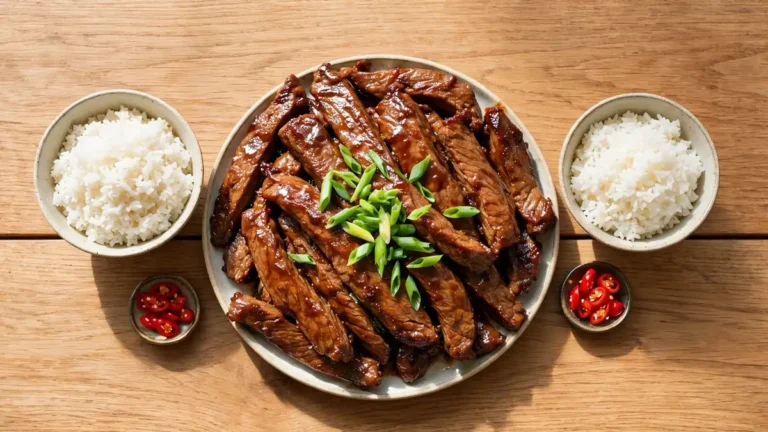
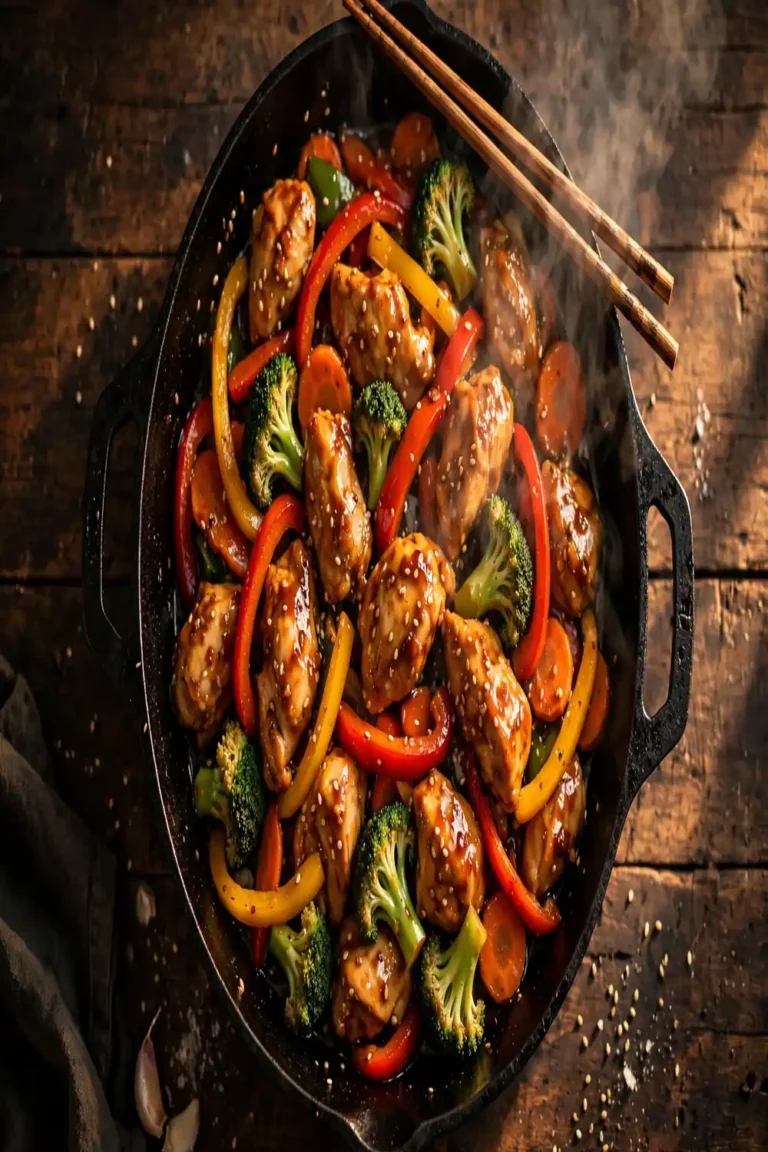
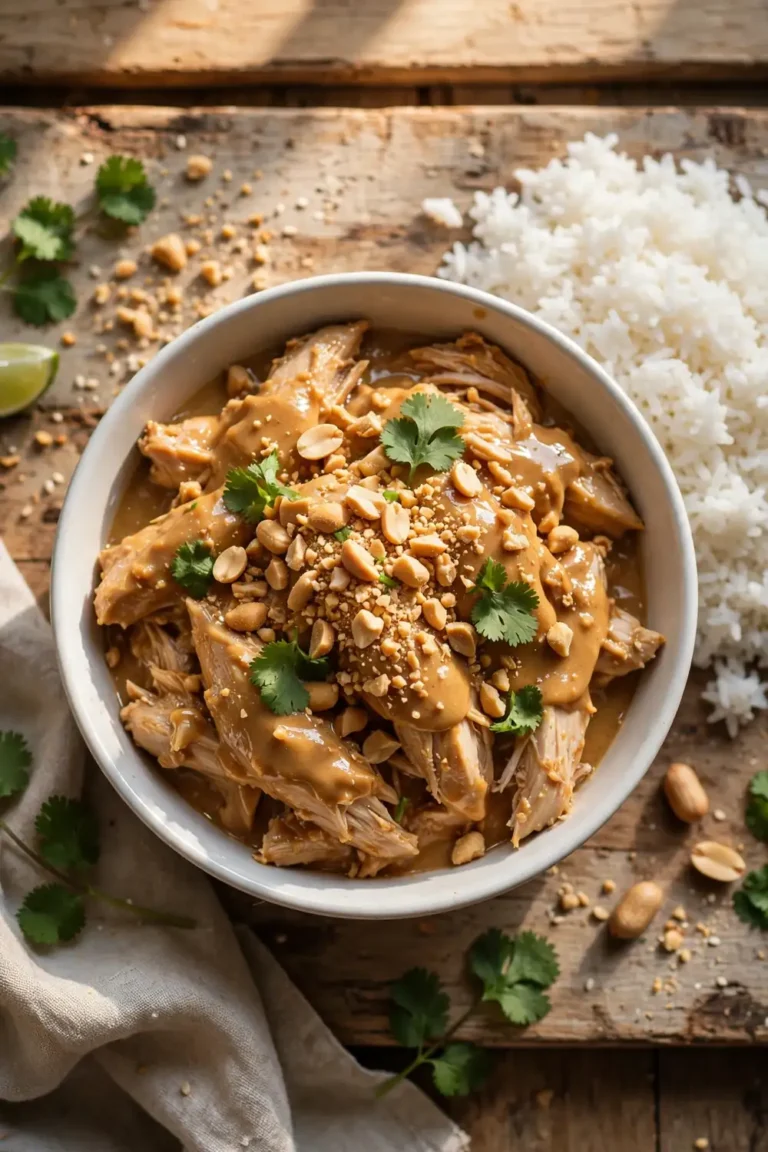
25 Marvelous Beef Bulgogi Ideas for Nights Done Right
Sweet, smoky, and slicked with a glossy pear marinade, beef bulgogi is the Korean barbecue favorite that turns a plain weeknight into something worth gathering around.
This collection gathers twenty five ways to make it at home, from the classic skillet version to spicy gochujang bowls, lettuce wraps, tacos, and meal prep boxes. Every version keeps the soul of the dish: tender strips, deep caramel edges, and a marinade that balances sweet, salty, and garlicky in every bite.
Pick the style that fits your evening, slice the beef thin, and give the marinade its full time to work. Small habits make the difference here, and each idea below shares the ones that matter most. And for a steaming bowl, my beef pho comforts everyone.
Classic Pear Marinade

The classic marinade starts with a ripe Asian pear, grated fine so its juice melts into every strip of beef. Pear brings gentle sweetness and natural enzymes that tenderize the meat while it rests, which is why Korean cooks have trusted it for generations of family grills.
Soy sauce, sesame oil, garlic, and a little brown sugar round out the bowl, and the beef soaks for at least two hours, overnight when time allows. Slice the meat thin against the grain before marinating, because thin strips drink up more flavor and cook in a flash.
Cook the strips in a ripping hot skillet in small batches so they char instead of steam. The pear sugars caramelize into dark, sticky edges that taste like the best bite at a Seoul barbecue house, and a shower of sesame seeds finishes it every time.
Spicy Gochujang Fire
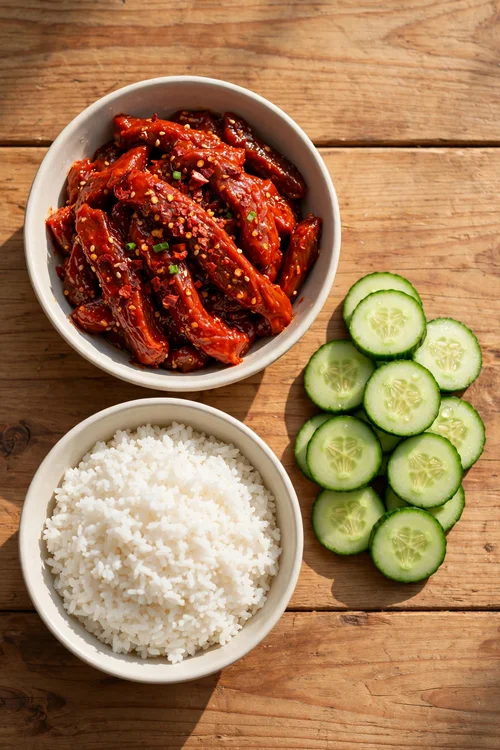
- Stir two heaped tablespoons of gochujang into the base marinade, and add a teaspoon of chili flakes if your household likes real fire.
- A spoon of honey balances the heat and helps the glaze turn glossy and sticky on the hot pan.
- Marinate the beef for at least one hour so the chili paste stains every strip a deep brick red.
- Sear fast over high heat, because the sugars in the paste scorch quickly once the edges start to char.
- Serve over plain rice with cucumber slices nearby, since cool crunch resets the palate between fiery bites.
Gochujang brings fermented depth that plain chili sauce never matches, a slow burn wrapped in sweetness. In my experience, this is the version friends request by name after one dinner, so keep the paste stocked and the rice cooker ready on spicy nights at home.
Lettuce Wrap Party
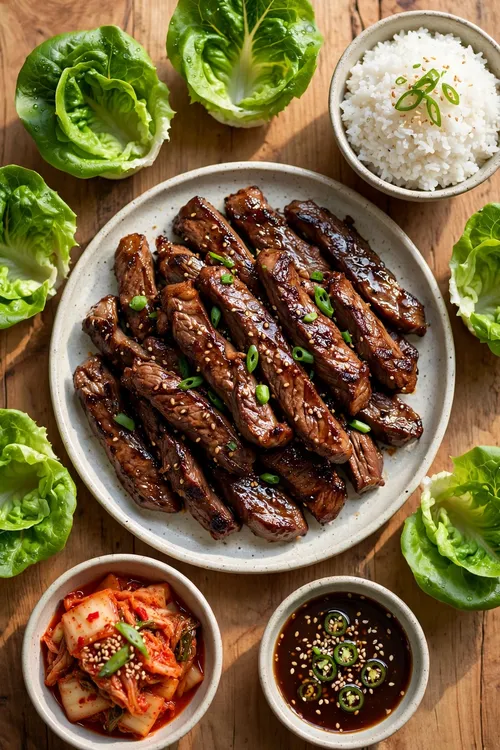
Quick Tip: Chill the lettuce leaves in cold water for twenty minutes before serving so they stay crisp and cup shaped. Pat them completely dry, because wet leaves slide apart and dilute the sauce. A dry, cold leaf holds a full bite without tearing.
Lettuce wraps turn dinner into a build your own spread, and guests love the small ceremony of filling, folding, and crunching. Set out the sizzling beef, warm rice, kimchi, and sauce in the middle, then let everyone assemble at their own pace around the table.
Rice Bowl Comfort
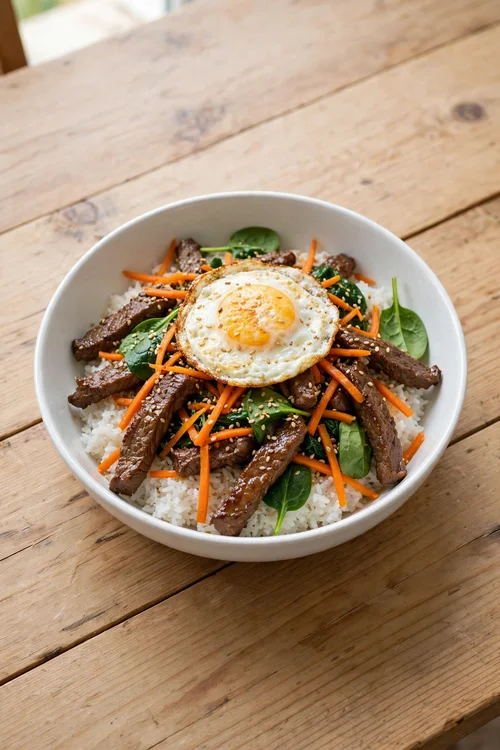
BEFORE: My rice bowls used to be plain leftovers in disguise, beef reheated until gray and spooned over dry rice. The egg was an afterthought, the vegetables were missing, and the whole bowl ate like a chore instead of the comfort dinner it promised to be.
AFTER: Now the beef sears fresh and glossy, the rice gets a drizzle of sesame oil, and a fried egg with a runny yolk sauces the whole bowl. Julienne carrots and spinach add color and crunch, so every spoonful carries beef, rice, vegetable, and yolk together.
A great rice bowl is about contrast: hot beef, soft rice, crisp vegetables, and one rich yolk tying everything together. Build it in wide bowls so the toppings stay visible, and serve extra marinade sauce on the side for anyone who wants a deeper soak.
Grill Platter Feast
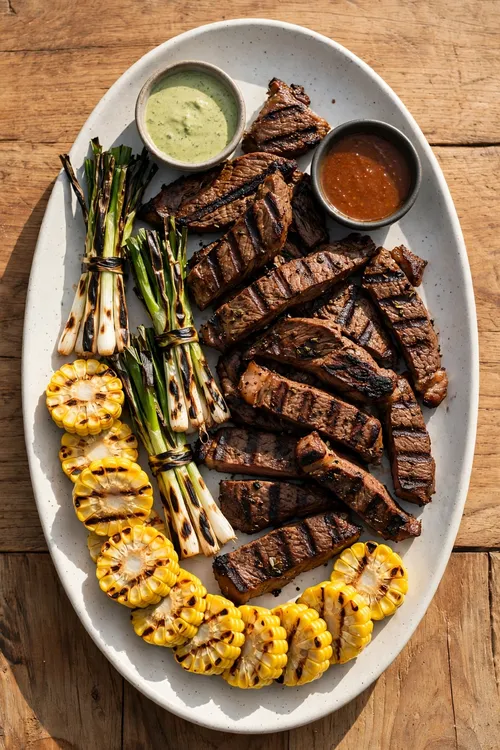
- Marinate the beef strips for at least four hours, then lift them out and pat the surface mostly dry.
- Heat the grill until the grates are smoking hot, and oil them lightly so the thin strips release cleanly.
- Lay the strips in a single layer and leave them alone for ninety seconds so real grill marks form.
- Flip once, cook one minute more, and pile the beef onto a warm platter as each batch finishes.
- Rest the platter five minutes, then shower it with sesame seeds and scallions before carrying it out.
A grill platter is theater and dinner at once, arriving sizzling while the table is still settling. Keep batches small and the coals fierce, and nobody will miss the restaurant version, especially with grilled scallions and corn rounds sharing the board at every summer cookout.
Skillet Versus Grill
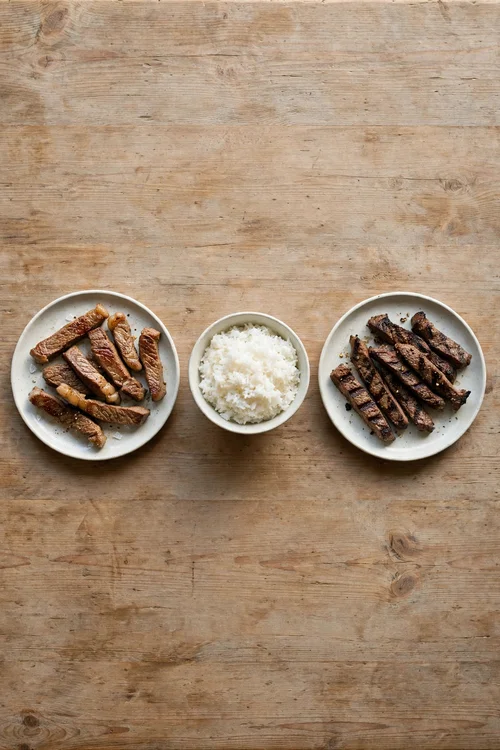
| Point | Hot Skillet | Charcoal Grill |
|---|---|---|
| Flavor | Deep caramel crust with pan sauce richness | Smoky char with a cleaner, leaner finish |
| Texture | Tender strips with sticky glazed edges | Slightly firmer bite with crisped tips |
| Best Moment | Weeknights and rainy day cooking | Weekends, guests, and backyard evenings |
| Cleanup | One pan, wiped and done | Grates to brush and ashes to empty |
Neither method wins outright; they simply serve different evenings. The skillet gives you sauce and speed, the grill gives you smoke and ceremony, and honest cooks keep both in rotation depending on weather, time, and who is coming to dinner on any given night at home.
Marinade Habits Daily
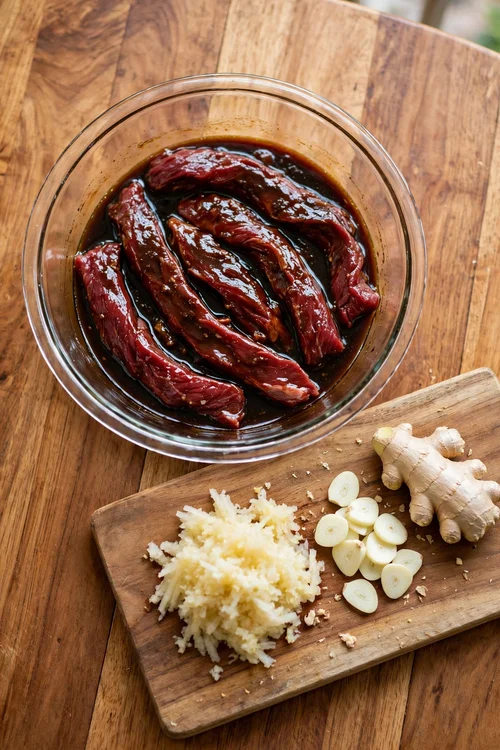
DO: Give the marinade a full two hours at minimum, and overnight when the calendar allows it. Grate the pear fresh, press the garlic instead of powdering it, and taste the bowl before the beef goes in, adjusting sugar or soy until the balance sings for you.
DON’T: Rush the soak because dinner feels close, since thirty minutes only seasons the surface of the strips. Never reuse marinade that held raw beef as a sauce without boiling it first, and never crowd wet meat into the pan, because the strips steam gray instead of charring.
Good marinade habits are quiet, repeatable things: fresh aromatics, honest timing, and one taste before the meat goes in. Build those three into muscle memory and every batch, classic or spicy or fusion, starts from a base that never lets you down at the table.
Weeknight Fifteen Minutes
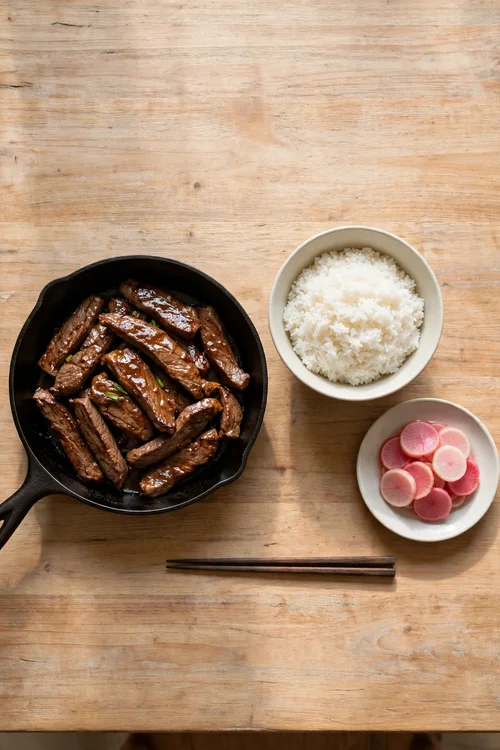
Cost: Moderate, one pack of shaved beef and pantry staples
Time Needed: Fifteen minutes once the rice is on
Difficulty: Easy, one pan and constant motion
Best For: Tired weeknights and hungry teenagers
Speed is the whole point here, so the marinade works while the rice cooks and the pan never cools down. Shaved beef from the store freezer aisle is the weeknight hero, thawing fast, soaking fast, and searing in the time a takeout driver needs to park.
Caramelized Sweet Onion
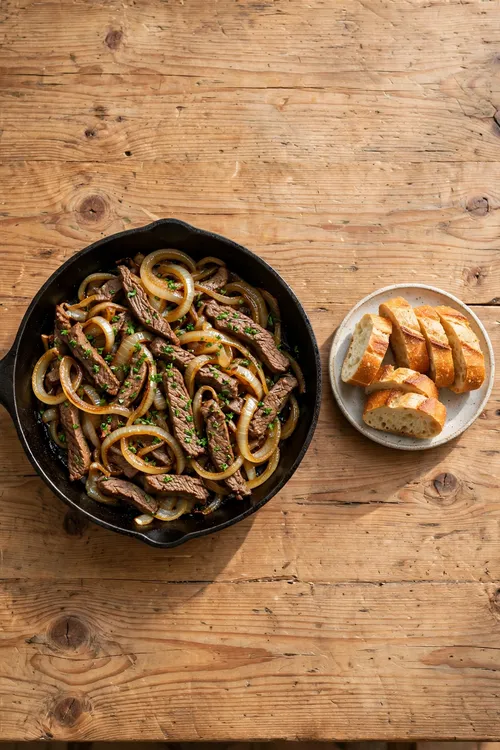
Onions are the quiet partner in this version, sliced thin and cooked low until they collapse into golden ribbons. Their sweetness is deeper and rounder than sugar, and it wraps the beef in a jammy coat that tastes like it simmered for hours instead of minutes.
Cook the onions first in the same skillet, then set them aside while the beef sears at full heat. Return the onions at the end so their edges stay silky instead of scorching, and let the two mingle for one minute in the pan juices.
Serve this one over buttered rice or tucked into a warm roll, where the sweet onions act almost like a sauce. I reach for it in autumn, when onions are cheap and sweet, and the whole house smells like a bistro by dinner every year.
Mushroom Umami Boost
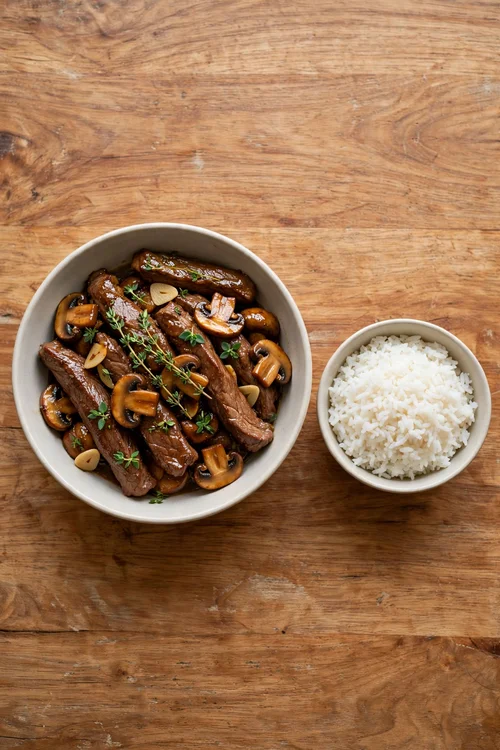
- Sear a full pound of mushrooms in batches until their edges turn deep gold and crisp at the corners.
- A splash of soy and a knob of butter in the mushroom pan builds a dark, savory glaze worth scraping up.
- Cremini and shiitake together give the deepest flavor; plain white mushrooms work but stay gentler.
- Fold the mushrooms through the beef at the very end so they keep their roasted texture in the bowl.
Mushrooms double the savor of the marinade without adding a single extra sauce. Their juices mingle with the pear and soy in the pan, and the finished bowl tastes richer and earthier, the kind of depth people describe as restaurant level, yet it cooks entirely at home tonight.
Sesame Ginger Zing
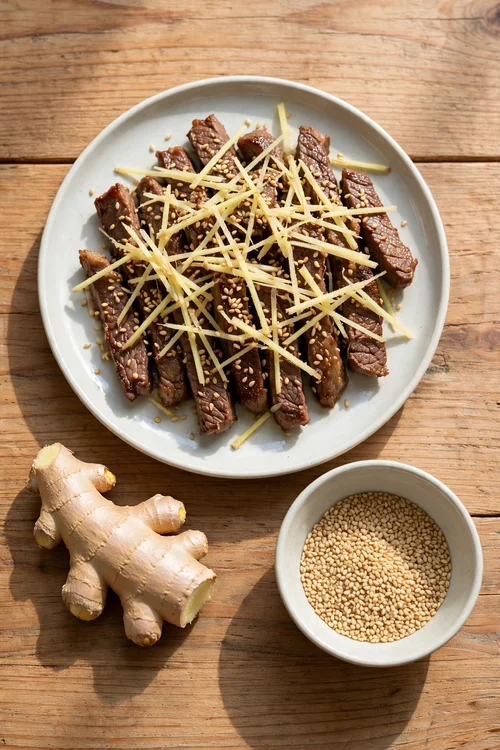
Quick Tip: Grate the ginger on the fine side of the grater so it melts into the marinade instead of sitting in fibrous chunks. Fresh ginger should smell sharp and almost citrusy at the market. Stale roots turn woody and mute the whole bowl.
Ginger cuts through the sweetness and wakes the whole dish up, while toasted sesame adds a nutty finish on top. Keep this version brighter and lighter than the others, serve it with plain rice, and let the sharp, warm spice do the talking at dinner tonight.
Noodle Stir Fry Night
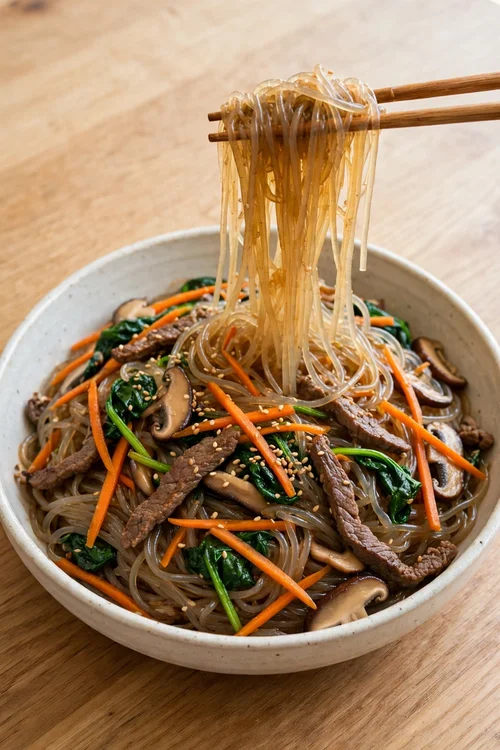
BEFORE: My noodle nights used to end in a sticky tangle, glass noodles clumped in one corner and the beef lost somewhere underneath. The sauce pooled at the bottom, the vegetables steamed instead of sizzling, and dinner felt like a salvage job instead of a treat.
AFTER: Now the noodles get soaked, snipped, and tossed through the pan in the final two minutes, glossy with sauce. Beef, carrots, spinach, and mushrooms stay distinct in every bite, and the bowl eats like a proper japchae night at a favorite little neighborhood spot downtown.
Glass noodles drink sauce greedily, so reserve a few spoonfuls of marinade to loosen the pan at the end. Work in a wide skillet or wok, keep everything moving, and serve straight from the pan while the noodles still shine and the beef stays tender.
Taco Fusion Twist
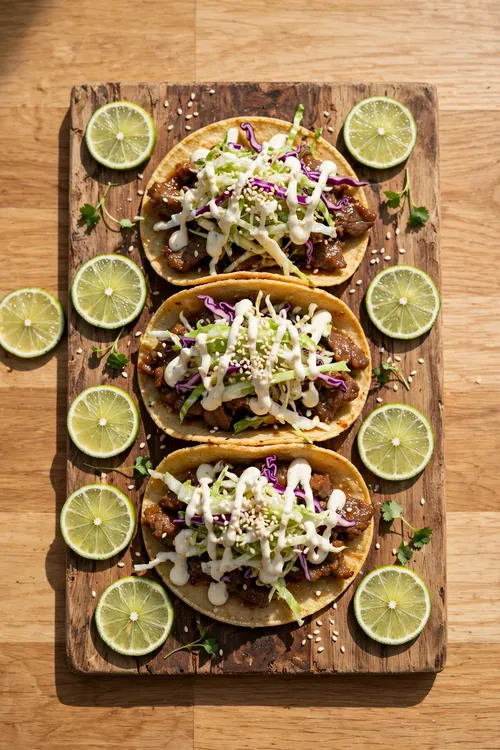
- Warm the corn tortillas over an open flame or dry skillet until they blister at the edges and stay flexible.
- Sear the marinated beef at high heat in small batches so every strip gets charred edges and sticky glaze.
- Toss shredded cabbage with rice vinegar, a pinch of sugar, and sesame oil for a quick bright slaw.
- Fill each tortilla with beef, crown it with slaw, sesame seeds, and a drizzle of spicy mayo.
- Rest the tacos two minutes so the juices settle, then serve with lime wedges for squeezing over.
Fusion tacos work because the marinade already speaks two languages: sweet, salty, and garlicky like any great taco filling. The slaw brings the crunch that grilled meat begs for, and a squeeze of lime at the table wakes every single bite up instantly, every time you serve them.
Ribeye Versus Sirloin
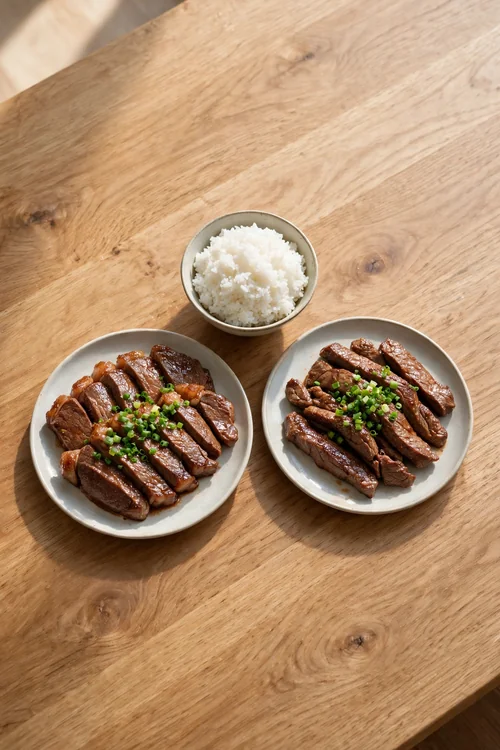
Ribeye Richness: Marbling is the whole story with ribeye, ribbons of fat that melt into the marinade and baste the meat from inside. Slices come off the grill rich and almost buttery, needing nothing more than sesame and scallion, and they forgive a minute of overcooking gracefully.
Sirloin Value: Sirloin cuts leaner and cheaper, with a firmer bite that some people honestly prefer at the table. Slice it extra thin and give it the longer marinade, and the flavor lands deep and beefy, making it the smart choice for weeknight batches and big family pans.
Choose by the occasion and the budget, not by habit alone. Ribeye is the celebration cut, sirloin is the Tuesday cut, and a good marinade treats both with respect, so the table wins either way you decide to shop this week at home for dinner.
Freezer Prep Wisdom
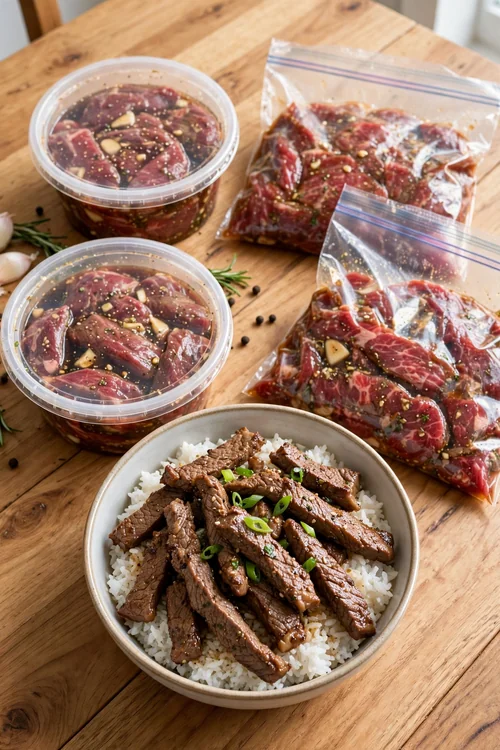
- DO: Freeze the beef flat in labeled bags with the marinade, so a full dinner thaws in one bowl of warm water.
- DO: Portion each bag for one meal, because refreezing thawed beef ruins both texture and flavor.
- DO: Press the air out before sealing, since freezer burn starts wherever air pockets linger.
- DO: Write the marinade style and date on every bag, because frozen bags all look alike by week three.
- DON’T: Freeze the beef in one giant block, which thaws unevenly and cooks in patches.
- DON’T: Skip the marinade and freeze plain beef, losing the whole point of the prep.
- DON’T: Keep bags longer than three months, after which the sesame and garlic fade noticeably.
- DON’T: Thaw on the counter all day, where the surface warms long before the center softens.
A freezer stocked with marinated portions is a promise to your future self on the busiest evenings. Dinner becomes thaw, sear, and serve, with rice from the cooker and whatever green thing the fridge offers, and takeout quietly loses its strongest argument on tired nights.
Budget Friendly Cuts
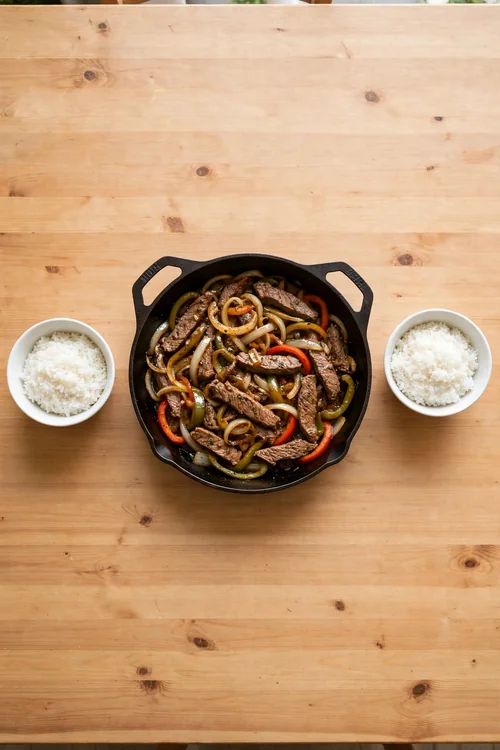
Cost: Low, chuck and shoulder cuts run half the ribeye price
Time Needed: Thirty extra minutes of marinade for tougher cuts
Difficulty: Easy, the marinade does the tenderizing
Works In: Skillets, grills, and slow cookers alike
Budget cuts ask for two kindnesses: a thinner slice and a longer soak in the pear marinade. Give them both gladly and the meat turns tender, sweet, and deeply flavored, proof that this dish was always humble peasant cooking long before it became restaurant cooking.
Kimchi Fried Rice Remix
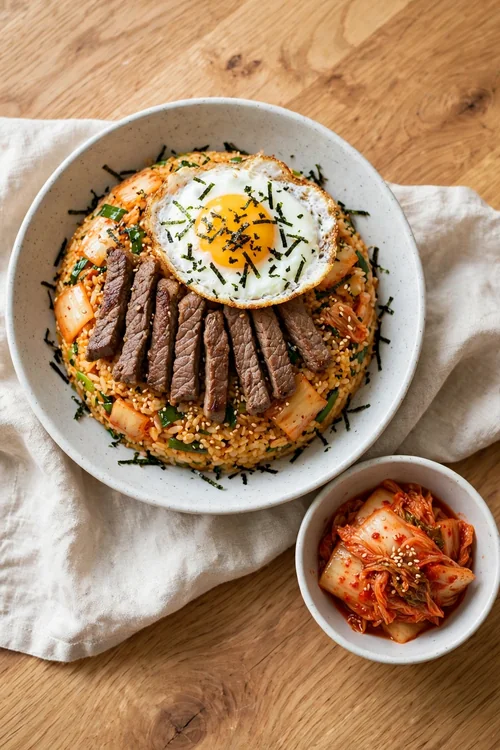
Day old rice is the secret here, grains dry enough to fry instead of steaming in the pan. Kimchi brings the funk and the fire, its juices staining every grain a deep sunset orange while the chopped stems keep a fermented crunch in each bite.
Sear the beef first and set it aside, then fry the rice in the same pan so it drinks the leftover glaze. Fold the beef back through at the end with a knob of butter, and crown every bowl with a fried egg on top.
This is the remix that rescues two leftovers at once and somehow outshines the original dinner. Keep the pan hot and the rice moving, serve it straight from the skillet with extra kimchi alongside, and accept that seconds are simply part of the plan tonight.
Cheesesteak Seoul Style
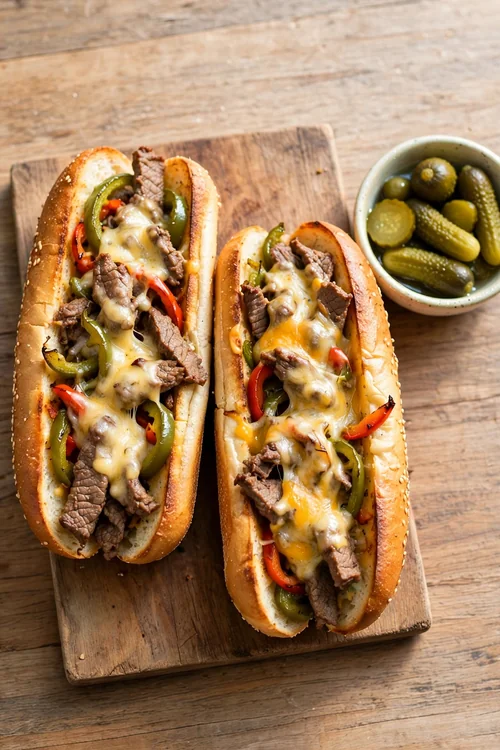
- Shave the beef paper thin so it cooks in seconds and piles high inside the roll.
- Peppers and onions go on the flat top first, sweetening while the beef waits its turn.
- Provolone or American cheese melts over the pile at the end, holding every strip together.
- A smear of gochujang mayo on the toasted roll ties the two cities together in one bite.
Philadelphia technique meets a Seoul marinade, and the sandwich is better for the meeting. The sweet, garlicky beef loves a soft roll and a molten cheese blanket, and I have served these to cheesesteak loyalists who even asked for the recipe before dessert was served.
Slow Cooker Hands Off
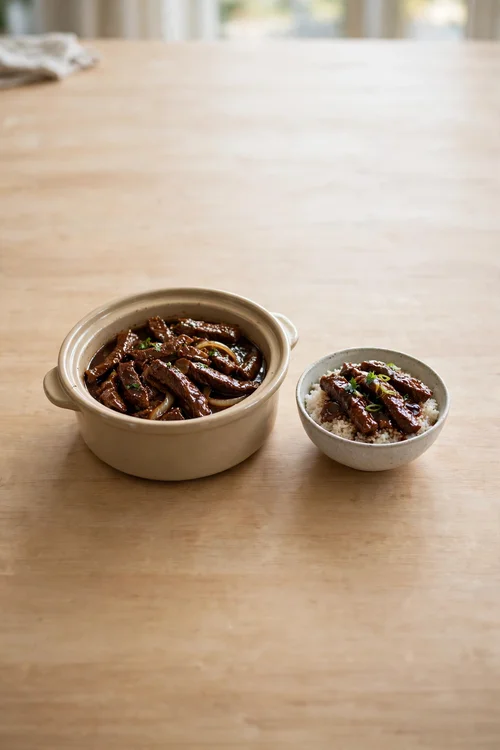
Quick Tip: Sear half the beef before it goes into the cooker, even on lazy days, because that browned batch flavors the whole pot. The other half can go in raw to save time. Nobody at the table will ever guess the shortcut you took.
The slow cooker version trades char for tenderness, and on the right day that trade is pure wisdom. Come home to a house that smells like a Korean barbecue joint, spoon the beef over rice, and let the cooker take the credit gracefully at dinner tonight.
Breakfast Hash Morning
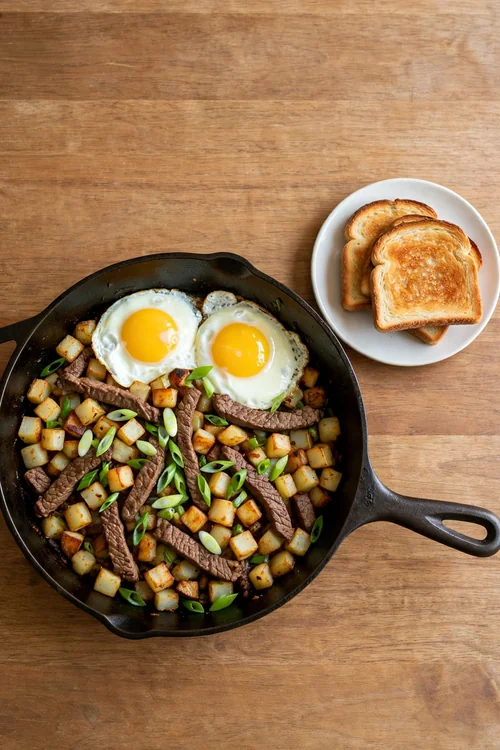
BEFORE: Breakfast at my house used to mean plain eggs and toast on repeat, while last night’s leftover beef sat forgotten in its container. Mornings felt rushed and gray, and a perfectly good dinner quietly became tomorrow’s guilt instead of today’s real fuel for the day.
AFTER: Now the beef crisps in a cast iron skillet with potato cubes, soaking up the runny yolks from two sunny eggs. The marinade’s sweetness turns into caramel edges by morning, and breakfast suddenly eats like the best plate at a cozy favorite weekend diner downtown.
A hash forgives everything: uneven cubes, extra peppers, the last scallion in the drawer. Keep the potatoes undisturbed long enough to crisp, slide the eggs on top at the end, and carry the whole skillet to the table while it still crackles on the stove.
Meal Prep Sunday Bowls
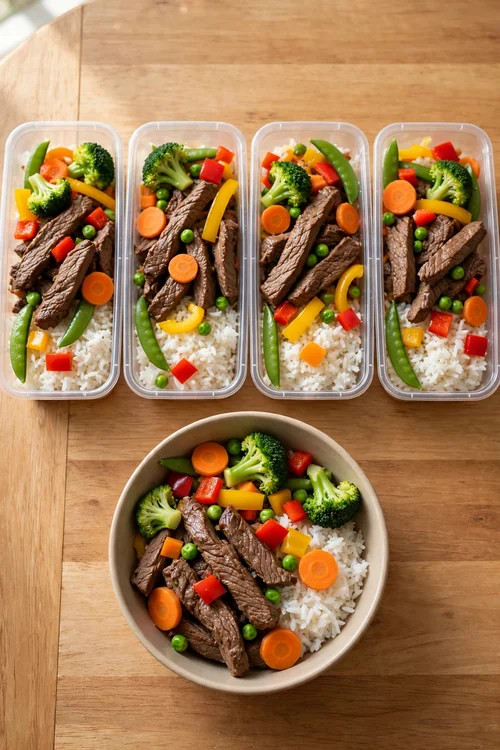
- Cook a double batch of marinade on Sunday and split it between two pans for different heat levels.
- Sear the beef in batches, cool it completely, and only then pack it over the rice in containers.
- Add sturdy vegetables like carrots, broccoli, and peppers, which reheat without going limp by Thursday.
- Keep sauces and sesame seeds in tiny separate pots so Friday’s bowl still tastes freshly made.
- Label each container with its heat level, because spicy and classic look identical by midweek.
Meal prep works when Friday’s lunch still tastes like Sunday’s cooking, and this marinade is built for exactly that. The pear and soy keep deepening in the fridge, the beef reheats tender, and your future self eats well for five straight grateful days at work.
Serving Style Choices
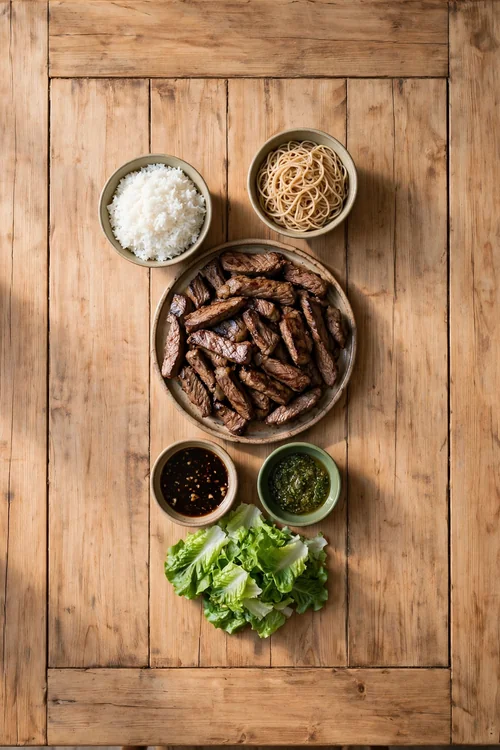
- Over Steaming Rice: The classic serve, where the rice catches the glaze and turns every bite into a full meal.
- In Lettuce Cups: The fresh serve, crisp and hand held, built for slow evenings and second helpings.
- Through Glass Noodles: The japchae serve, where the beef threads through glossy noodles with vegetables.
- Inside a Warm Bun: The sandwich serve, casual and drippy, with slaw for crunch and mayo for calm.
The serve changes the meal more than the marinade ever could, so rotate it across the week and the same batch never bores anyone. Rice for comfort, lettuce for freshness, noodles for ceremony, and a bun whenever the day calls for casual easy eating at home.
Charcoal Fire Rules
| DO | DON’T |
|---|---|
| Let the coals ash over completely before the meat goes on | Cook over open flames that flare and scorch the sugar |
| Oil the grates and the beef lightly for a clean release | Press the strips down and squeeze out their juices |
| Work in small batches with space between every strip | Pile the whole batch on at once and steam it |
| Rest the platter while the last batch finishes | Serve straight off the fire with no resting minute |
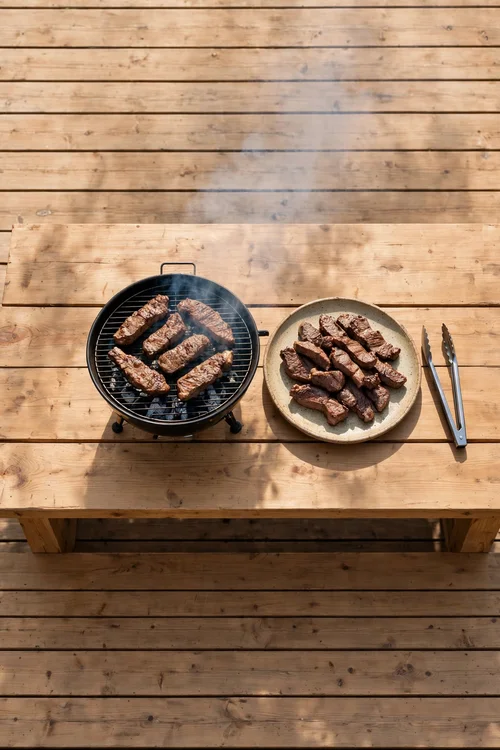
Charcoal asks for patience before it gives you glory: ten quiet minutes of coals settling saves the whole cook. Once the fire is right, the beef needs barely two minutes, and the smoke does the seasoning work that no bottled sauce can imitate at home.
Party Platter Economics
Cost: Low per guest, one big batch feeds eight easily
Time Needed: Two hours of marinade, ten minutes of grilling
Best For: Birthdays, game nights, and backyard gatherings
Pro Tip: Grill in waves so late guests still get hot beef
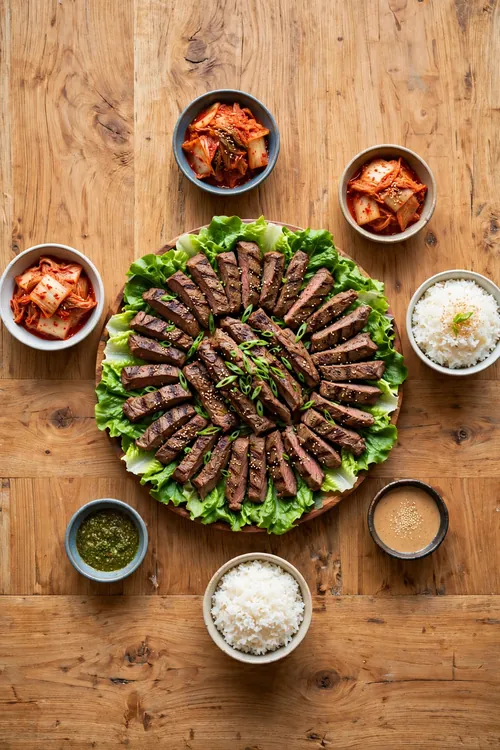
A party platter of this beef is the cheapest way I know to feed a crowd like royalty. The marinade scales without fuss, the grill work takes minutes, and guests build their own wraps, which means the cook actually gets to attend the party too.
Leftover Remix Ideas
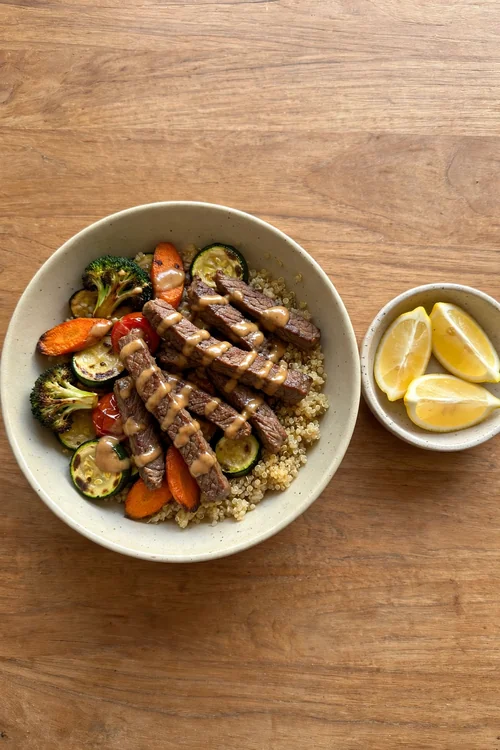
Leftovers of this dish are an ingredient, not an ending, because the marinade keeps working overnight in the fridge. The strips wake up deeper and sweeter, ready to be chopped, reheated, or folded through something new without ever tasting tired or reheated twice at all.
Chop the beef small and fold it through a grain bowl with roasted vegetables, quinoa, and a lemony drizzle. Or tuck it into quesadillas, fried rice, or a warm grain salad, anywhere a sweet and savory bite can easily carry the rest of the plate.
Plan for leftovers on purpose and tomorrow’s lunch is already handled tonight. I cook a deliberate double batch whenever the grill is lit, because a cook who plans the remix never stares into the fridge wondering what dinner could possibly be again by tomorrow night.
Conclusion
However you serve it, beef bulgogi rewards the cook who respects two things: a marinade with real balance and a fiercely hot pan. Master those, and every variation in this collection, from lettuce wraps to breakfast hash, lands with the same sweet char and tender bite that made the dish famous.
Save this list for the next time dinner needs rescuing, and start with the version that matches what is already in your fridge. I have watched hesitant first timers become regulars after one platter, so light the grill, warm the skillet, and let the first sizzle do the persuading tonight. For grill night, my beef kofta always delivers.