Why Is My Panna Cotta Rubbery? Easy Fix Guide
A plate of rubbery panna cotta bounces instead of trembling. The spoon meets resistance, the cream feels stiff, and the dessert loses its silk. The fix usually comes down to gelatin, heat, or chilling.
This guide walks through each fix in order, from blooming to chilling to serving. You need no special tools, just a little care and pantry staples. Most stiff desserts soften with one or two small changes. A gentle hand beats a heavy gelatin dose every time. Small fixes make a big difference here. For a rice pudding that turns thick instead, see the rice pudding fixes for a creamy soft spoon.
Why Panna Cotta Rubbers

Panna cotta turns rubbery for three main reasons: too much gelatin, boiling cream, and overchilling. Extra gelatin sets the cream stiff like jelly. Boiling tightens the gelatin, and a long freeze firms the dessert past silk.
The good news is that each cause has a simple fix. Once you see which one hit your dessert, you can correct it before serving. Think of panna cotta as gentle work, not a race. A few small changes make a big difference here. Your patience shows in every soft tremble. Trust the process here.
Measure Gelatin Right

Gelatin is the most common source of rubbery dessert, because a little extra goes a long way. One extra sheet can turn silk into bounce. Weighing or counting sheets fixes this problem in one move. Your scale is the cheapest dessert upgrade.
- Use the gelatin amount the recipe calls for, weighed not eyeballed.
- Count sheets carefully if the recipe uses sheets.
- Reduce gelatin by a quarter if your panna cotta set too firm last time.
- Keep notes so the next batch lands right.
Bloom Gelatin Fully
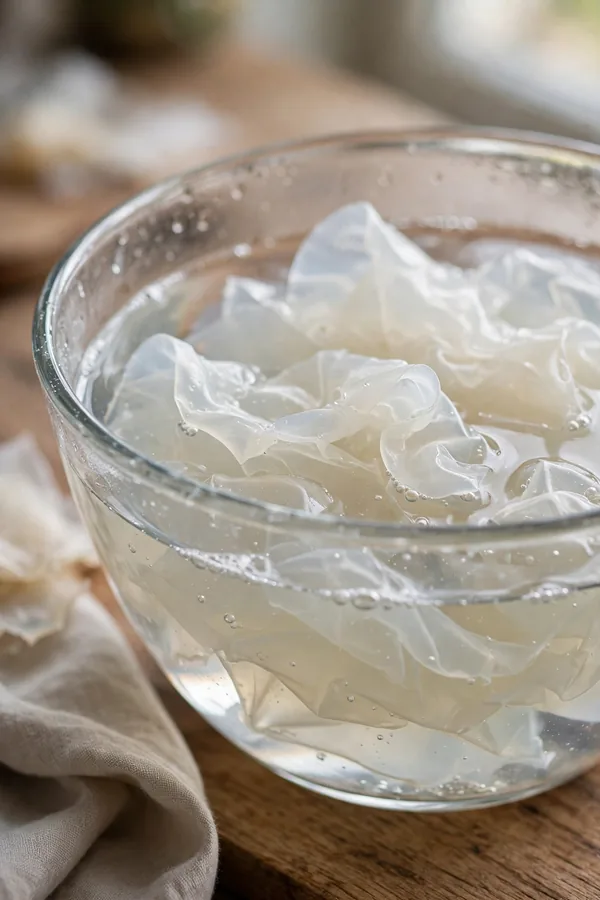
Quick Tip: Soak gelatin in cold water for five minutes before using it. The sheets soften evenly and melt smoothly into warm cream. Dry gelatin tossed into hot cream clumps and never sets right.
Squeeze the softened sheets gently to remove extra water, then stir them into warm, not boiling, cream. The gelatin should vanish without a trace. In my experience, a full bloom fixes more desserts than any recipe change. Give it the time it needs. Patience here is the whole secret.
Heat Cream Gently

Common Mistake: Many cooks boil the cream to melt the gelatin fast, then wonder why the dessert turns stiff. Boiling weakens gelatin unevenly and dulls the cream flavor.
The Fix: Warm the cream until it steams, then take it off the heat before adding gelatin. Gentle warmth melts gelatin fully without harming the set.
Stir the cream as it warms so it heats evenly. Never let it reach a rolling boil. A calm pace keeps the cream sweet and the gelatin strong. Watch the surface for the first wisps of steam. Pull the pot the moment steam appears. Trust the steam.
Use More Cream

What You Need:
- Heavy cream: two cups give the silkiest set.
- Milk: one cup lightens the texture.
- Sugar: a third of a cup sweetens gently.
- Vanilla: one teaspoon adds warm flavor.
- Gelatin: two teaspoons, bloomed in cold water.
More cream and less milk make a softer, richer set. A milk heavy mix sets firmer and tastes thinner. Keep the cream share high for a dessert that melts on the tongue. Balance cream and milk in every single batch. Trust the ratio here. Your spoon will thank you.
Chill, Do Not Freeze

Before: The cups went into the freezer to set fast, and the dessert turned icy and stiff. The texture bounced, the flavor dulled, and serving felt like a defeat.
After: The same cups chilled slowly in the fridge for four hours, and the panna cotta set silky and soft. The surface trembled, the spoon sank gently, and the dessert looked elegant.
Fridge chilling gives gelatin time to set evenly. Freezer chilling shocks it stiff and ruins the silk. Chill for at least four hours, and leave the cups undisturbed. A slow chill beats a fast freeze every time. Plan ahead and let the fridge work. Trust the slow chill.
Unmold Without Tearing

Do This:
- Dip the cup in hot water for five seconds.
- Run a thin knife around the edge once.
- Invert onto a cold plate in one smooth move.
- Serve at once so the shape holds.
Avoid This:
- Do not force the dessert out with a spoon.
- Do not leave the cup in hot water too long.
- Do not freeze the cups to speed unmolding.
- Do not unmold hours before serving.
A quick hot dip loosens the dessert without melting it. Work fast, since the shape softens quickly at room temperature. A cold plate helps the panna cotta hold its elegant form. Practice on one cup before the whole batch. Confidence comes with one clean release.
Gelatin Types Matter

Time Needed: About 15 minutes, plus 4 hours of chilling.
Difficulty: Beginner friendly with care.
Cost: Uses cream and gelatin you already own.
Best For: Dinner parties and make-ahead desserts.
Sheet gelatin melts cleaner than powder, while powder needs careful blooming to avoid clumps. Agar sets far firmer and suits vegan desserts, not classic panna cotta. Match the gelatin to the recipe and the texture follows. Read the packet before you start blooming. Small choices matter.
Serve It Silky

Serving matters more than most cooks expect. Panna cotta firms as it sits, so a dessert that trembles in the fridge can turn stiff on the table. Serve it chilled, but not ice cold.
Unmold just before serving and add toppings at the last moment. A spoonful of berries or caramel adds flavor without weighing the dessert down. A chilled plate keeps the panna cotta silky to the last spoonful. Your guests will notice the soft, trembling texture. Serve it with pride and a steady hand. Enjoy every silky spoonful.
Rescue Rubbery Dessert

Already chilled a rubbery dessert? Do not throw it out. A warm melt and reset can save most cups, and a few tricks make them worth serving. The rescue takes minutes and no special tools. Start with the simplest fix first.
- Melt the panna cotta gently in a pot on low heat.
- Stir in a splash of warm cream to loosen it.
- Pour into cups and chill again slowly.
- Serve with fruit so the texture matters less.
Next Dessert Checklist

Quick Tip: Keep this checklist near the fridge for your next dessert. A glance before cooking saves a rescue later. Soon the habits feel automatic, and every cup lands silky and soft.
Great panna cotta comes from habits, not luck. Measure the gelatin, bloom fully, heat gently, and chill slowly. Check the set early, adjust the next batch, and enjoy a dessert that trembles softly to the last spoonful. That is a dessert worth repeating. Your fridge will thank you.
Conclusion
Silky panna cotta comes from measured gelatin, gentle heat, and a slow chill. Fix those three habits and rubbery panna cotta becomes a rare mishap instead of the usual result. Start with bloomed gelatin, warm the cream gently, and chill slowly. Your next dessert should tremble softly, melt on the tongue, and taste rich to the last spoonful. If another dish puzzles you, read the runny custard fixes for smooth custard that sets. Keep this guide handy and cook with confidence every single time at the table. Your guests will notice the silky texture.