Why Do My Poached Eggs Fall Apart? Easy Fix Guide
Stringy poached eggs look messy on the plate. Wispy white trails drift through the water instead of wrapping the yolk. Fresh eggs and calm water fix most of it.
Older eggs have thin whites that spread in the pot. Boiling water shreds those whites further, while a gentle simmer lets them set in a neat shape. Fresh eggs hold together best, since the thick white clings to the yolk. A gentle simmer lets the whites set neatly.
This guide covers eggs, water, and timing in order. If sauces are next, the cornstarch slurry guide smooths out a lumpy thickener for glossy sauces.
Why Whites Go Stringy
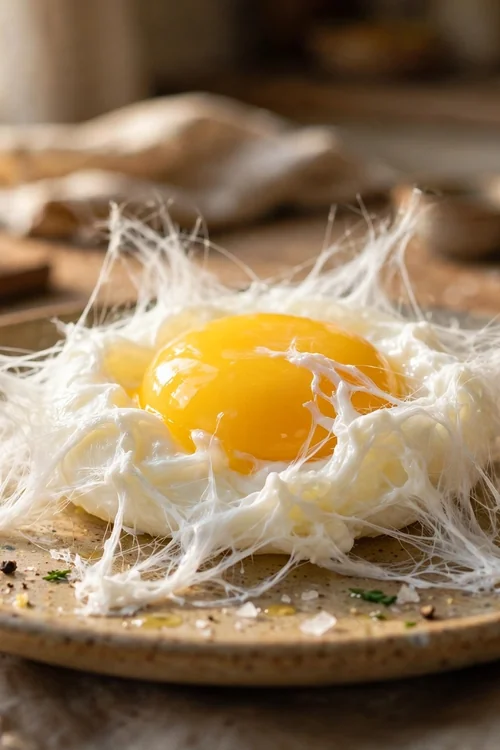
Poached eggs turn stringy when thin white separates from the yolk and cooks into wisps. Older eggs have more thin white, so they spread farther in the water. Rough, boiling water tears the white apart before it sets. Older whites turn watery and trail off in wisps, but fresh eggs hold a tight shape.
Cracking the egg straight into the pot makes it worse by dropping it from a height. In my experience, fresh eggs and a cup for lowering fix most stringy results. Crack each egg into a cup first and trim any watery white.
Use Very Fresh Eggs

Fresh eggs hold together best. The thick white clings to the yolk and sets into a neat oval. Check the date on the carton and use the freshest eggs you have. Check the date on the carton and use the freshest eggs for poaching. Save older eggs for scrambling.
- Buy eggs close to the day you poach them.
- Crack each egg into a small cup first.
- Tip off any very watery white before poaching.
- Poach one or two eggs at a time.
- Keep the rest refrigerated until their turn.
Simmer Water Gently

Quick Tip: Keep the water at a bare simmer with only a few lazy bubbles. A rolling boil shreds the whites. If the water looks lively, turn the heat down and wait a minute.
A wide pot gives each egg room without crowding. Crowded eggs bump into each other and tangle their whites together. Keep the water at a bare simmer with only a few bubbles rising. A rolling boil tears the whites apart before they can set. Turn the heat down if bubbles grow.
Add Vinegar Right

Common Mistake: Pouring in a lot of vinegar or skipping it entirely. Too much vinegar makes the eggs taste sharp, while none lets the whites drift.
The Fix: Add one tablespoon of vinegar per quart of water. That small amount helps the white set quickly without changing the flavor.
Lemon juice works in a pinch, but vinegar is milder and easier to measure. Rinse the finished eggs briefly if you notice any sharp taste. Add one tablespoon of vinegar per quart of water, no more. Too much vinegar flavors the eggs and never helps them set faster.
Use A Small Cup

What You Need:
- Fresh eggs: Thick whites hold their shape.
- Wide pot: Room keeps eggs from tangling.
- Small cups: A cup lowers each egg gently.
- Slotted spoon: A spoon lifts eggs without tearing.
- Vinegar: A tablespoon helps whites set fast.
Lower the cup to the water surface and tip the egg in slowly. A gentle entry keeps the white wrapped around the yolk. A small cup lets you lower the egg gently right at the water surface. Dropping from a height breaks the white apart before it sets.
Swirl Or Skip Swirl

Before: Older eggs dropped into boiling water spread into wispy trails. The yolks cooked bare while the whites drifted apart in shreds.
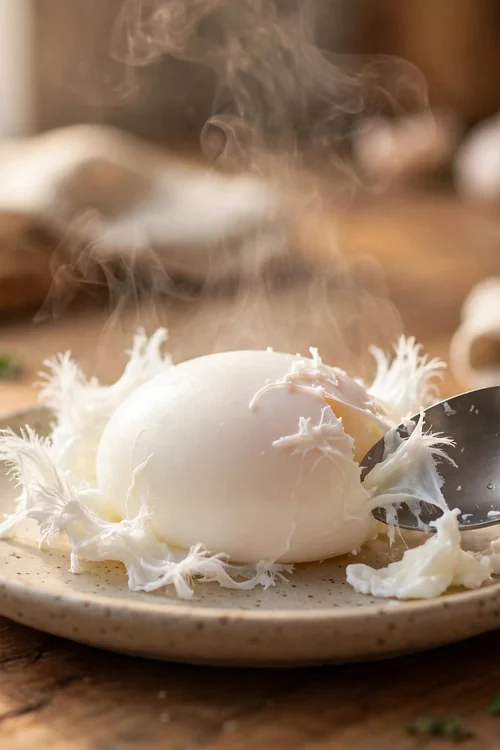
After: Fresh eggs lowered in a cup into barely simmering water set into neat ovals with runny yolks. The same pot gave a completely different result.
Calm water and fresh eggs do most of the work. The swirl is optional, and many cooks get neater eggs without it. A gentle swirl helps only if the water stays calm and barely simmering. Skip the swirl entirely if your eggs are very fresh.
Fix Wispy Whites
Do This:
- Use the freshest eggs you have.
- Keep the water at a bare simmer.
- Lower eggs in a cup.
- Trim wispy edges after cooking.
Avoid This:
- Do not use boiling water.
- Do not drop eggs from a height.
- Do not crowd the pot.
- Do not stir once the eggs are in.
Trimming is a normal finishing step in restaurants. A small spoon pass around each egg leaves a clean oval shape. Trim wispy edges with a spoon after lifting the egg from the water. A neat shape looks better on toast and holds warm sauce nicely.
Rescue Broken Yolks
Time Needed: About 3 to 4 minutes per egg.
Difficulty: Easy, with fresh eggs.
Cost: Low, eggs and vinegar.
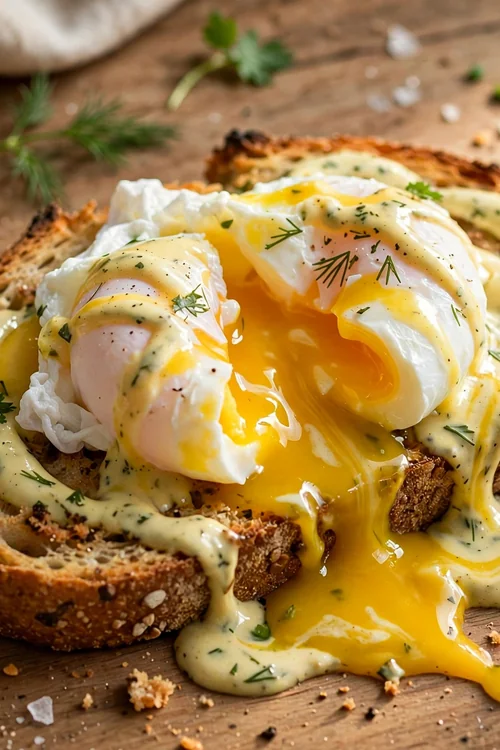
Best For: Eggs Benedict and toast.
Set a timer for three minutes and check the white. It should feel firm while the yolk still wobbles gently under the surface. Broken yolks still taste good folded into fried rice or soup. Keep a spare egg handy so one break never ruins breakfast.
Time Eggs Well

If the white still drifts, strain each cracked egg through a fine sieve before poaching. The sieve catches the watery white that causes wisps, leaving only the thick white that holds together. Set a timer for three minutes and lift the egg with a slotted spoon. The white should feel firm while the yolk still gives gently.
For eggs already in the pot, leave them alone. Stirring tangles the whites further. Lift them out gently and trim the wisps after draining. Drain the egg on a clean towel so no water reaches the toast.
Drain And Serve

Broken yolks usually come from rough cracking or old eggs. Crack on a flat surface, not a sharp edge, and open the shell gently into a cup. Drain each egg well on a towel before plating, since stray water softens the toast. Season with salt and pepper at the table.
- Crack on a flat counter, not a bowl rim.
- Open the shell slowly into a cup.
- Check for shell pieces before poaching.
- Lower the cup to the water surface.
- Tip the egg in with one smooth motion.
Plan Better Brunches

Quick Tip: Drain each egg on a clean towel for a few seconds before plating. Draining removes surface water so toast stays crisp and sauce stays put. Serve right away while the yolk is runny.
For a crowd, poach eggs ahead and hold them in cool water, then warm them for 30 seconds in hot water before serving. The yolks stay runny and the timing gets easy. Poach eggs to order when you can, since they wait badly. Keep toast warm and plates ready so brunch lands together.
Conclusion
Stringy poached eggs come down to freshness and calm water. Use fresh eggs, keep the water at a bare simmer, add a little vinegar, and lower each egg in a cup. Those habits give neat whites and runny yolks. For another breakfast rescue, the broken omelette guide folds omelettes without tearing.
Strain the egg through a sieve if the whites still drift, and trim any wisps after draining. A calm pot and fresh eggs do most of the work. With those habits, every plate will carry a neat oval with a runny yolk.