Why Does My Omelette Break When Folding? Easy Fix Guide
A broken omelette is a frustrating breakfast. The eggs stick, tear, or overcook before you can fold them. Gentle heat and a good pan fix most of it.
Eggs set fast and tighten quickly, so high heat and a sticky pan leave no room for error. A nonstick pan, low heat, and a calm hand give you time to fold. A thin egg layer and a light filling fold cleanly almost every time. Keep the heat low and work calmly.
This guide covers whisking, cooking, and folding in order. If eggs for poaching are next, this poached eggs guide keeps whites tidy.
Why Omelettes Break
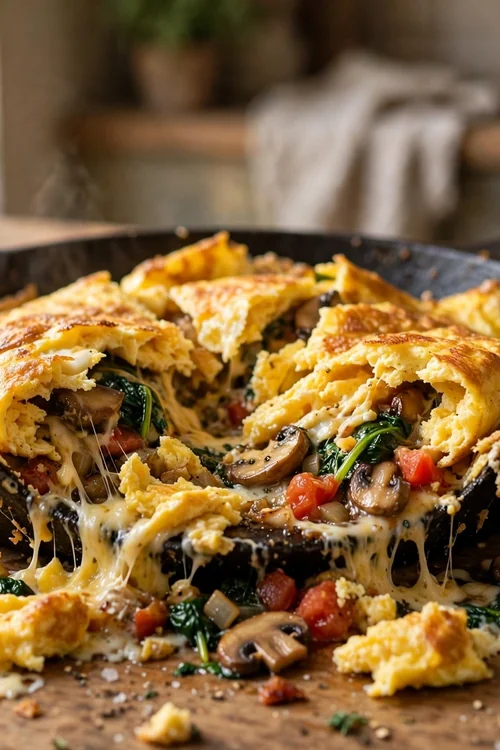
Omelettes break when the eggs stick, overcook, or get folded before they set. A dry pan tears the surface, and a rushed fold cracks a stiff sheet of egg. Both problems come from heat and timing. Too much filling or a cold pan both split the eggs. Keep the filling light and the pan warm.
Too much filling also splits the fold by weight. In my experience, a thin egg layer and a light filling fold cleanly almost every time. Gentle heat and a quick hand keep the eggs soft and foldable.
Pick The Right Pan

A smooth nonstick pan or a well seasoned cast iron pan makes folding easy. The pan should be just big enough for two or three eggs, so the layer stays thin and even. A nonstick pan with sloped sides lets the eggs slide and fold cleanly.
- Choose an 8 inch nonstick pan for two eggs.
- Warm the pan before adding butter.
- Use enough butter to coat the whole surface.
- Check that the butter foams but does not brown.
- Pour the eggs into the center of the pan.
Whisk Eggs Well

Quick Tip: Whisk eggs with a splash of milk or water until the yolks and whites blend fully. Streaks of white cook into rubbery patches that crack. A smooth mix cooks evenly and folds softly.
Season with a pinch of salt before cooking. Salt relaxes the egg proteins slightly and gives a more tender result. Whisk until the yolks and whites blend fully with no streaks left. A splash of milk or cream keeps the eggs tender as they cook.
Use Gentle Heat

Common Mistake: Cooking on high heat so the eggs set in seconds. The bottom browns and stiffens while the top stays raw, and the fold tears the moment you try it.
The Fix: Cook over medium low heat and keep the eggs moving at first. Soft curds form slowly, then settle into a tender sheet that folds without cracking.
Pull the pan off the heat while the top still looks slightly wet. Residual heat finishes the eggs in the fold, and the center stays soft. Low heat gives you time to stir, set, and fold without rushing. Pull the pan off the heat while the top still looks slightly soft.
Stir Then Set

What You Need:
- Nonstick pan: A smooth surface releases eggs cleanly.
- Rubber spatula: A soft spatula stirs without scratching.
- Whisk or fork: Thorough whisking blends yolks and whites.
- Butter: Butter adds flavor and prevents sticking.
- Warm plate: A warm plate keeps the eggs soft after serving.
A rubber spatula is the right tool here. A metal spatula can scratch the pan and tear the delicate egg sheet. Stir the eggs gently until they start to set, then stop and let the bottom firm up. A short rest off the heat finishes the center.
Fold With Care
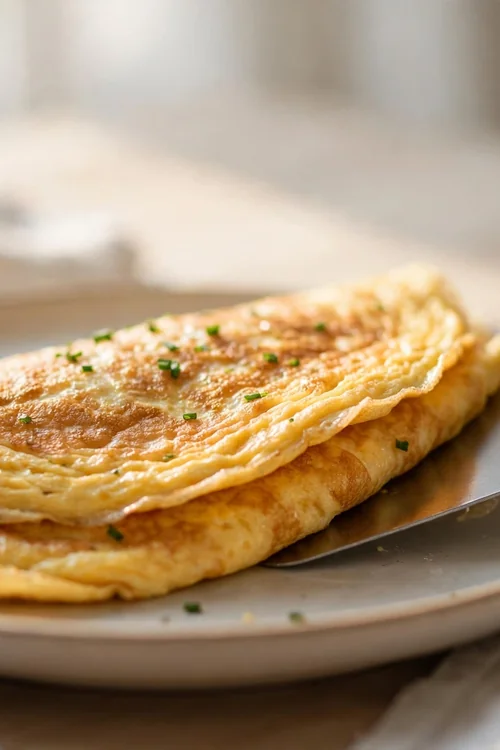
Before: Eggs hit a hot, dry pan and set into a stiff, browned sheet. The fold cracked, the filling spilled, and the plate looked like scrambled eggs.
After: Eggs cooked low in a buttered pan formed soft curds, then settled into a tender sheet. One calm fold gave a smooth, golden omelette.
Low heat is the whole difference. It gives you time to stir, settle, and fold without rushing. Fold with a spatula in one smooth motion, then slide the omelette onto a warm plate. A gentle fold keeps the filling inside and the top smooth. Serve right away.
Fix Torn Eggs

Do This:
- Cook over medium low heat.
- Stir gently until soft curds form.
- Let the eggs settle into a sheet.
- Fold once and slide onto a plate.
Avoid This:
- Do not use high heat.
- Do not fold before the eggs set.
- Do not overload with filling.
- Do not leave the omelette in the hot pan.
Fillings go on one half only, and a small handful is plenty. Heavy fillings pull the fold apart and trap steam that makes the eggs tough. Torn eggs still taste good folded over filling and served as a scramble. Cover the tear with cheese or herbs and no one will notice.
Rescue Dry Omelettes

Time Needed: About 5 minutes from whisk to plate.
Difficulty: Easy, with practice.
Cost: Low, eggs and butter.
Best For: Quick breakfasts and brunch.
Practice with plain eggs first. Once the fold feels natural, add cheese and vegetables without changing the timing. A spoonful of sauce or a pat of butter softens dry eggs fast. Serve with toast and a fresh salad so the plate still feels balanced. Eat it hot.
Add Fillings Lightly

If the omelette tears, fold the torn edge under and finish it as a folded egg. A little cheese melted on top hides the seam, and the flavor stays the same. Nobody needs to know it was a rescue. Keep fillings to a small handful so the eggs fold without tearing.
For a bad tear, turn the whole thing into soft scrambled eggs. Stir gently over low heat, add cheese, and serve on toast. A tasty plate beats a perfect shape. Warm the filling first so cold cheese never cools the eggs.
Serve Right Away

Dry omelettes come from cooking too long. The eggs keep firming after they leave the pan, so an omelette that looks done in the pan is overdone on the plate. Plate the omelette the moment it leaves the pan, since eggs wait for no one. Warm plates keep it soft.
- Pull the pan when the top still looks glossy.
- Fold quickly and slide onto a plate.
- Rest for 30 seconds, no longer.
- Add a small knob of butter on top.
- Serve right away while the center is soft.
Plan Better Breakfasts

Quick Tip: Warm fillings before they go in. Cold cheese and vegetables cool the eggs and make the fold stiff. Warm fillings melt fast and keep the eggs tender.
Serve omelettes the moment they leave the pan. Eggs wait for no one, and a two minute delay turns a soft center firm. Crack the eggs ahead and whisk them just before cooking, since whisked eggs dry out if they sit. Prep the filling first so everything moves fast.
Conclusion
A broken omelette comes down to heat, pan, and patience. Cook low in a buttered nonstick pan, stir until soft curds form, and fold once while the top is still glossy. Those habits give a soft, golden result. For another egg rescue, this hash browns guide crisps up breakfast potatoes for a better morning.
Practice with plain eggs first, then add cheese and vegetables once the fold feels natural. Warm the fillings so the eggs stay tender. A calm hand and gentle heat will give a soft, golden result every single morning.